



Top-rated bird control service pros.

Get matched with top bird control service pros in South Fork, CO

Enter your zip and get matched with up to 5 pros

Need a pro for your bird control service project in South Fork, CO?

Select your specific project to find the pro for you.

Find Bird control service pros in South Fork

Bird Control questions, answered by experts

It can be difficult to know what type of animal is in your attic until you see it. But several clues can help you narrow down the suspects:

  • Sounds: Smaller animals like rats and mice make scurrying and tapping/gnawing sounds. Larger animals like raccoons and opossums make louder clambering noises. Also, note when animals are noisy: Squirrels are active during the day, while rats are busiest at night.

  • Droppings: Rats and mice leave small, rice-shaped droppings (the rat’s version is significantly larger). Bigger droppings belong to larger critters like raccoons. As long as you’re not squeamish, an image search can help you identify what you’re seeing in your attic.

When in doubt, take photos of damage or other evidence and show them to an experienced pest control pro.

Hawks might seem like fearless predators, but these smart birds do know what other animals to be cautious around. Hawks are naturally wary of humans and predators that see them or their eggs as a potential meal or threat. This list includes owls, crows, eagles, and even snakes or raccoons.

Animal removal specialists specialize in removing critters and wildlife from in and around your home. These include:

  • Bats

  • Birds

  • Groundhogs

  • Moles and voles

  • Opossums

  • Mice and rats

  • Raccoons

  • Skunks

  • Squirrels

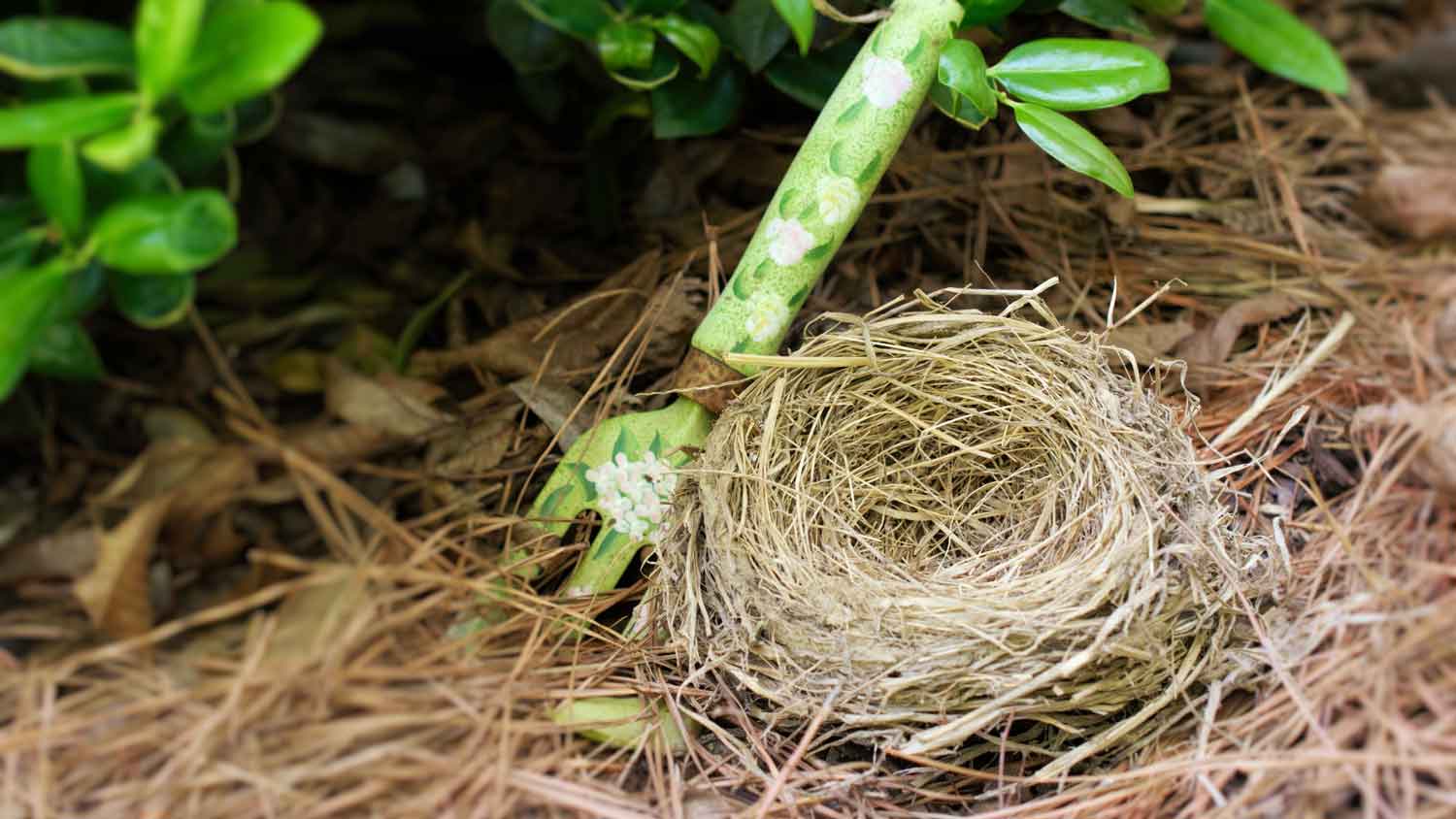
The specialist's method to remove these critters will depend on the animal. For example, groundhogs will be live-trapped and relocated, whereas, for birds, the expert will remove and discard the inactive nest and sanitize the area. 

Numerous predators kill hornets, including frogs, birds, lizards, bats, spiders, and hedgehogs. Some larger predators, including rats, skunks, and racoons, will occasionally attack a hornet nest in order to eat the larvae inside. These natural predators typically don’t eat enough hornets to make them an effective form of hornet control. 

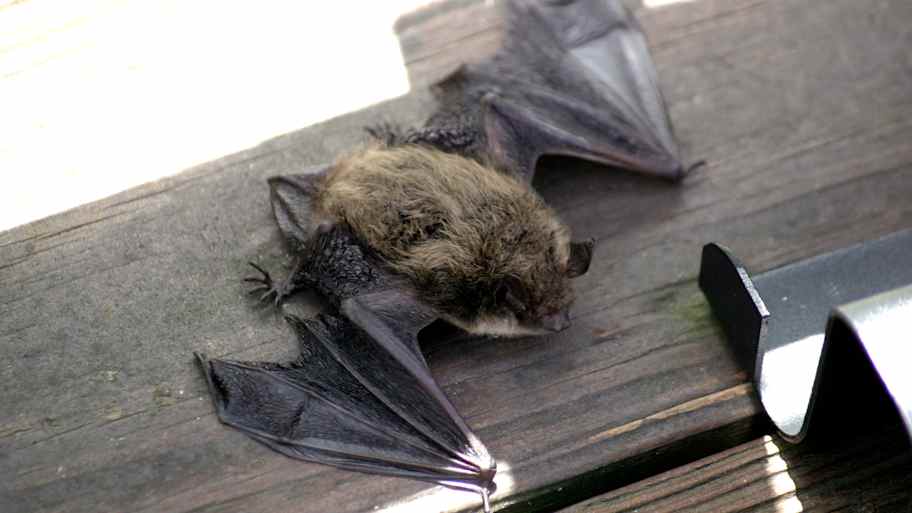
If you’ve had a prior bat infestation or simply want to avoid having bats invade your home in the first place, there are a few steps you can take without the need for a pro. 

  • Seal entry points, such as where your chimney meets your house, or other gaps or holes exist.

  • Use bat deterrents like bright lights or ultrasonic devices to force them away from your home. 

  • Reduce bat attractions like standing water and bird nectar feeders inviting bats into your yard.

The South Fork, CO homeowners’ guide to bird control services

From average costs to expert advice, get all the answers you need to get your job done.