




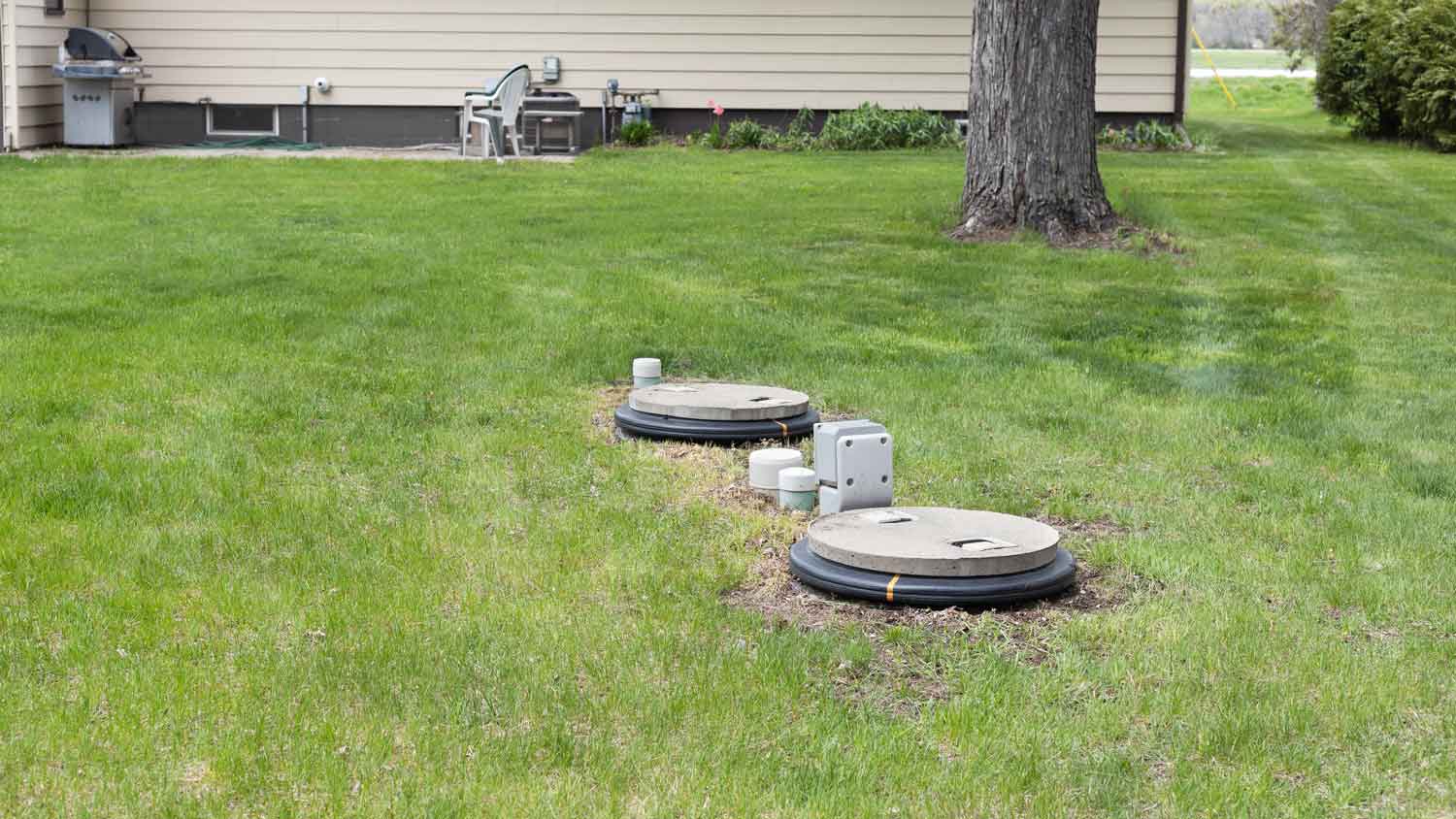
Top-rated percolation testing pros.

Get matched with top percolation testing pros in Palisade, CO

Enter your zip and get matched with up to 5 pros

Need a pro for your percolation testing project in Palisade, CO?

Select your specific project to find the pro for you.

TRUSTED BY PALISADE, CO HOMEOWNERS

  • Average homeowner rating star icon4.3
    Average homeowner rating
  • Verified reviews icon527
    Verified percolation testing services reviews

Find Percolation testing pros in Palisade

No results for Percolation testing pro in

Try adjusting your search criteria.
Percolation Tests questions, answered by experts

Unlike some home problems, such as water damage or pest infestations, asbestos can be very difficult to spot. Asbestos is a mineral in the form of microscopic fibers and was previously used in building materials for its bonding and fireproofing abilities. Insulation, roof shingles, ceiling tiles, floor tiles, pipe wrappings, soundproofing materials, and textured paint features like popcorn ceilings are common sources of asbestos, particularly in homes built before 1980.

Age is perhaps the biggest indicator of asbestos, as legislation passed in the 1970s labeled asbestos as dangerous and regulated its use in building materials. Signs of age in the form of wear and tear or material degradation are also indicators that asbestos fibers may be leaking into the air, but ultimately, it’s difficult to detect with the naked eye. If you have reason to suspect asbestos in your home, it’s best to hire a certified asbestos inspector.

If you have an older electrical system with fraying wires and other signs of damage, removal  may be the best course of action. When asbestos begins to break down, it's more likely to become airborne, increasing the risk of health issues when it's inhaled.

However, if the system is in good condition and doesn't have visible signs of wear or damage, leaving it alone may be the safest course of action. An asbestos abatement and removal professional can help you determine the best way to proceed.

No, you do not have to worry about new popcorn ceilings having asbestos. All residential building materials used since the mid-1980s stopped including asbestos, so new popcorn ceilings have no risk of asbestos. You can still create a textured drywall ceiling with a popcorn texture if you like, but new techniques have no risk of adding asbestos. 

Asbestos testing is conducted by collecting samples from materials suspected to contain asbestos and analyzing them in laboratories for confirmed presence.

Even a single, one-time exposure to asbestos can be harmful and pose health risks. According to the EPA, any contact can increase the risk of developing asbestos-related diseases and certain types of cancer, although the likelihood of severe health issues increases with repeated or prolonged exposure.

The severity of a single exposure depends on factors like the duration, intensity, and concentration of the asbestos fibers. While a small amount is less likely to cause significant damage, a high concentration can lead to serious long-term lung damage. Individual reactions vary, and asbestos-related illnesses may not appear for 10 to 40 years after inhalation.

Given these risks, always take precautions around any material suspected to contain asbestos. Personal protective equipment (PPE) may not be completely effective. If you suspect asbestos is in your home, hire a professional for testing and removal. If you are worried about a potential exposure, consult your doctor.

The Palisade, CO homeowners’ guide to percolation testing services

From average costs to expert advice, get all the answers you need to get your job done.