






Top-rated snow removal pros.

Get matched with top snow removal pros in Keystone, CO

Enter your zip and get matched with up to 5 pros

Need a pro for your snow removal project in Keystone, CO?

Select your specific project to find the pro for you.

TRUSTED BY KEYSTONE, CO HOMEOWNERS

  • Average homeowner rating star icon4.4
    Average homeowner rating
  • Verified reviews icon48
    Verified snow removal services reviews

Find Snow removal pros in Keystone

Avatar for A&M Roofing
A&M Roofing
4.3(
6
)
Snow Removal

Serving Keystone, CO and surrounding areas

Approved

In business since 2020

Free estimates

Credit card accepted

At A&M Roofing. we pride our company on reliability, communication, integrity, and quality work. We are experts in our trade and will do our best to keep you as educated as we can on your particular project. We look forward to earning your business!

Response time1 day
14 neighbors recently requested a quote

Showing 1-10 of 44
Snow Removal questions, answered by experts

The average cost for a single snow removal service is around $85, but can range from $40 to $200. For excessive snowfall, the price could be $500 or more, as single services are often based on the amount of snow, with every six inches adding to the total. For ongoing service, an annual snow removal contract typically costs between $200 and $600 for the season. In many cases, an annual contract is more affordable than paying per visit. The final cost is heavily influenced by your location, the amount of snowfall your area receives, property size, seasonal demand, expected response time, and any extra services like clearing a sidewalk.

Ice dam removal costs anywhere from $650 to $2,000, with most people paying about $1,200 for this service. The price you pay will depend on a few factors, including the removal method. If your pro uses salt or tablets to get rid of the ice dams, you might only pay $200 to $300. But if they use steam, your costs could increase to $800 to $1,200.

When temperatures drop far enough, even rock salt can’t melt the ice. The briny solution freezes before it develops, and the salt doesn’t work, which happens around 10 to 15 degrees Fahrenheit. Keep in mind that wind chill and other factors impact ice-melting progress. Some ice melters, like magnesium chloride, work at colder temperatures and work better for deep winter freezes.

Both rock salt and ice melt are naturally occurring salts. Rock salt is sodium chloride, which is the same as table salt. Ice melt products can be made from a combination of salts like magnesium chloride and calcium chloride or can be those salts alone.

Rock salt comes in large crystals, so it helps provide traction on icy surfaces, whereas ice melt products need to be mixed with sand to provide traction. Ice melt products work at lower temperatures than rock salt, so they might be a better choice if you have a harsh winter climate.

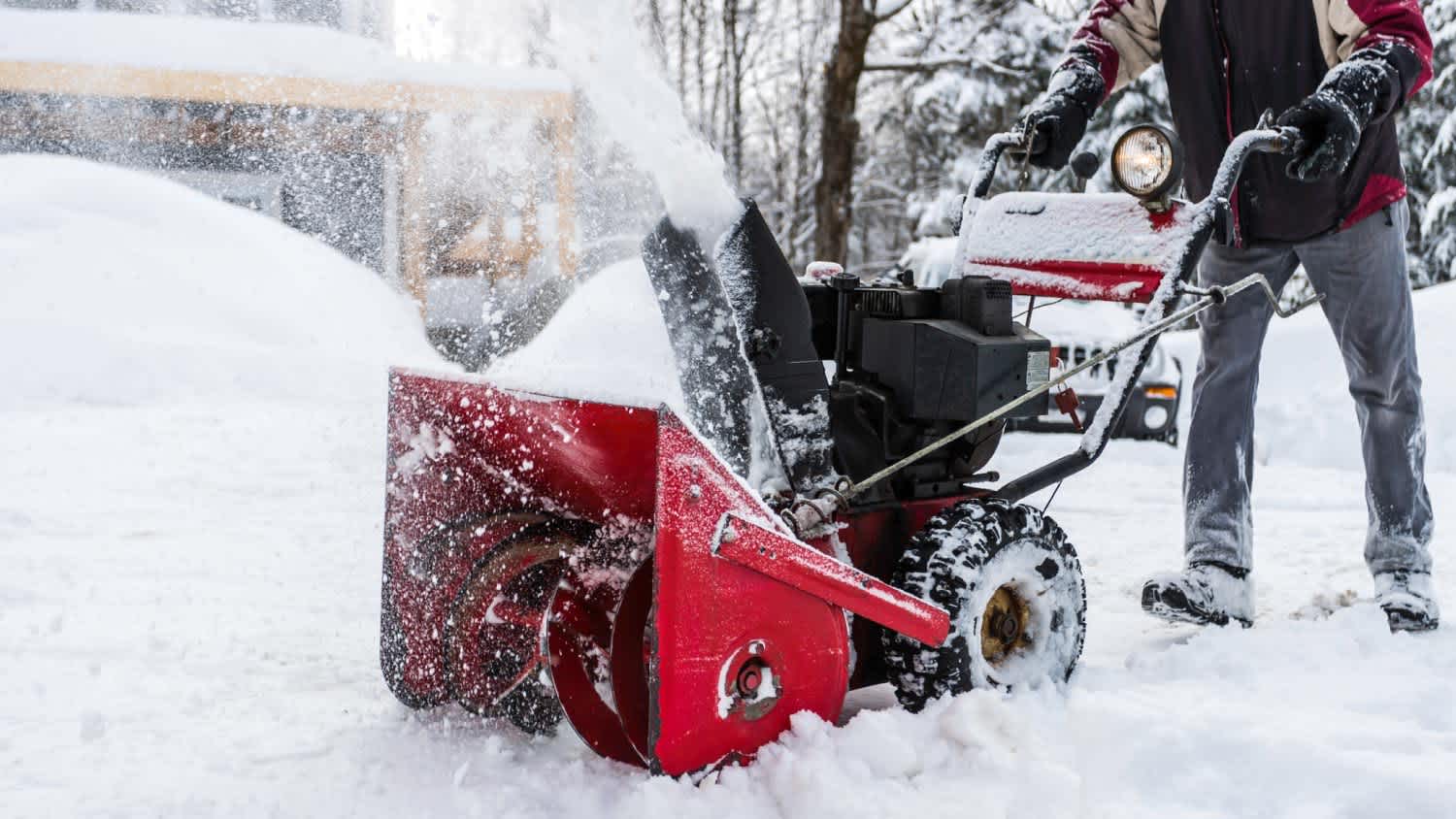
When starting the engine, you typically leave the choke on a snowblower in the "choke" or "closed" position. After starting, let the engine run for a few minutes to warm up. Then, gradually open the choke, moving it to the "open" or "run" position, allowing more air into the engine and transitioning to a normal fuel-air mixture. The exact duration varies based on the snowblower model and ambient temperature, but as a general rule, you should open the choke once the engine has stabilized and runs smoothly, typically within a few minutes.

The Keystone, CO homeowners’ guide to snow removal services

From average costs to expert advice, get all the answers you need to get your job done.