








Top-rated aquarium service pros.

Best aquarium service pros near Dillon, CO

Enter your zip and get matched with up to 5 pros

Need a pro for your aquarium service project in Dillon, CO?

Select your specific project to find the pro for you.

TRUSTED BY DILLON, CO HOMEOWNERS

  • Average homeowner rating star icon4.4
    Average homeowner rating
  • Verified reviews icon92
    Verified aquarium services reviews

Top-Rated Aquarium service pros in Dillon - Updated Nov 2026

Avatar for Krenger Construction
Krenger Construction
5.0(
6
)
Water Feature - Install a Pond

Serving Dillon, CO and surrounding areas

Approved

In business since 2022

Free estimates

Emergency services offered

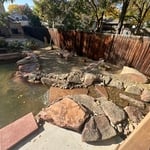
"I cannot recommend Ricky with Krenger Construction high enough for the outlandscaping work done. From start to finish, his professionalism, expertise, an attention to details exceeded all of our expectations. The water feature has become the centerpiece of our backyard. His knowledge of proper drainage, pump systems and stone placement is extensive. The deck work is phenomenal. We now have a beautiful deck that everyone enjoys. The compliments on our deck and yard are overwhelming! Ricky had excellent communication with us throughout the entire project. If you're looking for a landscaping company that has technical expertise and creative flair this is the one!"
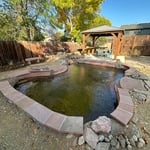
Fountains Project
Fountains Project
Fountains Project
Additional Photos
Additional Photos

+51

Response time6 days
Recommended by100%of homeowners

Aquarium Services FAQs, answered by experts

The average cost to pump a septic tank is around $550, though prices can range from $250 to over $1,250. The final cost depends on several factors, including the size of your tank, how full it is, and your geographic location. For example, pumping a small tank might cost between $290 and $530, while a larger 1,750-gallon tank could cost $600 or more. Prices also vary by region; for instance, costs in Minneapolis range from $175 to $275, while in Portland, they can be between $440 and $750. Regular pumping is essential to prevent waste buildup, which can lead to backups and damage to your drain field.

Pumping involves opening the tank lid, removing solids and wastewater, and inspecting components for wear or damage to maintain optimal function.

Recognizing signs of a failing septic system is crucial to prevent costly damage and health hazards. Foul odors in and around your home, slow drainage in sinks and toilets, or gurgling noises in plumbing fixtures can indicate problems with drainage. Lush, green patches of grass near the drain field or wastewater pooling on the ground are alarming signs that may indicate a leak in the system. If you notice any of these symptoms, it's vital to address them promptly to avoid more extensive and expensive issues.

The easiest thing you can do to prolong the life of your septic system is to adopt septic-safe practices. This includes not flushing non-biodegradable items, chemicals, or excessive grease down drains and scheduling regular septic tank pumping to prevent buildup. It’s also important to fix plumbing leaks promptly and to practice water conservation to avoid overloading the system. To maintain your drain field, avoid heavy vehicle traffic and plant shallow-rooted vegetation in the area. Most importantly, invest in routine inspections and maintenance to detect and address issues early.

To break down fat in a septic tank, you will need to hire a professional septic tank cleaner near you to either pump the septic tank or use a shock treatment to clear the clog. It’s important to not pour fat, oil, or grease (memorable with the helpful acronym FOG) down your drains because they can clog the septic system. Instead, you can dispose of them with regular trash, or if your household produces a lot of FOG waste, you may want to install a grease trap for your plumbing.

The Dillon, CO homeowners’ guide to aquarium services

From average costs to expert advice, get all the answers you need to get your job done.