




Top-rated basement waterproofing pros.

Get matched with top basement waterproofing pros in Craig, CO

Enter your zip and get matched with up to 5 pros

Need a pro for your basement waterproofing project in Craig, CO?

Select your specific project to find the pro for you.

Find Basement waterproofing pros in Craig

Avatar for Aspen Foundation Repair LLC
Aspen Foundation Repair LLC
4.4(
11
)
Foundation, Basement or Crawlspace - Waterproofing / EncapsulationBasement Drainage Channels - InstallBasement Drainage Channels - Repair

Serving Craig, CO and surrounding areas

Approved

In business since 2015

Free estimates

Warranties offered

"The owner (Michel Bervaldi) was very informative and forthcoming re the project. Unfortunately, financial priorities did not allow us to follow though without the project. We did speak with other contractors and Michel would have been our first choice if we were to proceed as originally planned."
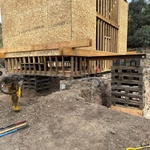
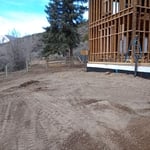
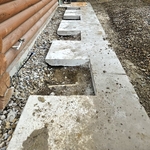
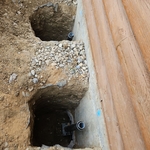
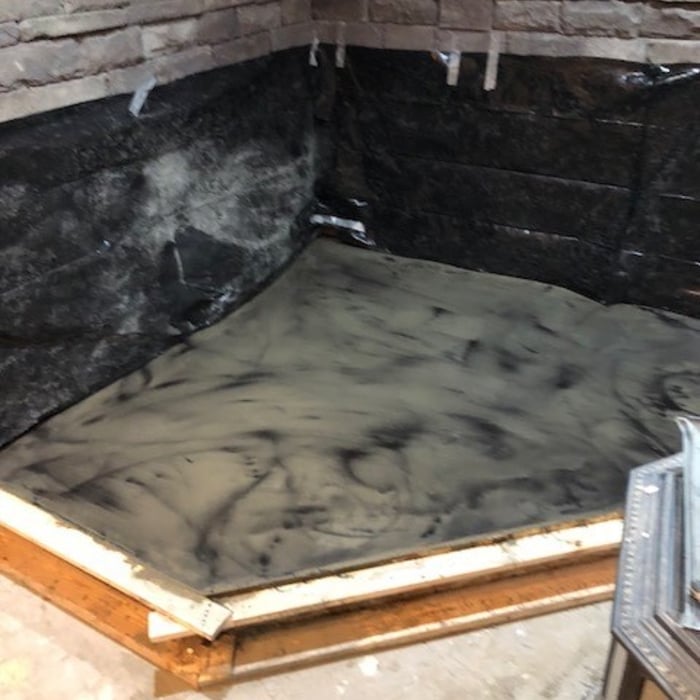
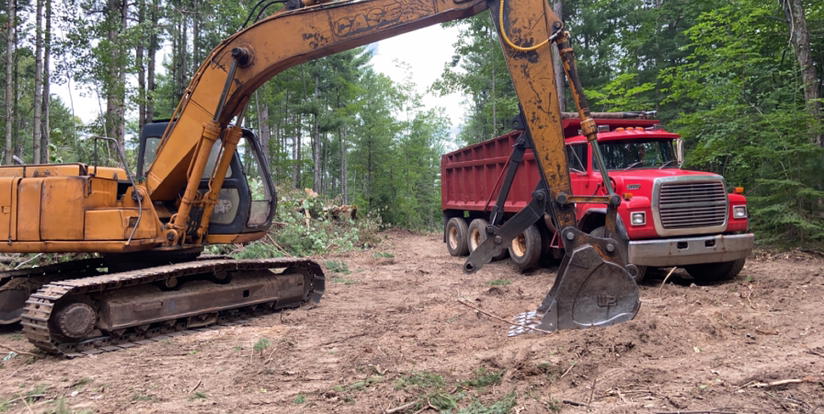
Before Photo
After
Preparing Area
Foundation Piering
Project Completion

+4

Response time2 days
8 neighbors recently requested a quote
Recommended by37%of homeowners
Showing 1-10 of 14
Basement Waterproofing questions, answered by experts

Encapsulation can take the place of crawl space vents since it protects the area from moisture and air all year round. Determining whether you should open or close crawl space vents can be complicated since it often depends on the weather and humidity. Skip this step by investing in crawl space encapsulation whenever possible.

The primary downside to crawl space encapsulation is the high cost, which can be several thousand dollars. Additionally, the process can make future repairs more complicated by limiting access to plumbing and electrical wiring within the crawl space. Encapsulation also requires sealing off any vents, which can be a disadvantage for home designs that benefit from the airflow they provide. It's recommended to consult with a crawl space contractor to determine if the benefits outweigh these potential drawbacks for your specific home.

While a standard gutter system is widely considered the most effective way to prevent water damage to your home's foundation, several alternatives are available. These options can be used on their own in certain climates or as supplementary protection.

Common alternatives include:

  • Rain Chains: These are decorative chains that hang from the roof's edge, guiding rainwater to the ground.

  • Drip Edges: These metal strips are installed at the edge of the roof to direct water away from the fascia. While often used with gutters, they can be paired with a ground-level solution but are typically not sufficient on their own.

  • Rain Dispersal Systems: These systems work by breaking up the heavy sheet of water flowing off the roof, dispersing it over a wider area.

  • French Drains: This ground-level system uses a perforated pipe in a gravel-filled trench to collect and redirect water runoff away from the house.

  • Drip Paths: Placed directly below the roofline, these paths made of concrete, stone, or other materials prevent soil erosion and guide water away.

It's important to note that some alternatives like rain chains and dispersal systems may not be adequate in regions with heavy rainfall because they don't divert water away from the foundation as effectively as a full gutter system. Ground-based solutions like French drains can be very effective but are often more expensive and can affect your landscaping and curb appeal. Many experts recommend installing a full gutter system for maximum protection and using alternatives as supplementary measures.

Having a trusted crawl space contractor is the key to great encapsulation. If you're not sure how to hire a crawl space pro, begin by asking your neighbors for referrals. Homes in your neighborhood will often have a similar foundation to your house, and personal recommendations are one of the best ways to find a contractor. Additionally, double-check that the contractor has experience with encapsulation as well as proof of their license and insurance.

It’s not the number of weep holes that should be of concern to builders but rather their spacing. Weep holes are usually spaced anywhere between 16 inches on center when using round tubes or wicking materials and 24 inches on center when using open-head joints. This is a more conservative spacing than the 33-inch maximum spacing on center that’s mentioned in the International Residential Code. All in all, the total number of weep holes a brick exterior should have will depend on the size of the structure.

The Craig, CO homeowners’ guide to basement waterproofing services

From average costs to expert advice, get all the answers you need to get your job done.