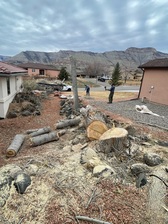
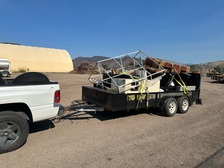
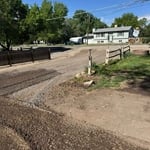
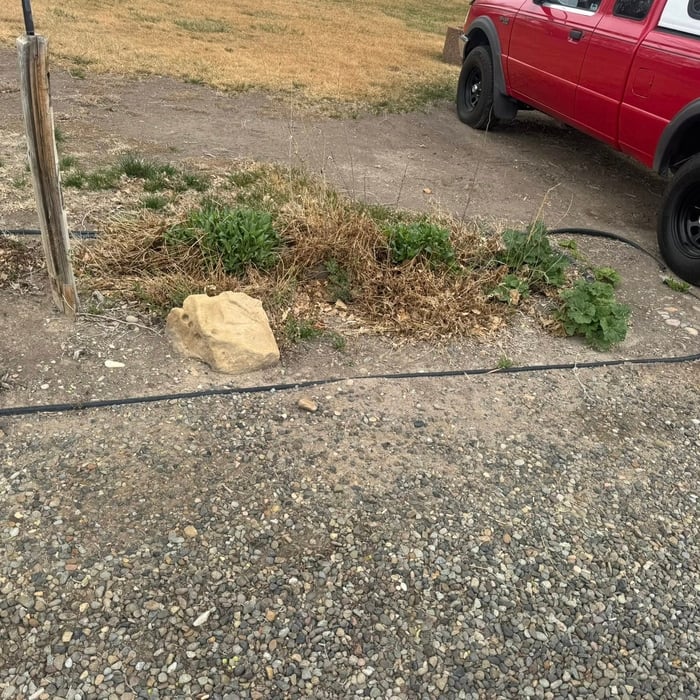
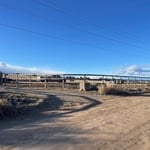
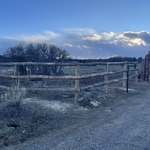
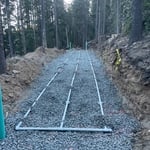
"They were tireless in their efforts and removed the stump with shovels, and 2 bushes and carted it all away. While here. They offered to come back and remove a defunct sprinkler from the property. I had co dude CR in them and will use them again."
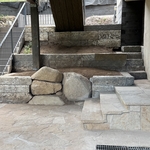
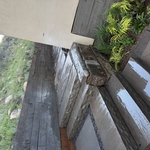
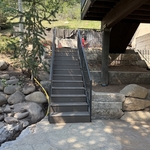
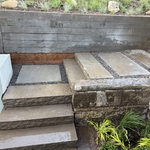
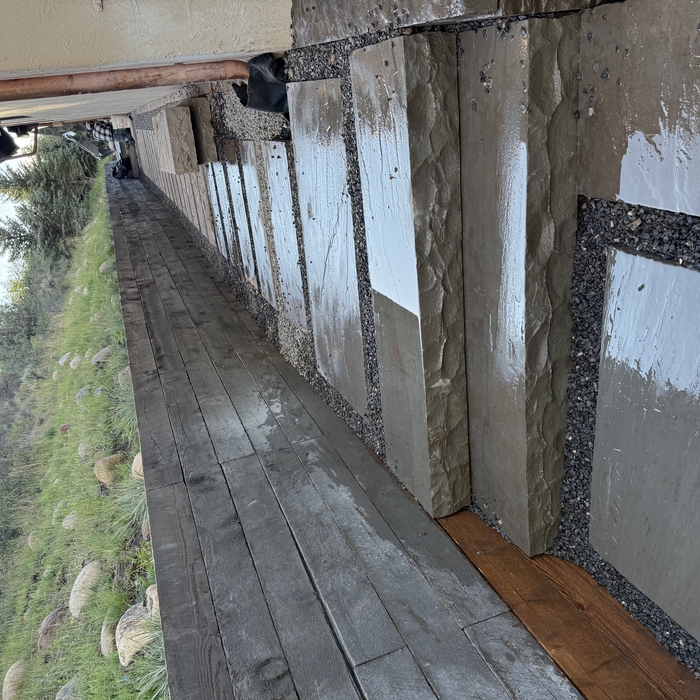
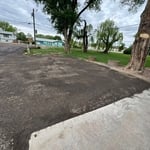
"They showed up on time, did a beautiful job on my walkway…replaced my sprinkler heads, moved shrubs for me and they are currently working on weeding."
"TJ Irrigation was an excellent choice. The crew was professional at all times. They were quick, on time, and worked hard. They moved 10 sprinkler heads in a little more than 9 hours. The job was charged to time and materials and that was the right way to go. Saved me money."
"These guys care about the quality of their work. Very polite and went out of their way to accommodate us. They work hard and put in more than a full day."
"Yuni has a great attitude and is very helpful. He helped us with more than painting. He helped us demo a tub and countertops. He also helped us lay some slate tile. He was on time, his crews worked hard, and he followed through on everything he promised. We recommend Yuni!"
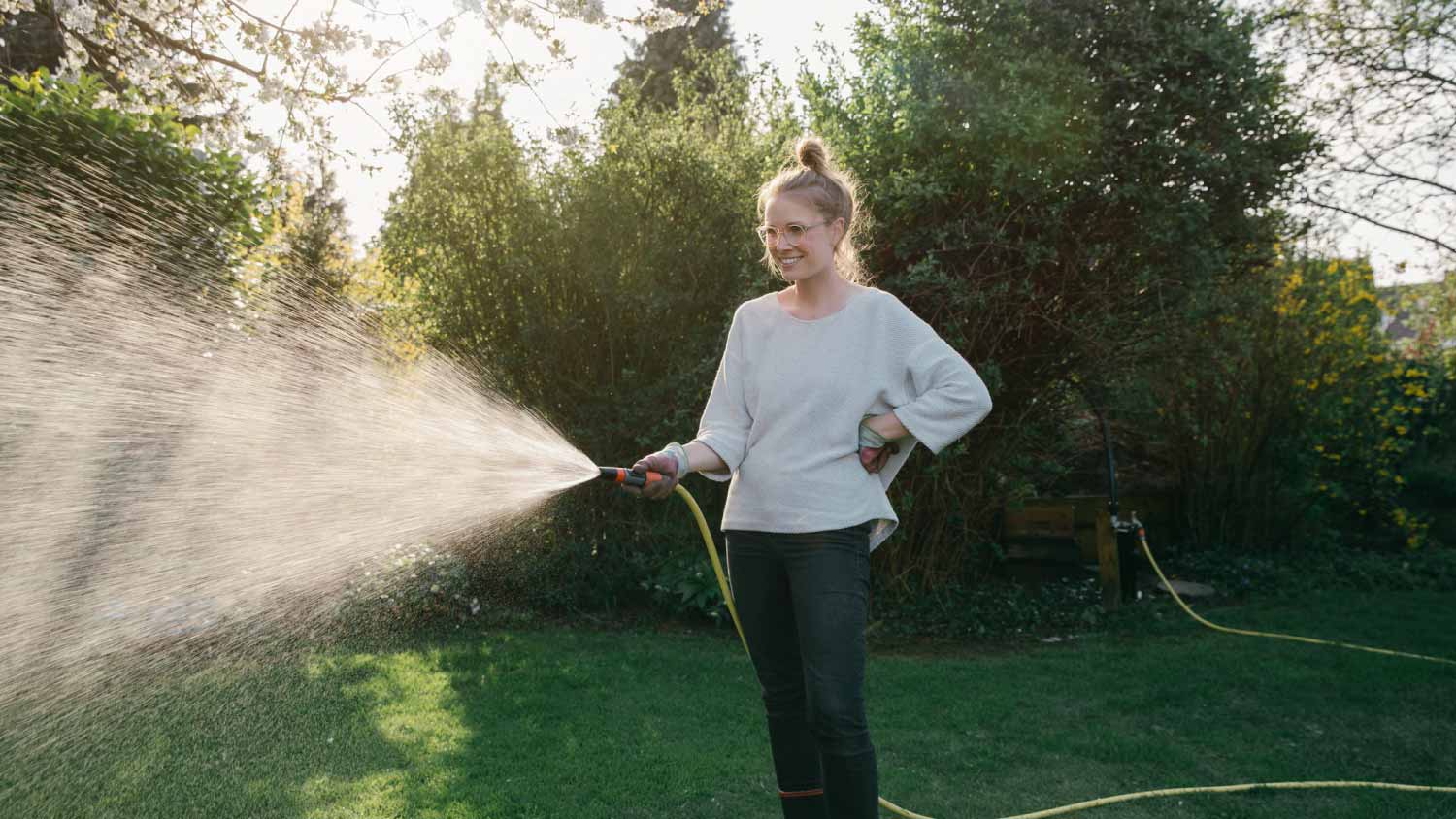
While it's a good idea to water your grass during a drought or when temperatures are high, you should not water your lawn every day. For most lawns, watering one to three times per week is sufficient. Avoid watering in the middle of the day or when the temperature is above 95 degrees Fahrenheit, as the extreme heat will cause the water to evaporate before the soil can fully absorb it. The best time to water your lawn in the summer is in the early morning at dawn or in the early evening, such as between 4 p.m. and 6 p.m., when it's cooler.
Stick to your watering schedule. As long as new grass is getting plenty of water from irrigation, it shouldn’t need watering right after you cut it. Watch for signs like yellowing grass that shows a new lawn isn’t getting enough water and needs more regular irrigation. If you want to water after mowing, wait until the afternoon. Hot, direct sunlight can scorch grass more easily when it’s wet, so it’s better to wait until the day has cooled off.
In general, cool-season grasses such as fescue grass, ryegrass, and Kentucky bluegrass are best for creating a striped lawn. Warm-season grasses like bermuda and zoysia grass don't curl as much, so grass stripes aren't as easy to see. If you live in a climate that’s better suited for warm-season grass, zoysia grass will typically be your best option.
Yes, watering after you level a lawn is essential. Water helps settle the soil, eliminating air pockets and encouraging the newly-applied topdressing to bond with the existing surface. Adequate watering aids in achieving a smoother and more even lawn surface. However, be sure to avoid overwatering, which could lead to soil erosion or compaction issues.
St. Augustine grass grows fast thanks to its dense mat-like structure and vigorous root system. If you've laid St. Augustine sod, it'll put down roots, get itself established, and start to spread in 14 days.
The Basalt, CO homeowners’ guide to lawn care services
From average costs to expert advice, get all the answers you need to get your job done.
Your total lawn care cost depends on several factors, including the type of service and lawn size. Our guide will cover what you can expect to pay for lawn care.
Not sure how to handle advertising for your lawn care business? From lead generation to hyper-local flyers, we’ve got some great marketing ideas for your landscaping company that’ll help you get more leads and new customers year-round.
Professional lawn care is one of the best things you can spend money on to maximize curb appeal. Ask these lawn care questions to make sure you get the services you need.