To remove a shrub, start by cutting back the shrub using pruning shears, loppers, or a chainsaw. Next, dig around the base of the shrub with a pointed shovel to expose its root system. Then, use a shovel or a mattock to loosen the roots, making it easier to pull or lift the shrub from the ground. For larger shrubs or stubborn root systems, attaching a chain or strap to the base and using a vehicle to pull it out can be effective. Ensure proper disposal of the shrub and its debris following local waste disposal guidelines.
The legality of blowing leaves into the street depends on your city or county laws. Many cities have codes that restrict blowing leaves into the street because it can obstruct the view of nearby drivers and make cars dirty, not to mention angering neighbors. Violations can result in a fine or other problems. You can check the codes on your municipal government website to learn more local guidelines, but avoid spraying leaves into streets for now.
While a rented dumpster can handle a wide variety of materials, there are significant restrictions on what is allowed. Generally, you can dispose of most non-hazardous household junk, yard waste, and construction debris.
Accepted items typically include:
Furniture, carpets, old linens, and toys
Wood and yard debris
Small appliances and excess trash
Renovation waste like old finishes, building debris, and roofing materials (unless they contain lead paint or asbestos)
However, you cannot put toxic, flammable, or hazardous materials in a dumpster. Prohibited items almost always include:
Paint, gasoline, oil, and other fuels
Household cleaners and other chemicals
Electronics, batteries, and tires
Refrigerators, hot water tanks, and medical waste
Since regulations can vary by location and company, it is essential to check with your dumpster rental provider for their specific list of accepted and prohibited items before you begin.
Always remove leaves from hardscapes and other lawn features. Leaves and other yard debris can become slippery and dangerous, and fallen leaves can discolor and stain materials like stone, brick, and concrete. Use a rake, brush, or leaf blower to remove leaves from hardscapes and prevent staining.
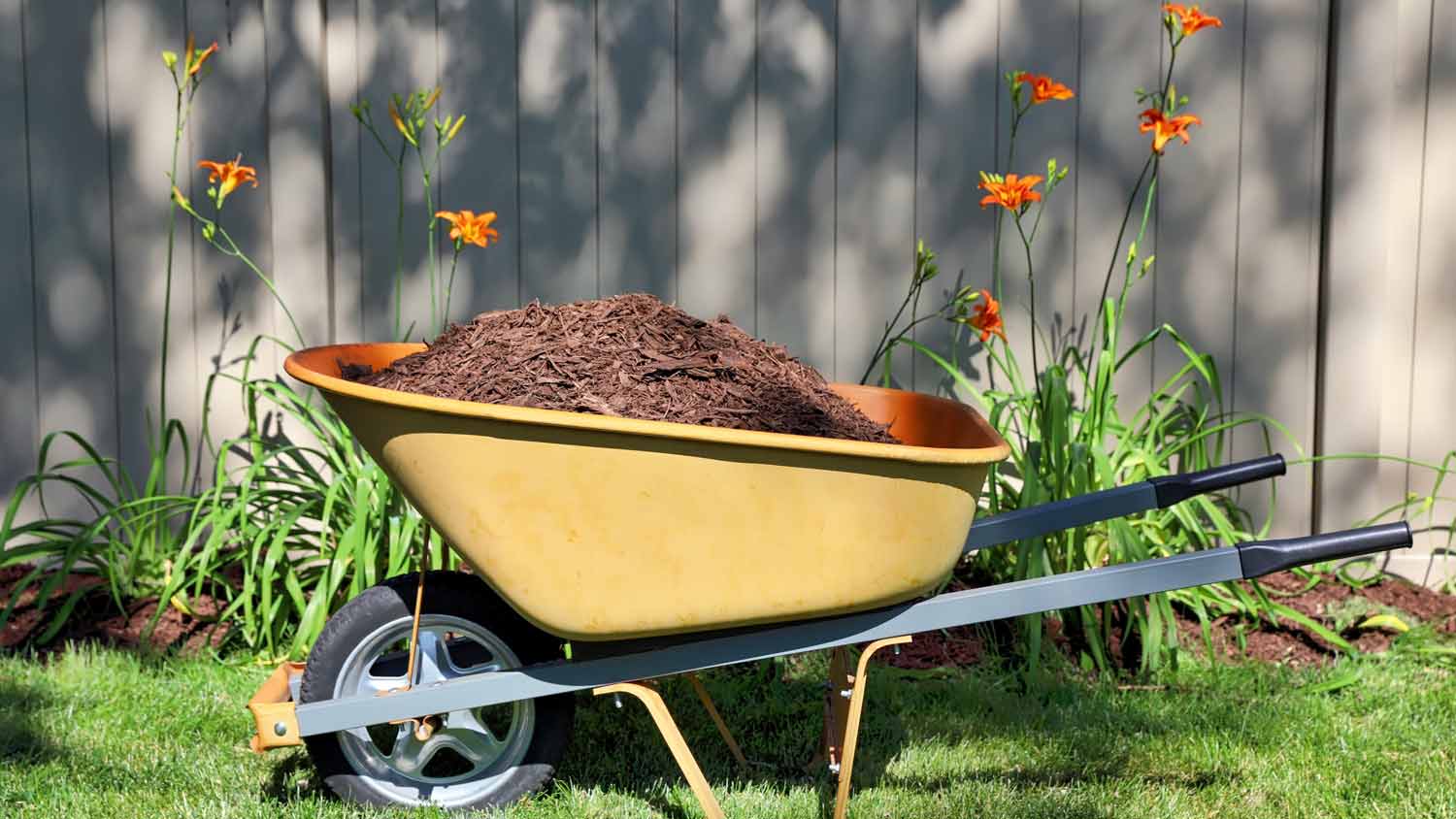
If composting feels too complicated, mulching is an effective alternative. While composting focuses on breaking down yard waste to feed the soil, mulching uses that same organic material as a protective top layer. It's a quick way to get value from leaves, grass clippings, and other yard debris without the time or effort composting requires.
The Yermo, CA homeowners’ guide to brush chipping services
From average costs to expert advice, get all the answers you need to get your job done.
The cost of a tar and chip driveway falls between gravel and asphalt. Is this unique process the happy medium you've been looking for? Let's take a look.
Does your toilet water rise and then slowly drain? Find out common reasons why this is happening and how to fix them to get your toilet up and running again.
Revitalize your stainless steel with a fresh coat and color of paint. Find out how to paint stainless steel and create a new look for your appliances or countertops.
What’s the debate between wood chips vs. mulch? Wood chips are pieces or shredded wood from the interior of a tree trunk, while mulch can be made from a variety of materials.

 4.5
4.5  22
22