"Sal was very professional and did great work. He arrived when he said he would, and is very knowledgeable. I ended up hiring him to not only repair my spa, but to maintain the chemicals too. I recommend his services highly! Anne C"
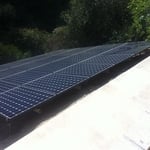
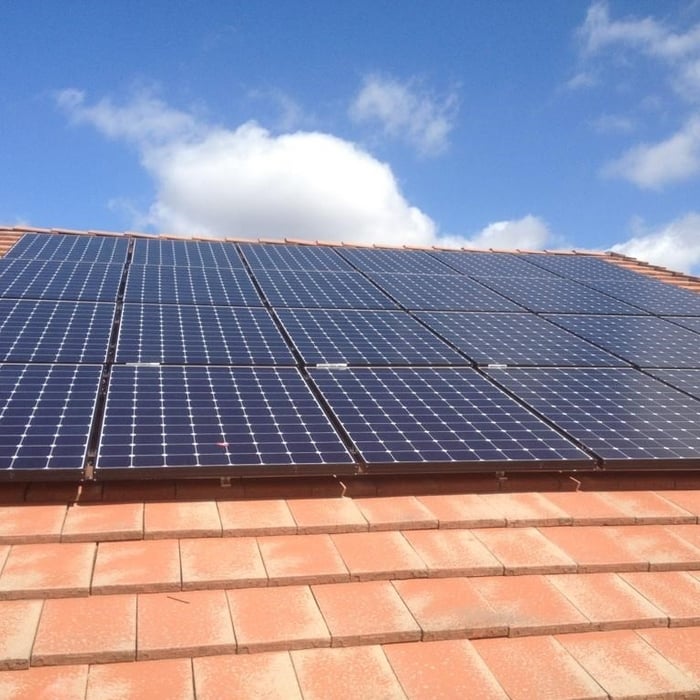
"It went very well. Everyone was very informative. They kept me up to date with the process and whenever I had a question, they were really prompt with their answers whether by email or phone. They were on time when they say they will begin work and the guys that installed my solar panel and inverters were very clean. I mentioned that I'm very worried about leaks because my son is very sensitive to mold and they made sure to seal everything very well n show us the work they've done and ask if we see anything that needs to be addressed. I was very pleased with the whole process. And it was easy, they took care of everything."
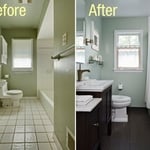
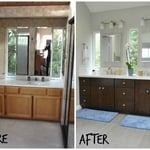
"I highly recommended this company!! We got an amazing new bathroom. From my initial request, the manager understood the Visio of my project. He Wes cooperative and prompt. He was able to fulfill all my requirements within our budget. We got many compliments for my new bathroom. I would recommend them to anyone who is looking for a quality work"
"Well, the first time the replacement was ordered it was the wrong one, which of course, delayed the installation a week. When it was finally installed I had to pay an additional $850 for code upgrades. This I was not informed of by Home Shield. Then we noticed that there was water on the garage floor and found that the pipe coming in from the wall was leaking at the wall so had to call the plumbing company back out to fix it. They first tried to say it was not their fault but since there wasn't a leak before they installed they did fix it. I have used Home Shield a few times before and never had a problem. Some of the companies they use are not the best so you have to research them before you commit. I have found HS service to be good if you do your homework. At the end of the day I was without hot water for almost 3 weeks but it was do to the plumbing company they sent out."
Pool and Spa Servicing questions, answered by experts
Yes, but only if it is a freshwater tub (not saltwater) and if you make sure the chlorine and bromine levels are below 1 ppm.
Yes, air baths are good for you. They promote relaxation, improve circulation, and can even hydrate your skin. Since they’re gentler than water jets and whirlpools, they are a good choice for a wide range of homes and users, from children to adults. You can maximize the benefits by using them regularly for stress relief and by pairing the bubble effects with calming music, low lighting or chronotherapy, aromatherapy, and other relaxation techniques.
In most cases, it is safe to clean a hot tub with vinegar. You will want to verify that your hot tub manufacturer lists vinegar as a safe cleaning product; however, given that vinegar is chemical-free, cleans, deodorizes, and is safe for people and pets, it is usually a good option. You can use vinegar to clean the hot tub shell, interior and exterior spa surfaces, hot tub jets, hot tub filter, and other parts. It is considered a strong, safe, and natural cleanser that can kill bacteria, remove mold and mildew spores, erase water spots, and remove hard water stains.
Most hot tub cracks can be repaired unless they have gone beneath the acrylic. If so, you may need a professional to determine if the crack is repairable or if you should consider hot tub replacement instead.
For a fully-foamed hot tub, freezing typically occurs when the temperature drops below 28 degrees Fahrenheitand remains at or below this level continuously for a minimum of 36 hours. If your hot tub and pumps are still operational, however, the water circulates, and this continuous movement helps prevent freezing, even in very cold conditions. This circulation, along with the insulation provided by the foam, helps maintain the water temperature and prevent it from freezing during extended cold periods. Still, if you’re not planning to run it regularly, be sure to winterize the hot tub properly to prevent damage from freezing.
The Walker, CA homeowners’ guide to pool and spa services
From average costs to expert advice, get all the answers you need to get your job done.
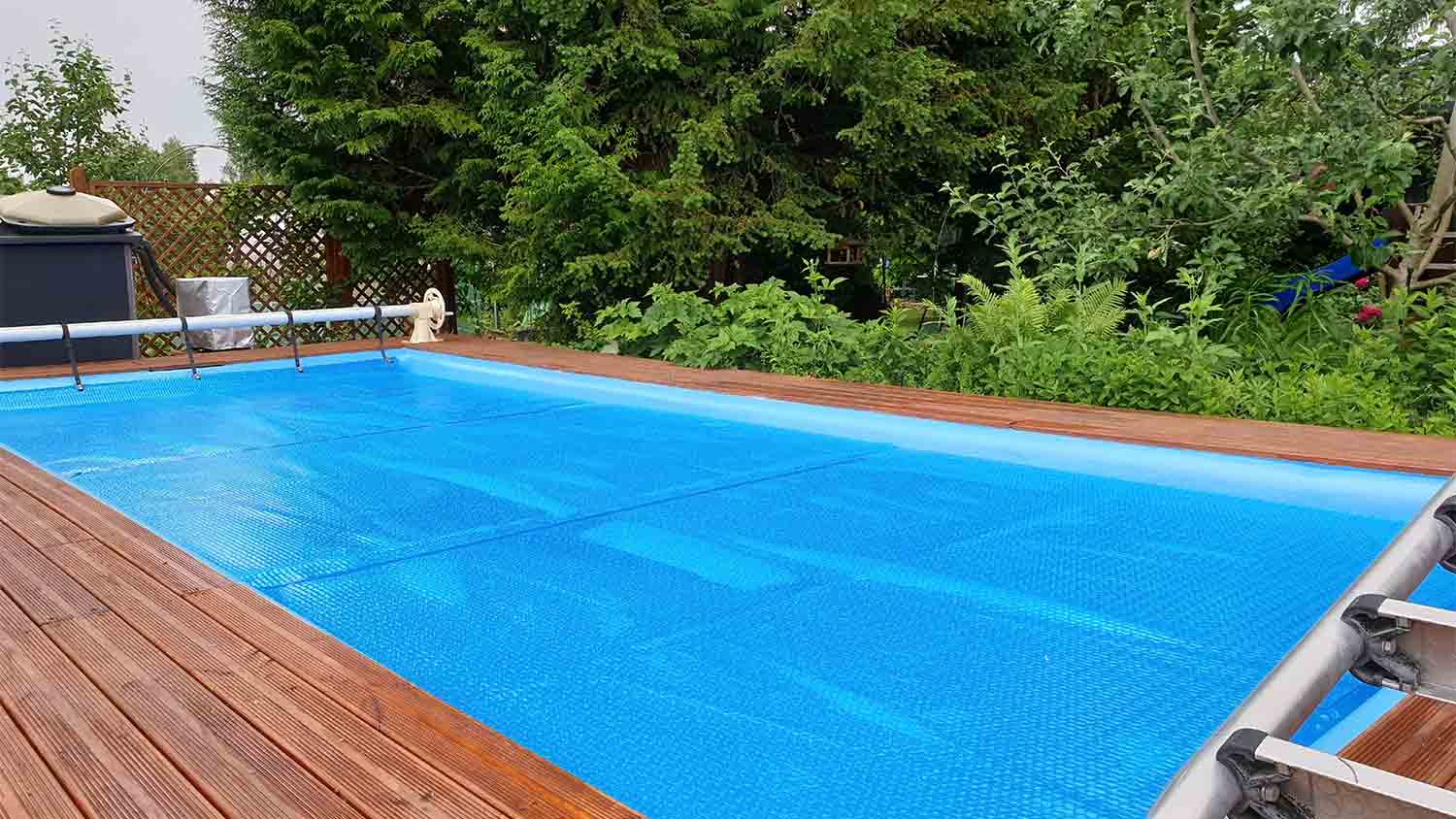
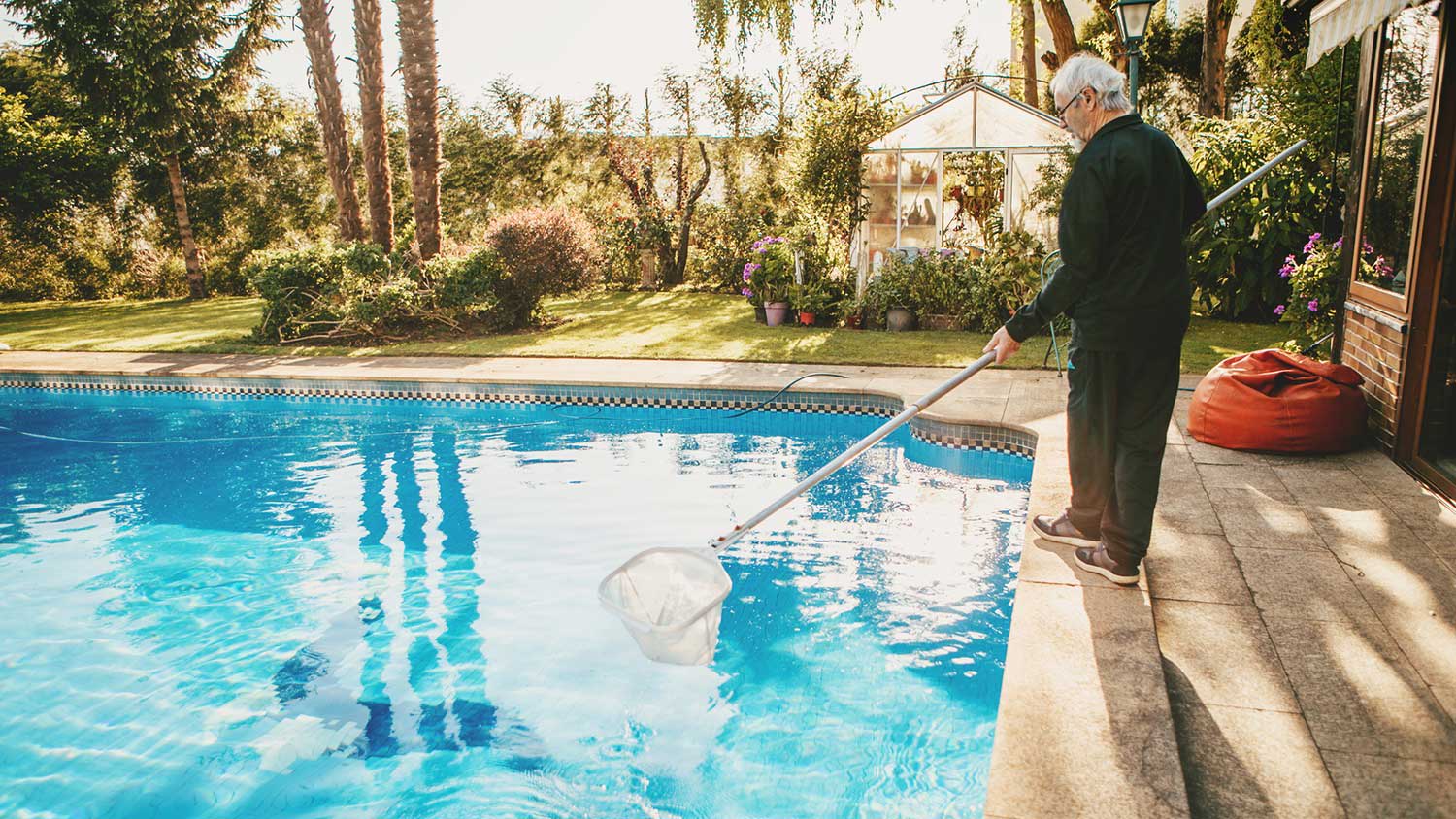
Discover how much pool maintenance costs, including average prices, cost factors, and expert tips to help you budget and keep your pool sparkling all season.
What’s the difference between a swim spa vs pool? Both can be great additions to your property; here’s how to decide which one makes the most sense for you.
If you live in an area without very cold winters but tempted to close your pool during the cooler months, read on. We dive into the many benefits of winter service.