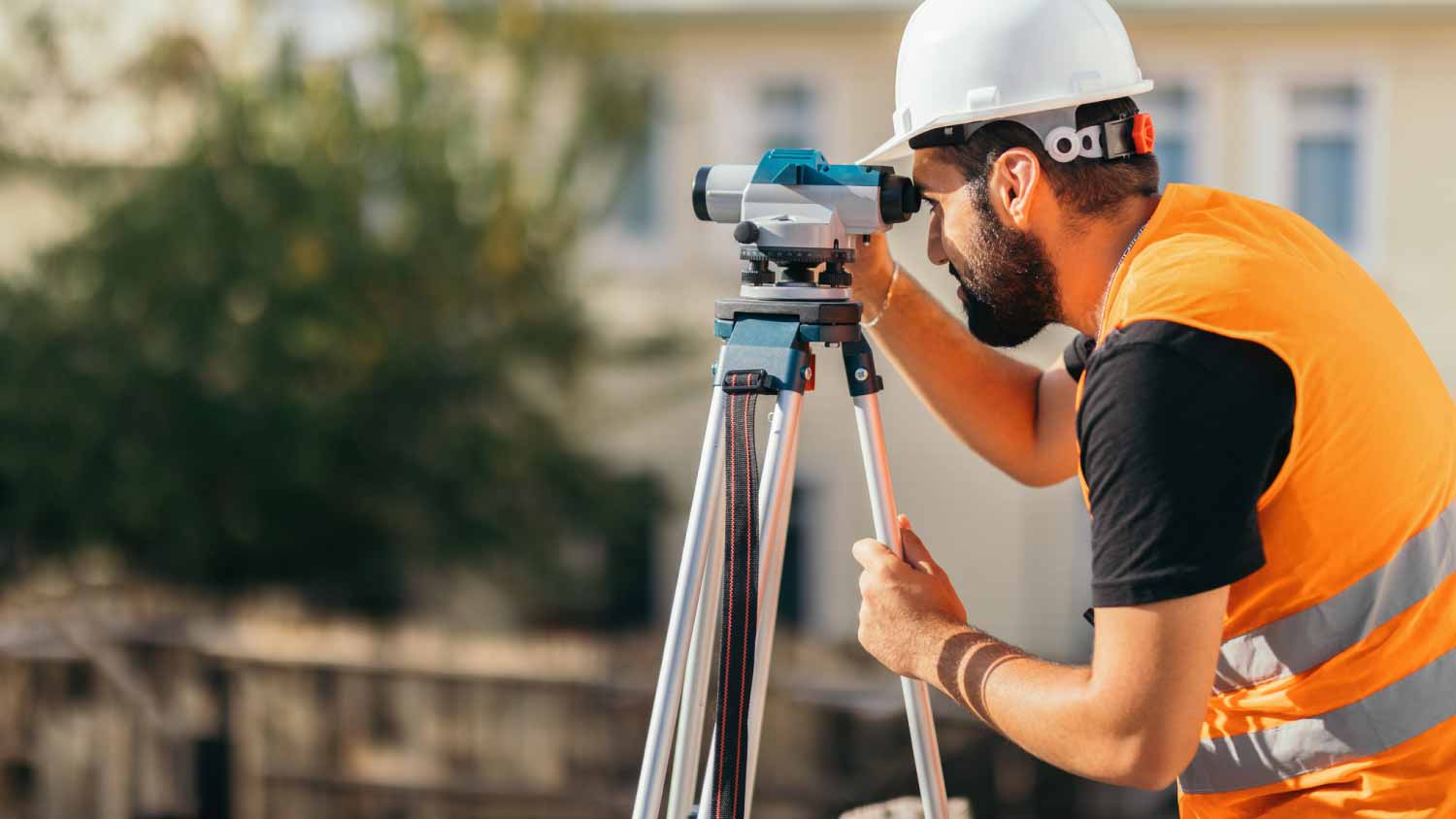
"We had been looking for someone for weeks. Larry responded to my inquiry within 24 hours and was able to help us with the land survey in less than a week. Very pleased with his quick response. I will definitely recommend him to friends and family."
Land surveying can help give clear guidance on your property boundaries for numerous situations. And in some cases, having your land surveyed is a requirement. Some common reasons to have your land surveyed include:
Planning for construction projects, like building a fence
Locating utilities, such as plumbing fixtures
Settling property line disputes
Creating subdivisions
Meeting mortgage requirements
Selling your property
Land surveys are worth it in several scenarios including selling your home, building an addition, constructing a fence, or making major changes to your landscape. A professional land survey can help you avoid legal issues with your neighbors and confirm the value of your property. In many cases, you may be required to order a land survey to receive a construction permit or mortgage loan.
The small lines on the tape measure either indicate inches, fractions of an inch, or centimeters and millimeters. On the imperial unit side (aka the inches side), the longest lines indicate inches, followed by the next shortest lines that indicate a half-inch, and then the quarter, eighth, and sixteenth-inch. On the metric side, the lines break down meters, centimeters, and millimeters.
A land survey includes the layout of a single property, including precise measurements and to-scale drawings of boundary lines, land improvements, and sometimes other features, like topography and drainage information. A plat map includes the layouts and boundary lines of several adjacent plots and basic structure measurements. Surveys are normally more valuable for homeowners and buyers, and plat maps are for governmental use.
You should always calculate real estate development costs on a case-by-case basis, so there’s no specific formula to estimate your total. You should speak with a local construction manager to see what you’ll need to do in terms of clearing and leveling the land, connecting utilities, and pulling permits for construction. A professional will be able to get you an accurate estimate for land development.
The Walker, CA homeowners’ guide to land surveying services
From average costs to expert advice, get all the answers you need to get your job done.
Find out how much an elevation certificate costs, including average prices, cost factors, and tips to save money when hiring a surveyor for your property.
Planning to build a fence or home addition? Learn about land surveying costs, property boundaries, and how to hire the right local pro for your project.
If you've just been told that you need a land survey to continue your project, what time of land survey do you really need? Here are eight main options.