A five-gallon bucket of deck stain will cover roughly 875 square feet in a single coat. Actual coverage will vary based on the type of wood you’re staining and the number of coats. If you plan on doing multiple coats, multiply the square footage by the number of coats to calculate how many buckets of stain you’ll need.
Opt for an interior wood stain that is rated for your type of wood. Consider your personal style preferences as well as the overall use of the room when choosing a color. Remember, the color you see at the store may look different on your actual floors once applied. This is why if you have the chance, it’s helpful to test a few options on a scrap piece of wood in the room first. Once you narrow it down, you can test a small patch on an inconspicuous area in the room to see it on the actual floors.
When applying multiple coats, wait four to six hours for each coat to dry. Not waiting long enough can result in streaks, peeling, and uneven color. Plus, it will be more difficult to discern where the second coat has already been applied.
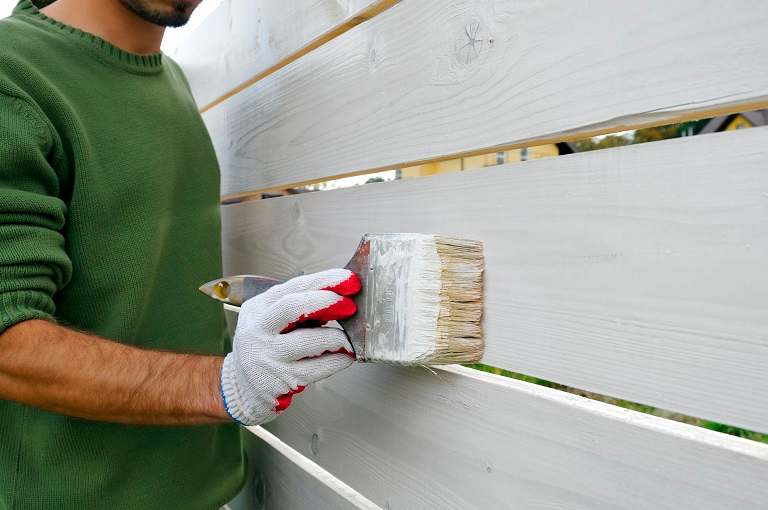
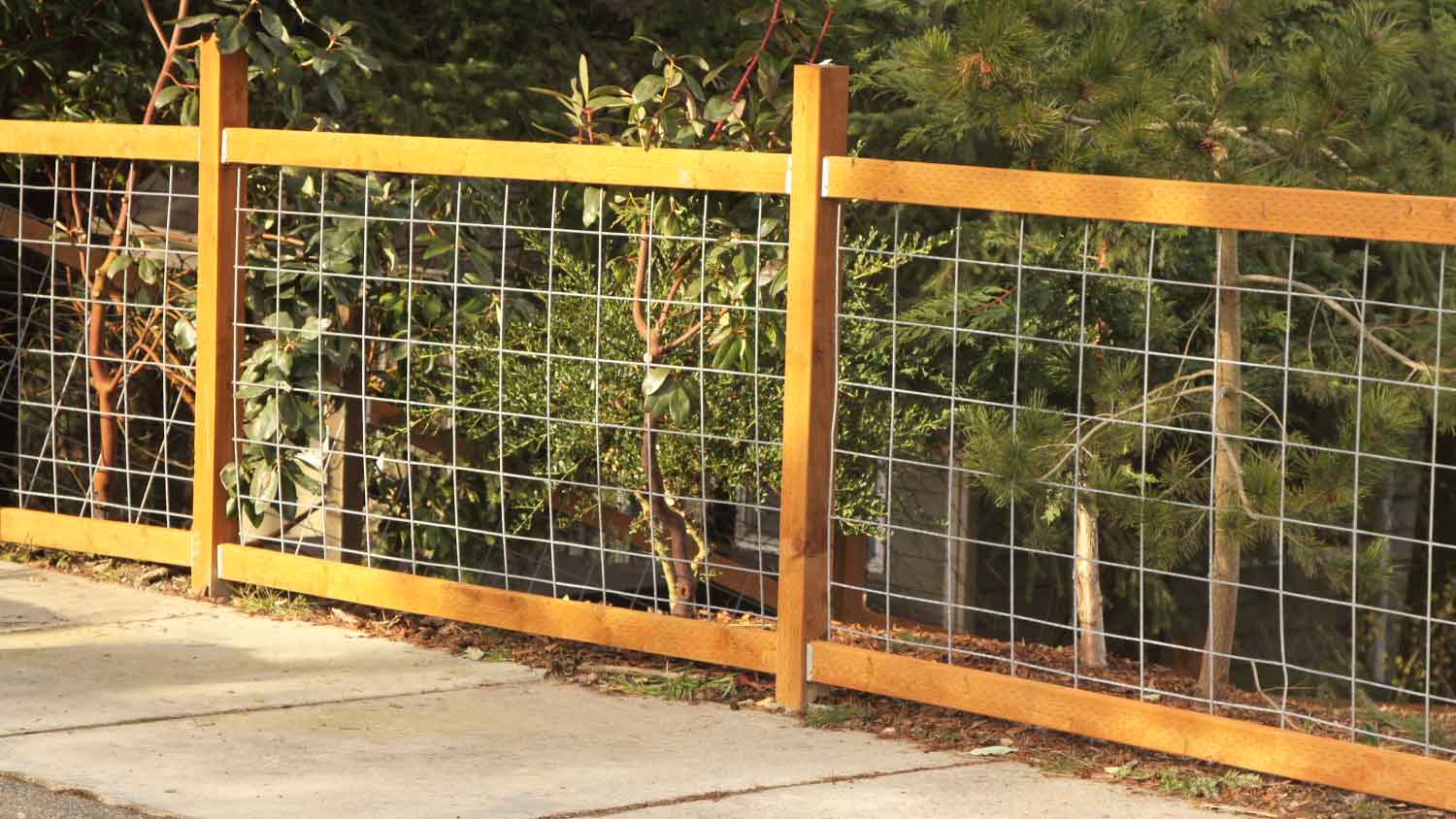
Staining or sealing a cedar deck or fence is highly recommended to extend its lifespan and protect it from the elements. While cedar is naturally resistant to mold and mildew, it is not impervious to damage from moisture, sun exposure, splintering, fading, and rot over time. Applying a protective finish creates a shield that preserves the wood's strength and appearance, potentially extending its life by five to 10 years.
When choosing a finish, it's helpful to understand the difference between a sealer and a stain. A sealer sits on top of the wood, whereas a combination stain and sealer soaks into the top layer. Because it penetrates the wood, a stain generally offers better protection against UV damage and rot and lasts significantly longer. For the best results that also preserve the wood's natural color, consider using a near-translucent stain.
To maintain protection, plan on reapplying the stain or sealer every two to three years, either as a DIY project or by hiring a professional.
DIY is possible with proper tools and knowledge, but professionals can ensure even application and high-quality results, saving time and hassle.
The Walker, CA homeowners’ guide to fence painting services
From average costs to expert advice, get all the answers you need to get your job done.
Thinking about fence painting and staining? Learn about material options, costs to expect, and how to hire the right local exterior painter for the job.
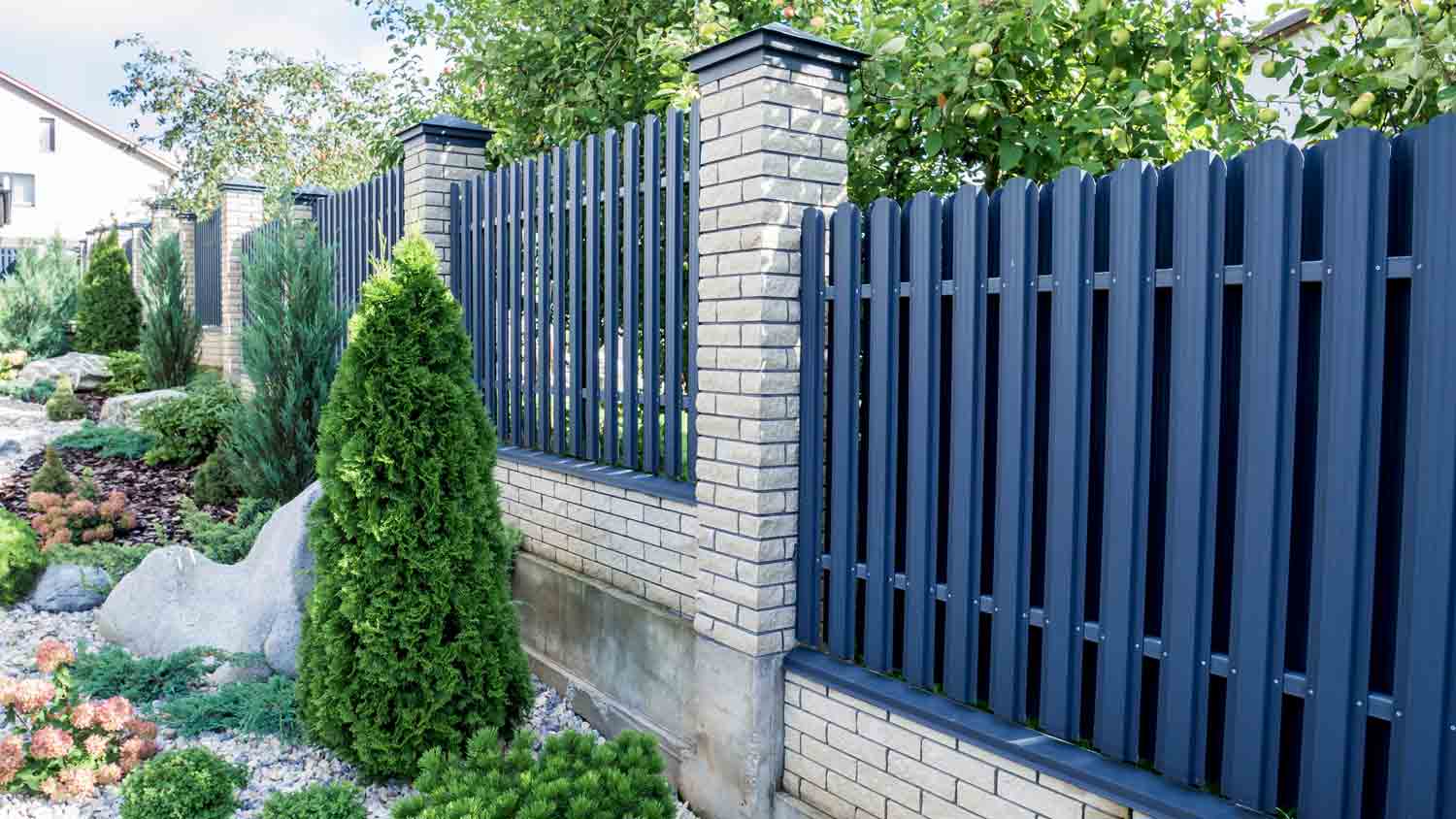
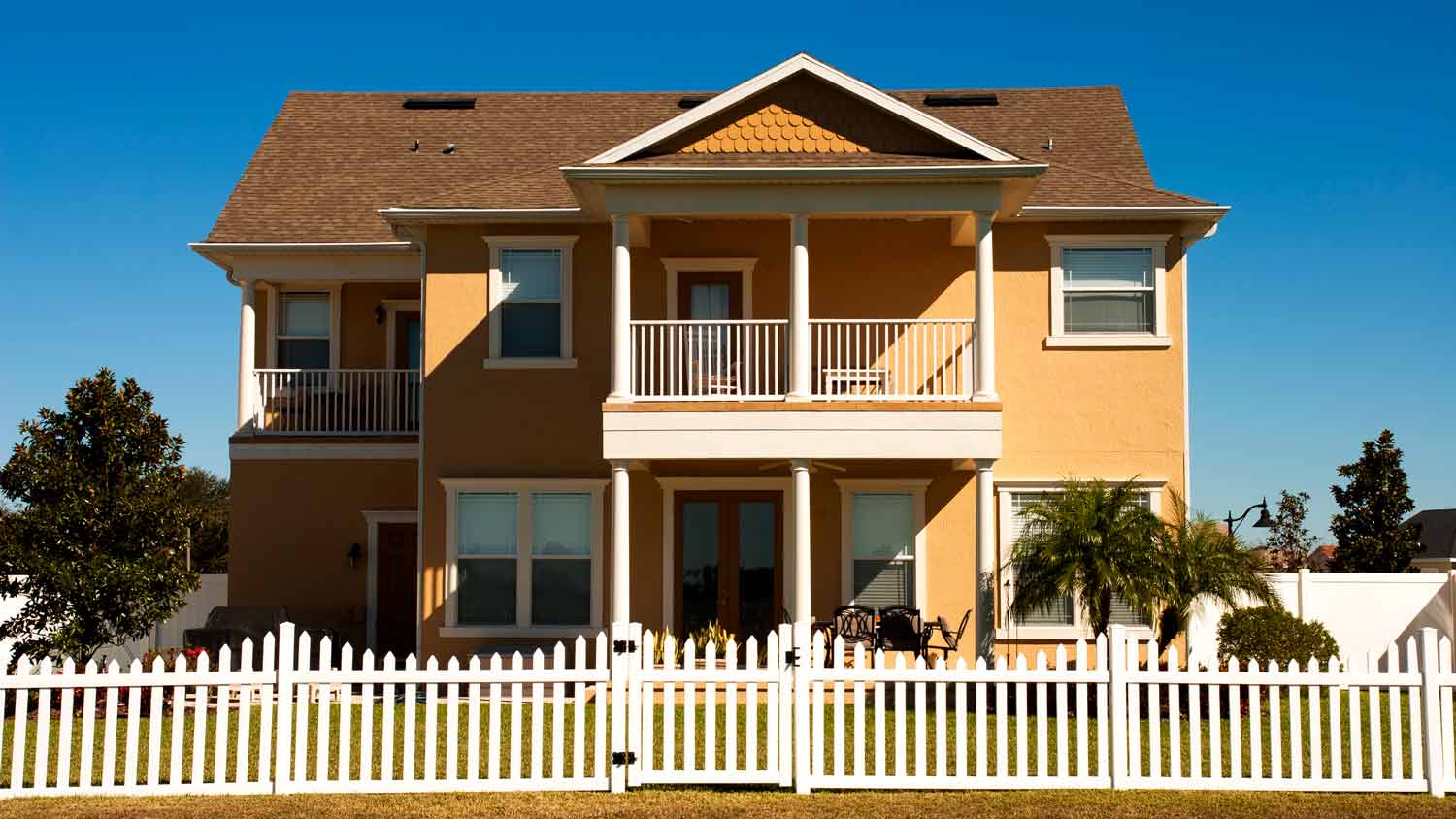
Deciding on the best fence paint color is difficult. This guide will help you choose a shade that creates the right vibe alongside your house color and landscaping.