







Top-rated aquarium service pros.

Get matched with top aquarium service pros in Sanger, CA

Enter your zip and get matched with up to 5 pros

Need a pro for your aquarium service project in Sanger, CA?

Select your specific project to find the pro for you.

TRUSTED BY SANGER, CA HOMEOWNERS

  • Average homeowner rating star icon4.3
    Average homeowner rating
  • Verified reviews icon392
    Verified aquarium services reviews

Find Aquarium service pros in Sanger

Avatar for Golden valley Concrete
Golden valley Concrete
3.0(
2
)
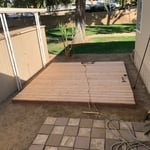
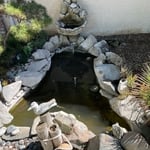
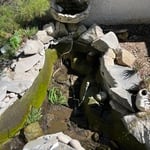
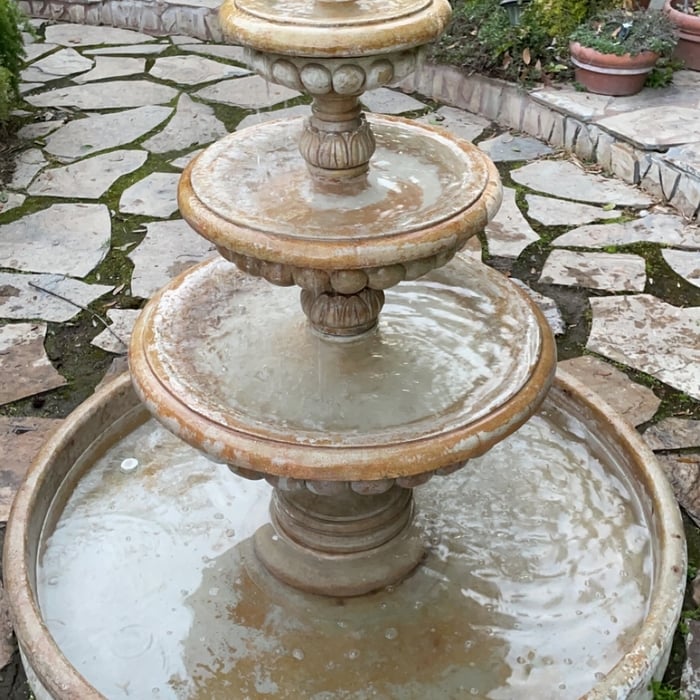
Water Feature - Install a Pond

Serving Sanger, CA and surrounding areas

Golden Valley Concrete \nOwner operated. Taking care of all your concrete needs. Big or small we do it all. \nOver 10 years of experience in pouring foundations, drive ways, custom concrete \nEtc. My team and I take pride in what we do. Give us a call for your feature projects

Recommended by100%of homeowners
Aquarium Services questions, answered by experts

It only takes a few days for a septic tank to fill with water after a pro has pumped it. This is completely normal, and the water is a vital part of your septic system’s wastewater treatment process. The water that fills your tank days after pumping is not the same as the tank being filled with waste. You shouldn’t have to pump your septic system more than once every three to five years unless you have a tank that’s too small for your home’s water output or there’s a problem with your leach field. 

A septic system's lifespan typically ranges from 15 to 40 years, with a common average of 20 to 30 years. The longevity heavily depends on the tank's material, maintenance diligence, and usage habits. With proper care, lifespans can reach the upper end of this range.

Lifespan by Tank Material:

  • Concrete: 20 to 40 years

  • Plastic or Fiberglass: 30 to 40 years

  • Steel: 15 to 20 years

To maximize your system's lifespan, follow these maintenance best practices:

  • Regular Pumping and Inspections: Have the tank pumped every three to five years and schedule professional inspections regularly.

  • Mindful Usage: Only flush human waste and toilet paper. Avoid putting items like cat litter, paper towels, cigarette butts, fats, grease, oils, or coffee grounds down your drains.

  • Avoid Chemicals: Do not pour harsh chemicals into the system.

  • Water Conservation: Reduce the amount of wastewater your system has to process.

  • Protect the Drain Field: Avoid driving or building heavy structures over the drain field area.

Recognizing signs of a failing septic system is crucial to prevent costly damage and health hazards. Foul odors in and around your home, slow drainage in sinks and toilets, or gurgling noises in plumbing fixtures can indicate problems with drainage. Lush, green patches of grass near the drain field or wastewater pooling on the ground are alarming signs that may indicate a leak in the system. If you notice any of these symptoms, it's vital to address them promptly to avoid more extensive and expensive issues.

It depends on several factors, such as the equipment used and the company. However, it takes about 20 to 30 minutes to pump an average-size septic tank of 1,000 gallons. A larger tank that is over 1,500 gallons can take up to an hour to pump as long as there are no complications. 

No. You should never empty a septic tank yourself because it involves working with specialized equipment (that you probably don’t have) and puts you at risk of breathing in toxic fumes. Plus, once you’ve removed the waste, you’ll need to transport it and dispose of it safely. Instead, call an expert for this job. On average, hiring a pro to pump a septic tank costs $550.

The Sanger, CA homeowners’ guide to aquarium services

From average costs to expert advice, get all the answers you need to get your job done.