




Top-rated window tinters.

Get matched with top window tinters in Orange Cove, CA

Enter your zip and get matched with up to 5 pros

Need a pro for your window tinting project in Orange Cove, CA?

Select your specific project to find the pro for you.

Find Window tinters in Orange Cove

Avatar for Frontpoint
Frontpoint
4.7(
8,819
)
Window Tinting - Apply or Replace

Serving Orange Cove, CA and surrounding areas

In business since 2007

Free estimates

Emergency services offered

"Pretty good deal for $100 up front. The 5 included sensors cover my doors/sliders. We were disappointed that the mobile app functionality isn't included with the base monitoring plan after the first month. And my bathroom door sensor only works half the time. They told us that the dog (a little mini-poodle) wouldn't set off the motion sensor but she does - so we don't ever use it which leaves us exposed if someone comes in thru a window. But for basic coverage at $35 a month its not a bad deal. I like that its cellular (no land line needed) and self-installation was easy with their excellent phone app. I may upgrade the system at some point with window sensors, glass break sensor, front door camera."
Recommended by93%of homeowners
Window Tinting questions, answered by experts

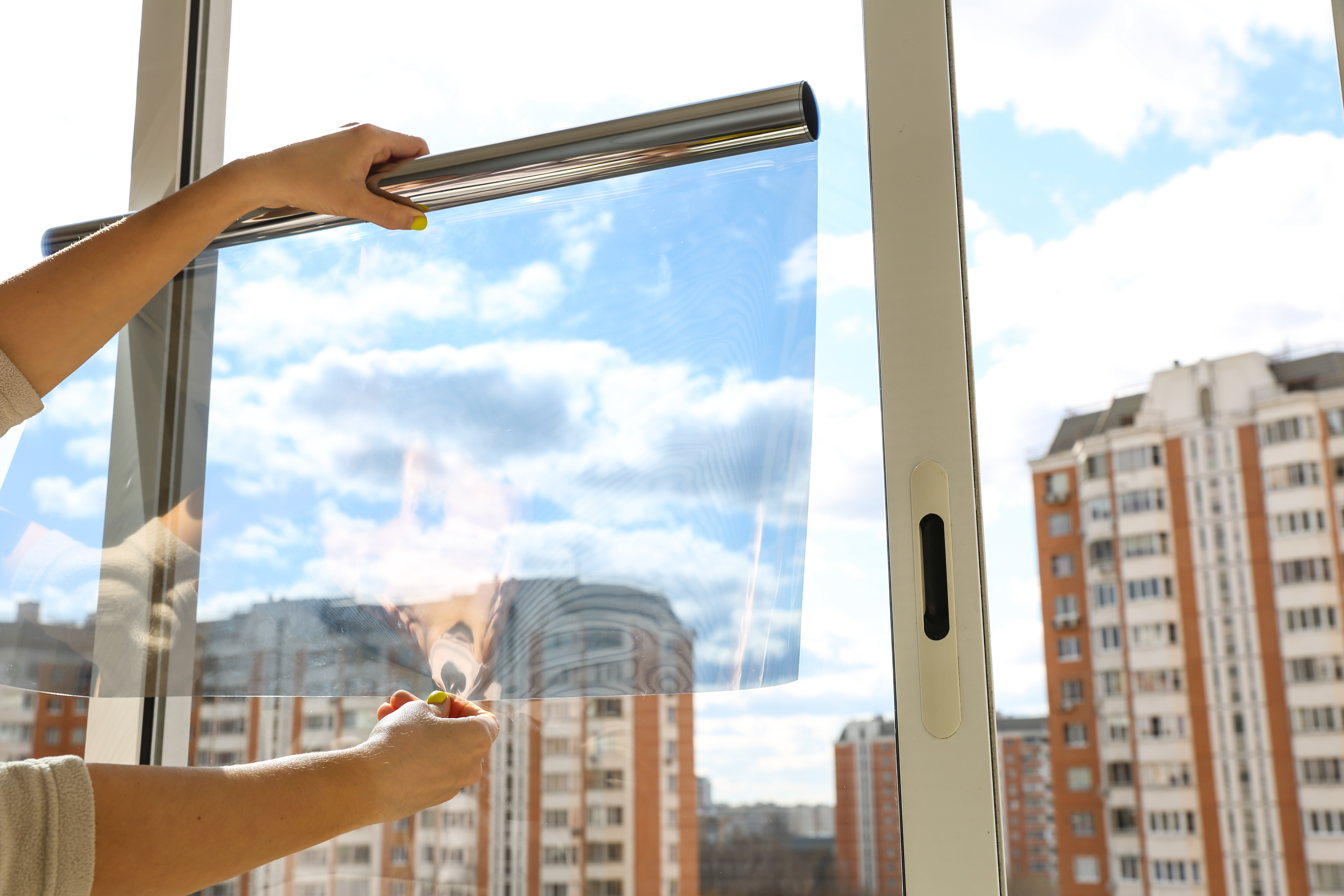
One drawback is that window film can reduce the amount of natural light entering a room, particularly if you opt for a darker or more opaque film. Additionally, if not installed properly, window film may develop air bubbles or wrinkles, affecting its appearance. Over time, certain types of window film may also experience discoloration or peeling. Moreover, certain window films can interfere with wireless signals, such as Wi-Fi or cellular reception. Careful consideration of these potential drawbacks is essential when deciding whether window film is the right choice for your home.

The most popular tint percentage for home windows is 35%. Generally, most homeowners choose a visible light transmission (VLT) between 50% and 35%, where lower numbers mean less sunlight enters the home. A 35% tint blocks over half the incoming light while still allowing plenty of natural light, which can improve energy efficiency and comfort. If privacy is a primary concern, you can opt for a tint of 50% or lower to make it more difficult for people to see inside. However, keep in mind that very dark, thick tints may offer fewer energy-efficiency benefits.

Unlike cars, there are no laws regulating window tint percentages on homes, so you can choose what you think is best. It is often a good idea to hire a professional, as they can show you samples of how different tint levels will look in your specific property, helping you make the right choice.

While you need heat to peel back window film, the tint will often leave behind adhesive residue. You can use chemicals such as isopropyl alcohol or acetone to remove the residue, though hardware stores sell specialized solutions for this purpose as well. You can also use soapy water in a pinch!

If you have bubble wrap lying around the house and you don’t care about the odd look, taping bubble wrap over a window is a very affordable way to insulate it. Another inexpensive option for insulating windows is to add new caulk around the glass. This step quickly cuts down on air drafts for older windows, and a tube of caulk only costs a few dollars. Adding plastic shrink film around the glass is another cost-effective option. You can purchase a kit of plastic film for a few dollars per window.

Replacing a window frame will improve your home’s energy efficiency if the old frame is cracked or damaged in a way that allows unconditioned air from the outside into your living space or if you upgrade to a more energy-efficient window frame material. Aluminum is the least energy-efficient window frame material, followed by vinyl and wood. Fiberglass and composite frames are the most energy-efficient.

The Orange Cove, CA homeowners’ guide to window tinting services

From average costs to expert advice, get all the answers you need to get your job done.