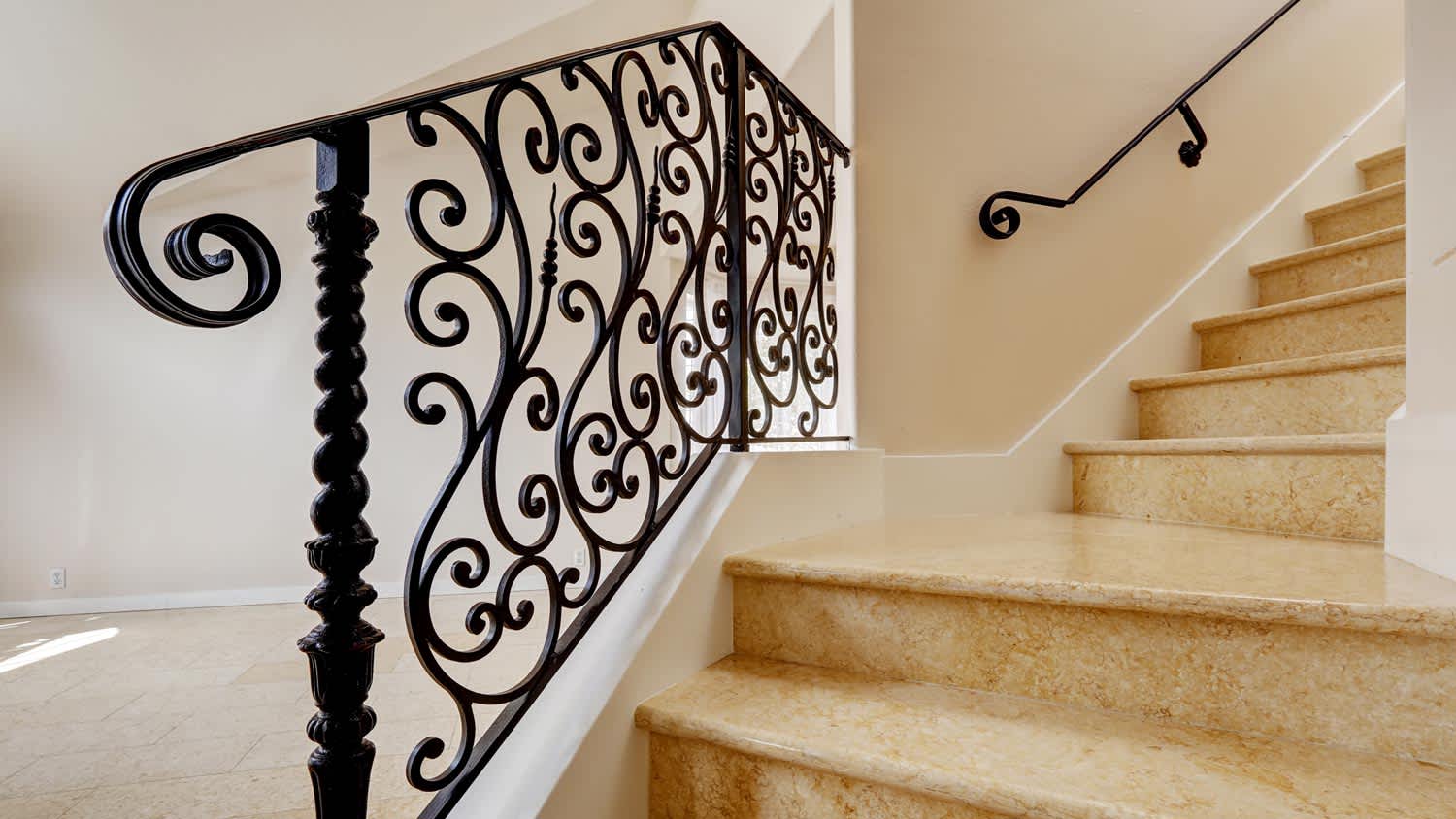
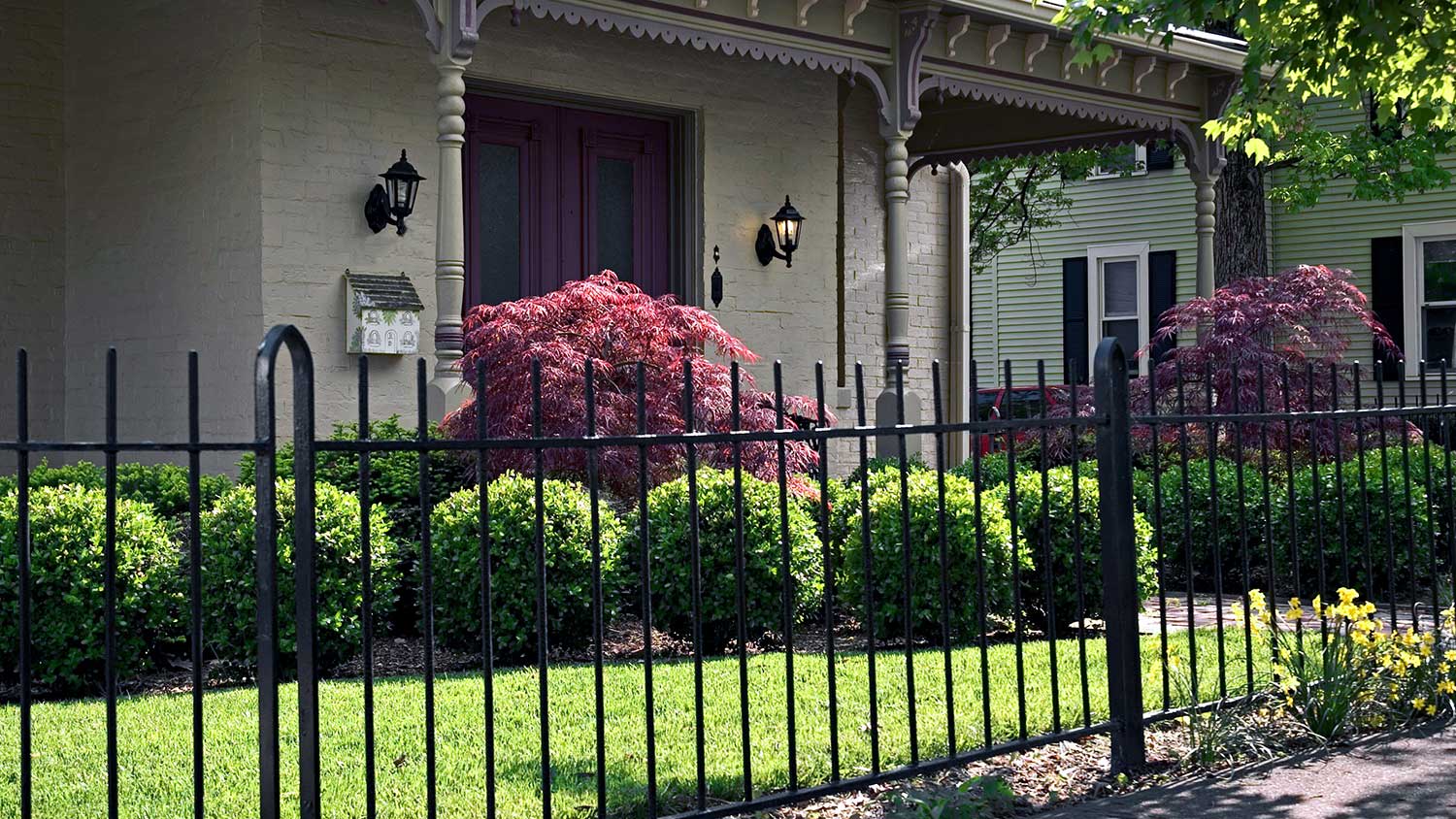
Zarrell Metal Works is committed to excellence in every aspect of our business. We uphold a standard of integrity bound by fairness, honesty, and personal responsibility. Our distinction is the quality of service we bring to our customers. Accurate knowledge of our trade combined with ability is what makes us true professionals. Above all, we are watchful of our customers' interests, and make their concerns the basis of our business.
DOC Welding is your trusted partner for all your welding needs. With our expertise and commitment to excellence, we go above and beyond to ensure your satisfaction. Contact us today for metal fabrication & restoration, welding, and wrought iron-services you can depend on.
Welcome to the Quality Fence Company, Inc. We have been offering a complete line of all types of fencing and railing for over 40 plus years. As designers, manufacturers, distributors, and installers we are able to offer the best quality available to the industry. Whether it is aluminum, vinyl, chain link, wood wrought iron, custom hand railing, electric gate operators, custom gates or whatever your fence needs are, you can be assured that we discriminately select only the best quality and standards.
At A B Fence Company, we take care to provide our customers with high quality fencing services personalized for their unique needs. We are available 24 hours a day, 7 days a week. Our staff members are professional, courteous, and efficient. Please contact us today for a no cost or obligation consultation on your next fencing project. Thanks!
The safest pool fence depends on your specific needs, such as protecting children and pets. Generally, a fence that is difficult to climb and lacks gaps that a child or pet could slip through is safest. Mesh and tempered glass are very safe options because they are difficult to climb. Mesh fences often meet height requirements, although they may not be the most durable. Solid fences made of wood, concrete, or stone can also be very effective, provided they are high enough to prevent climbing. For additional safety, you could install a pool safety net or a full swimming pool enclosure. Proper maintenance of the pool area is also essential.
A horizontal fence is typically more expensive to build than a vertical fence, often costing between 10% and 20% more. The higher cost is due to the need for a higher grade of lumber and more posts to prevent the boards from sagging, which increases both material and labor expenses. Despite the higher price, horizontal fences tend to be more durable and offer a more distinct, modern look compared to the more common vertical picket style. However, they may not be the best option for privacy, as there can be slight gaps between the horizontal rails.
Installing a fence when the ground is frozen presents challenges, but it's possible with the right approach. First, mark and measure the fence line accurately. Use a power auger or manual post-hole digger to create holes in the frozen ground, ideally when it's less rigid during warmer parts of the day. Consider using pre-made fence post anchors or driving metal posts into the ground. Ensure posts are secure with concrete for stability. Allow extra time for the concrete to cure. Additionally, be cautious of frost heave, which may affect post-alignment. Installing in milder winter conditions is often more manageable.
Yes, fence posts need to be installed below the frost line to ensure stability and prevent heaving caused by freezing and thawing cycles. The frost line is the depth at which soil freezes during winter. By placing posts below this line, often around 3 to 4 feet deep or as recommended for your specific region, you reduce the risk of the ground shifting, which can lead to leaning or unstable fences. Adequate depth provides better anchoring and helps maintain the fence's integrity, ensuring it remains secure and upright throughout changing seasons.
The ideal distance between fence posts depends on several factors, including the terrain, the purpose of the fence, and the material used. For different types of fences, here are some general guidelines:
Wood and Metal Fences: Posts should be spaced between 5 and 8 feet apart.
Vinyl Fences: Spacing can be between 6 and 8 feet.
Chain-Link, Mesh, or Lattice Fences: Posts can be set anywhere from 4 to 25 feet apart, with 4-10 feet being common for chain-link.
Wire Fences: Spacing can be up to 12 feet apart.
The Needles, CA homeowners’ guide to wrought iron services
From average costs to expert advice, get all the answers you need to get your job done.
Unsure who to hire to install a wrought iron fence? Compare fence contractors and ornamental iron pros, see how installation works, and choose confidently.