



"Very professional. Completed the job in two weeks. The deliverables were as promised. They were very independent, requiring only minimal involvement from the client. However, communication with the owner could be enhanced a bit."
"I only use James when I need some work done to my house. He responds fast, gets the work done quicker than just about anyone else I've ever used and seems very concerned with leaving his customers happy."
Basement Waterproofing questions, answered by experts
The cost of basement waterproofing is $4,950 for the average homeowner. However, you could end up paying between $600 and $14,000, depending on factors like basement size, waterproofing method, and the region you live in.
If you live in an area with heavy rainfall, you might be paying more for waterproofing than if you lived somewhere drier since waterproofing contractors would be in high demand. Likewise, a 500-foot basement costs between $2,500and $5,000 to waterproof, but that price rises significantly for a larger basement.
The best way to ensure the ground next to your home’s foundation drains properly is to divert water away from it as much as possible. While a flood wall can stop water from entering the house, gutters and spouts can help direct rainwater and melting snow away from the foundation. Keep your gutters as clear as possible from dead leaves and other yard debris so they can effectively divert water from your house. Add extenders to the spouts so the water runs out and away from your home, not into the surrounding soil.
Since basements are prone to water and moisture issues and the resulting problems can be expensive to repair and potentially damaging to your home, basement waterproofing is almost always worthwhile. Even for homes that haven’t experienced water infiltration, waterproofing the basement is insurance against facing expensive repair bills in the future. All basements will leak at some point, so fixing drainage issues and taking steps to prevent moisture and water infiltration is wise.
Yes, crawl spaces can attract bugs, especially since moisture tends to build up in the space, and moisture attracts pests. A good way to prevent pest infestation in your crawl space is to install a vapor barrier—called crawl space encapsulation—on the interior to seal the space, along with a French drain or some other kind of foundation drainage system outside to keep runoff out of your crawl space. You can also seal foundation cracks and repair damages to cut off access to pests.
Anything having to do with the structure of your home, such as raising the ceiling, is usually the most expensive part of finishing a basement. Another project component that could be a surprisingly high expense is adding an exterior entrance.
Need to fix basement water problems or safeguard your home from damage in the future? Use this basement waterproofing cost guide to budget appropriately.
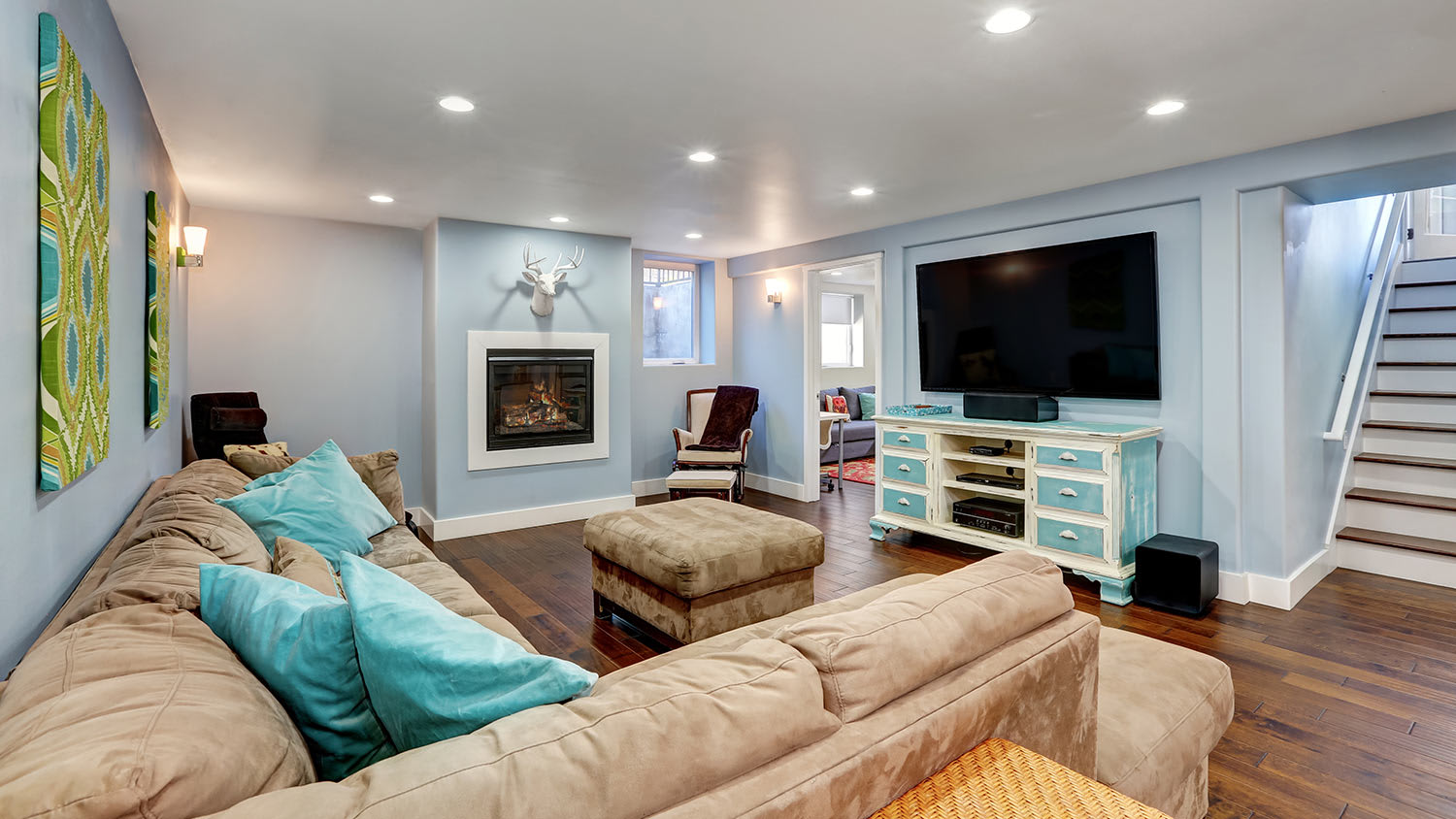
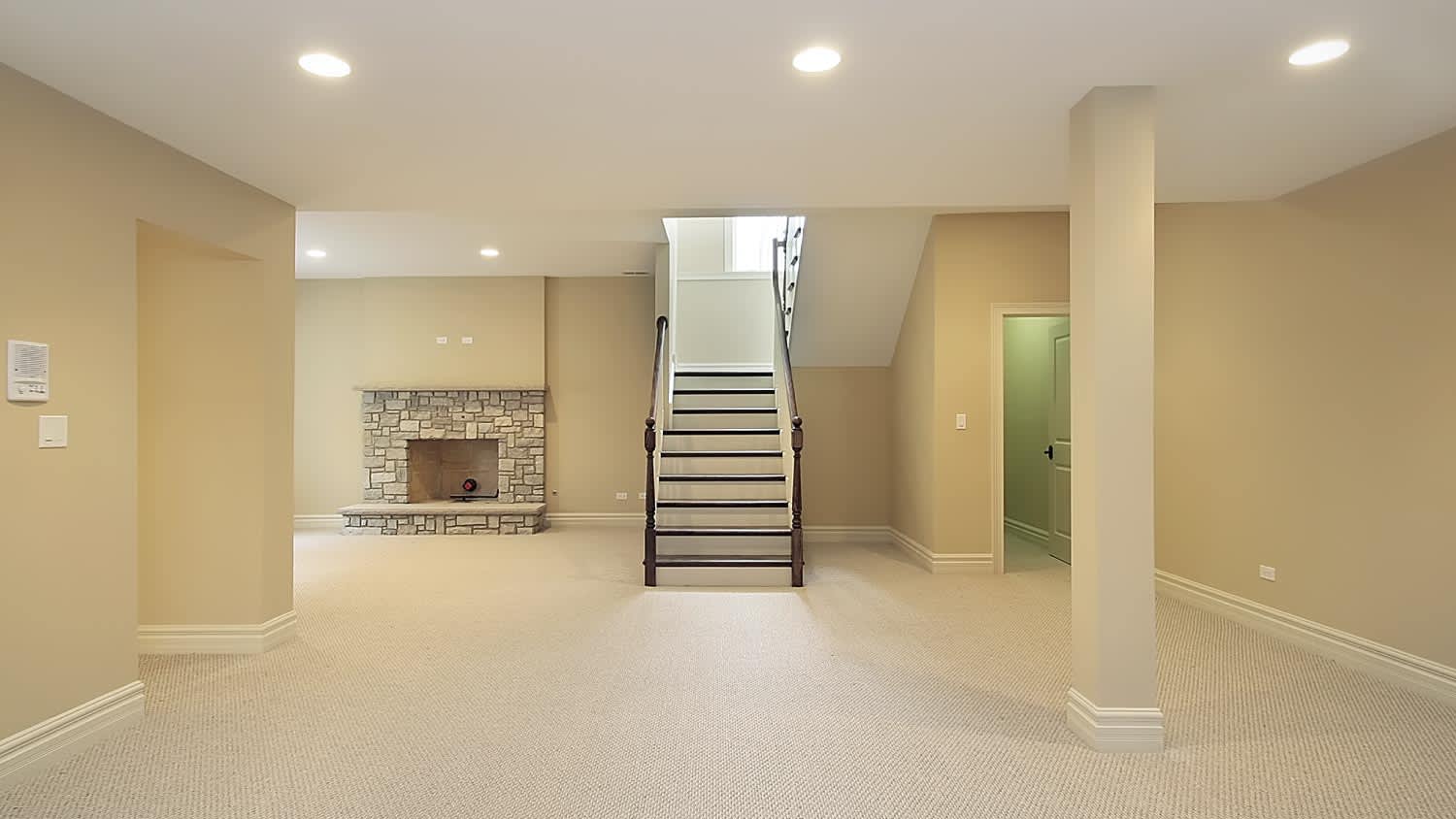
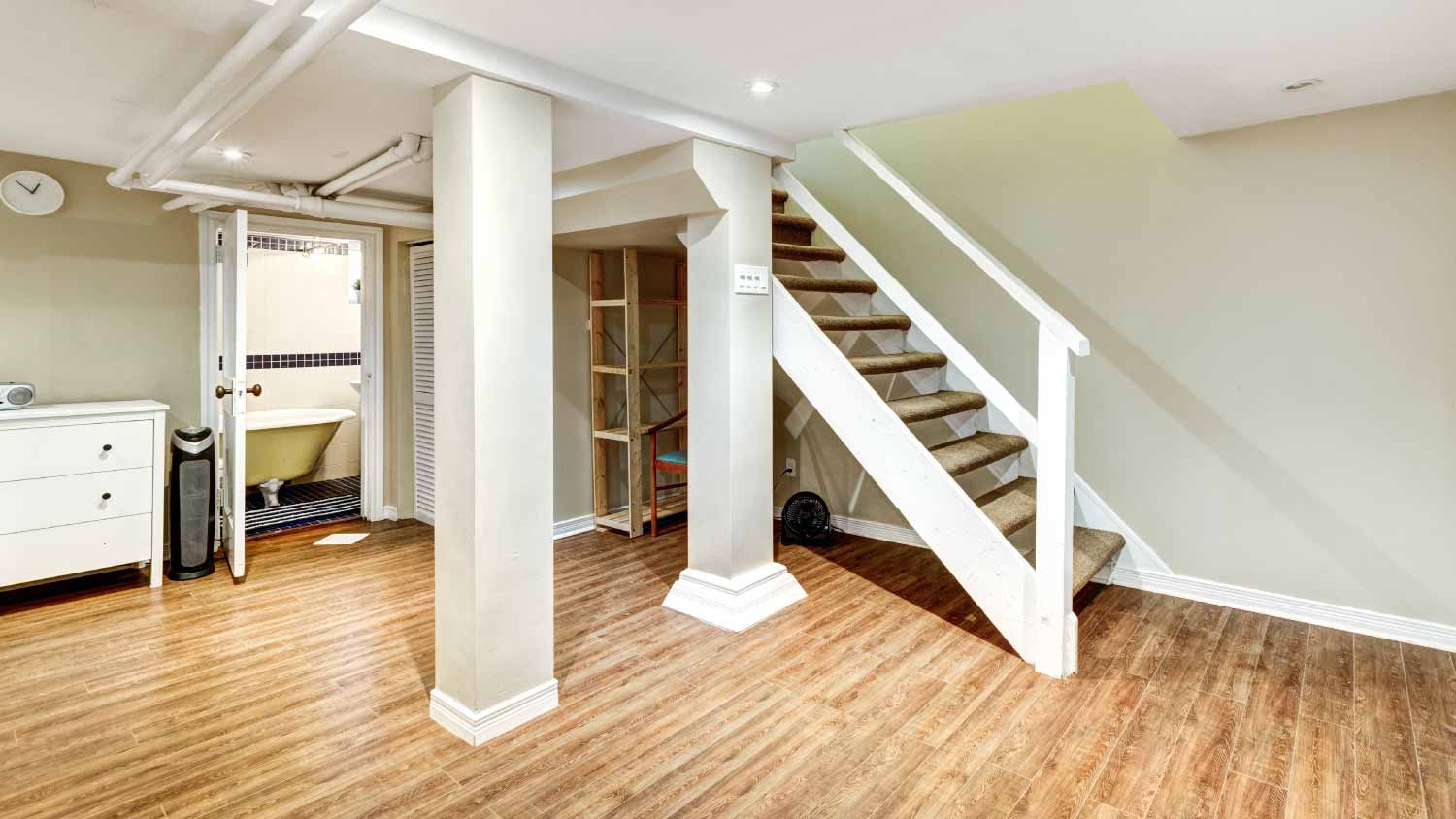
An unfinished basement has a lot of potential for a family room or guest suite. So how much does it cost to finish a basement? Read on for all cost factors.
Dealing with a damp basement? Follow these steps for DIY basement waterproofing to keep water and moisture out and boost your home’s energy efficiency.
Can’t seem to get rid of the moisture and mold in your basement? Learn why basements tend to hold moisture and how to get rid of moisture in the basement.