Top-rated concrete mudjacking pros.

Get matched with top concrete mudjacking pros in Mammoth Lakes, CA

Enter your zip and get matched with up to 5 pros

Need a pro for your concrete mudjacking project in Mammoth Lakes, CA?

Select your specific project to find the pro for you.

Find Concrete mudjacking pros in Mammoth Lakes

Avatar for Mega Power Electric, Inc
Mega Power Electric, Inc
5.0(
191
)
Concrete - Injection Leveling - MudjackingConcrete - Injection Leveling - Mudjacking - For Business

Serving Mammoth Lakes, CA and surrounding areas

In business since 2000

Free estimates

Emergency services offered

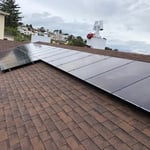
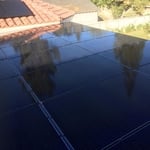
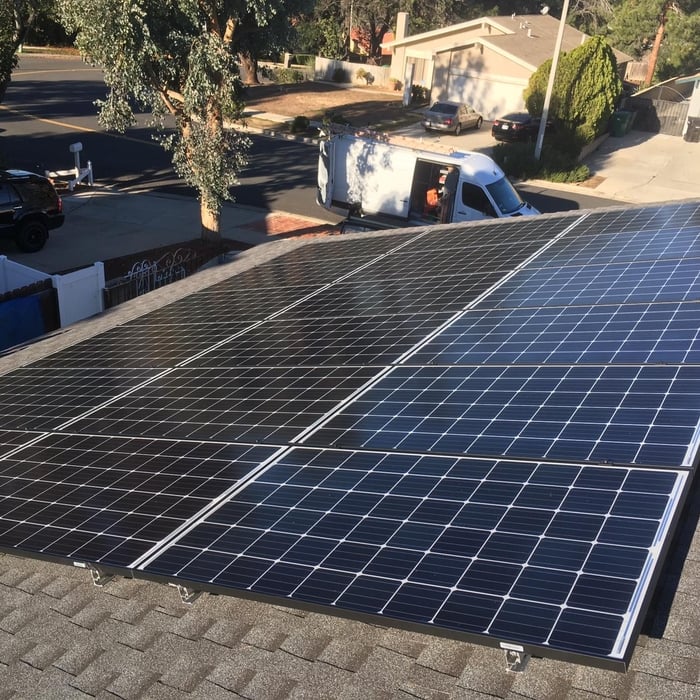
Founded in 2000, for over 20 years Mega Power has been one of the premier solar companies in all of California, including many cities like Los Angeles, Riverside, Santa Clara, Granite Bay, Van Nuys, San Francisco, San Jose, Pasadena, Sacramento. Complete customer satisfaction, personalized approach and attention to details are our company’s intrinsic core values. We are providing the highest quality service as we enable our customers to save money, increase their property value and help improve the environment. Our team of certified professionals takes genuine pride in giving smooth, practical, Eco-friendly and positive solutions to our residential, commercial and industrial customers’ needs. All equipment and services meet both National Electrical Code requirements and local building codes. Mega Power offers a range of options toward green and energy-efficient solutions to all electrical power needs. We have extensive experience in building a complete solar panel system of all sizes on the roof or on the ground. Mega Power installs them with interconnection to the utility provider so that you could successfully sell excess electricity.

Additional Photos
Additional Photos
Additional Photos
Additional Photos
Additional Photos

+32

Recommended by100%of homeowners
Concrete Mudjacking questions, answered by experts

Trenching and boring are two distinct methods for installing underground utilities. Trenching involves digging a channel using equipment like an excavator, trencher, backhoe, or shovel. While it is a simpler process, it causes significant disruption to the surface, landscaping, and surrounding ecosystems.

Boring, also known as directional boring, is a less invasive alternative that uses a drill to create a tunnel for utility lines without disturbing the surface. This method is more precise and is ideal for installations that need to go underneath buildings, roads, or bodies of water. Although boring is less disruptive, it is generally more expensive than trenching.

A sinking foundation can be lifted, most often by installing piers to re-level and support the weight of the house. Depending on the cause and extent of the sinking, other methods to lift a foundation include underpinning and mudjacking. Consult a foundation repair pro to determine the best way to lift your sinking foundation. 

It’s best not to perform mudjacking in the winter unless the ground temperature remains above freezing. Freezing temperatures can cause the slurry to harden too quickly, compromising its strength and longevity. Concrete is also more susceptible to cracking and splitting in cold temperatures, so there’s a higher risk of damaging the slab during the drilling and lifting process in winter.

The average cost for mudjacking is around $1,200, though prices can range from $300 to $3,400. On a per-square-foot basis, you can expect to pay between $3 and $8, with an average of about $5 per square foot. The final cost depends on several factors, including the square footage of the concrete, the type of slab, its accessibility, whether it is load-bearing, and the type of material used to lift it. Generally, lifting a driveway, small patio, or sidewalk is less expensive than lifting a slab foundation or garage floor.

Polyjacking and mudjacking can both be effective solutions for sinking concrete, but they have key differences. Polyjacking, which uses expanding polyurethane foam, is often considered a better option because the foam is significantly lighter than the cementitious material used for mudjacking. This reduced weight puts less pressure on the underlying soil and lowers the risk of future sinking. Polyjacking is suitable for any sinking concrete slab, while mudjacking is typically only recommended for non-structural concrete, such as sidewalks, patios, pool decks, and driveways. The primary drawback of polyjacking is its cost, which can be up to four times higher than mudjacking—as much as $25 per square foot compared to a maximum of about $6 per square foot for mudjacking.

The Mammoth Lakes, CA homeowners’ guide to concrete mudjacking services

From average costs to expert advice, get all the answers you need to get your job done.