"It went very well. He never varied from his estimate of labor costs and there was only a few extra supplies that needed purchasing after his original materials estimate but that was usually for extra work we asked him to do as the project progressed. There were a few times when we observed things that we preferred another way (such as the color of paint used on the vents) and when they were brought up with him he adjusted very quickly. Much of the work was done while we were on vacation and we trusted Ceaser with the keys to our house. We're very happy with the final result. "
Neglected maintenance can lead to odors, fire hazards, impaired airflow, and reduced range and hood operation efficiency.
Yes, professionals can often retrofit models with minimal disruption.
No, range hoods do not necessarily have to be vented outside. Ductless or non-vented range hoods are available, which are common in condos or small kitchens where connecting to external ductwork isn't feasible. These hoods operate by taking in air, filtering it through charcoal filters to help eliminate smoke and odors, and then recirculating the cleaned air back into the kitchen. However, while these recirculating hoods are more versatile, venting to the outside is still the preferred and more effective method for completely removing smoke, odors, and gases from the room.
Most residential range hoods have a CFM between 200 and 600. A higher CFM means your range hood is better at removing smoke and odors from your kitchen. The measurement ultimately depends on your stove’s width and heat output as well as the size of your kitchen.
Compared to the average size of a stove and kitchen, 350 CFM would be the minimum recommended rating for the average kitchen. However, selecting a higher CFM range hood would guarantee better ventilation to match your cooking habits, whether they’re minimal or extensive.
Typically 1-2 hours, factoring in ductwork and electrical connections.
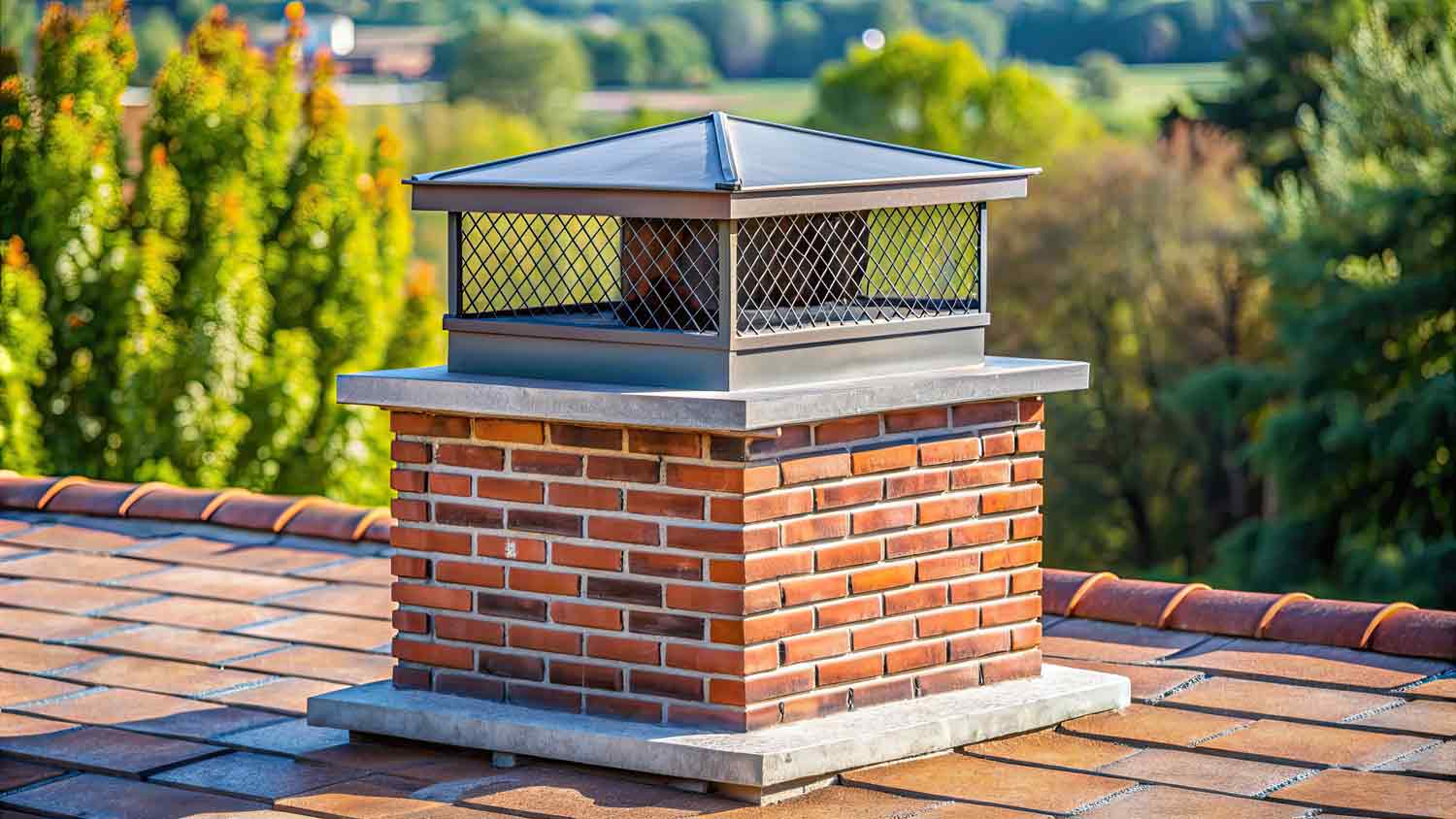
The Fresno, CA homeowners’ guide to chimney cap services
From average costs to expert advice, get all the answers you need to get your job done.
The average cost to repair or replace a chimney crown depends on the damage, material, and any other chimney maintenance services bundled into your project.
Sealing your chimney is one of the most affordable ways to prevent water from penetrating the bricks. This guide breaks down the cost to seal a chimney.
Not all chimneys have caps, but most fireplaces can benefit from having one. But what is a chimney cap, and why is it important? Our guide breaks it all down.