"The kitchen remodel with Ocean Seven Builders went smoother than we thought it would. Ron stayed involved throughout the process and kept us updated on progress. The quality of the cabinets and flooring is excellent, and the installation looks very precise. Overall, it was a solid experience with a good end result!"
"Joshua is great! I purchased the toilets at Home Depot and arranged for Joshua to pick them up. Well HD Lancaster location only had two of the HE toilets that I wanted, so the 3rd toilet was picked up in the HD Palmdale store. Joshua did all this with pleasure. He was on time, work was completed superbly and cleanup was on point. I will always call on Joshua for my Handyman needs..."
Costs depend on material type, design complexity, and additional features like lighting or gutters.
The average cost to build a pergola ranges from $2,200 to $6,400, whereas the average cost of an awning ranges from $1,400 to $4,400, meaning that an awning tends to be less expensive to build or install than a pergola. Ultimately, the less expensive option depends on a few factors, including size, quality of materials used, and location.
Costs range from $1,500 to $5,000, depending on size, material, and design.
Minor fabric patching is DIY-friendly, but frame and mechanical repairs should be professionally handled.
It’s not a good idea to allow heavy rain to fall on your awning, as puddling can occur and overload the awning. Your awning should be able to handle a light rain, though you should allow it to dry out before retracting it or open it to dry as soon as the rain stops. As always, consult manufacturer guidelines for using and caring for your awning.
The Coleville, CA homeowners’ guide to awning services
From average costs to expert advice, get all the answers you need to get your job done.
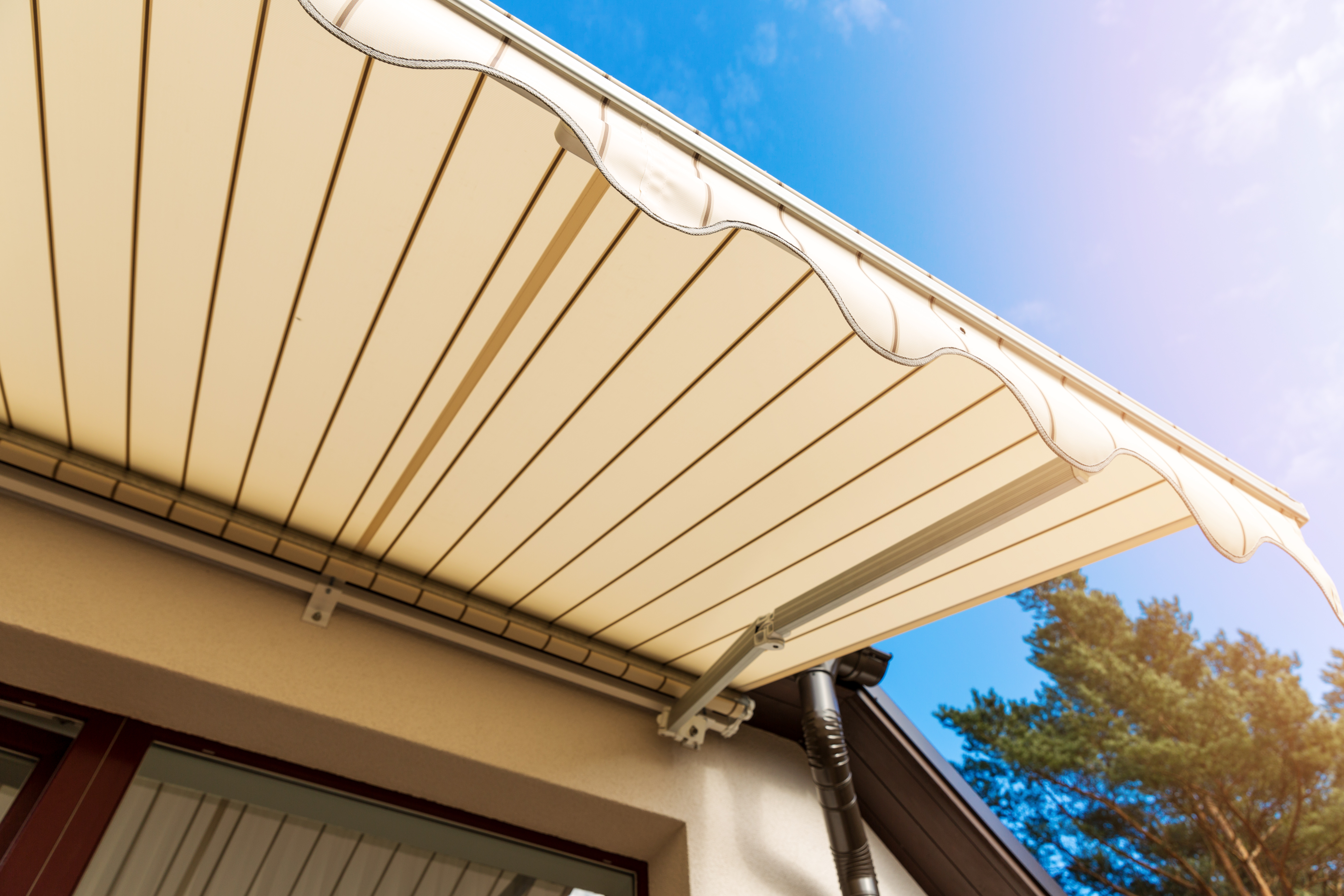
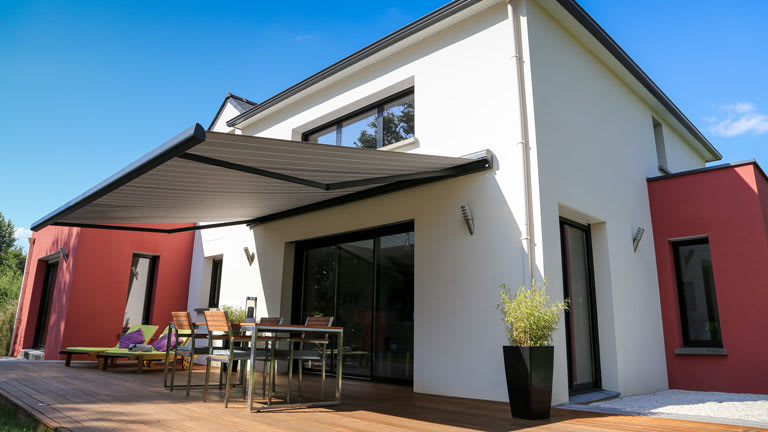
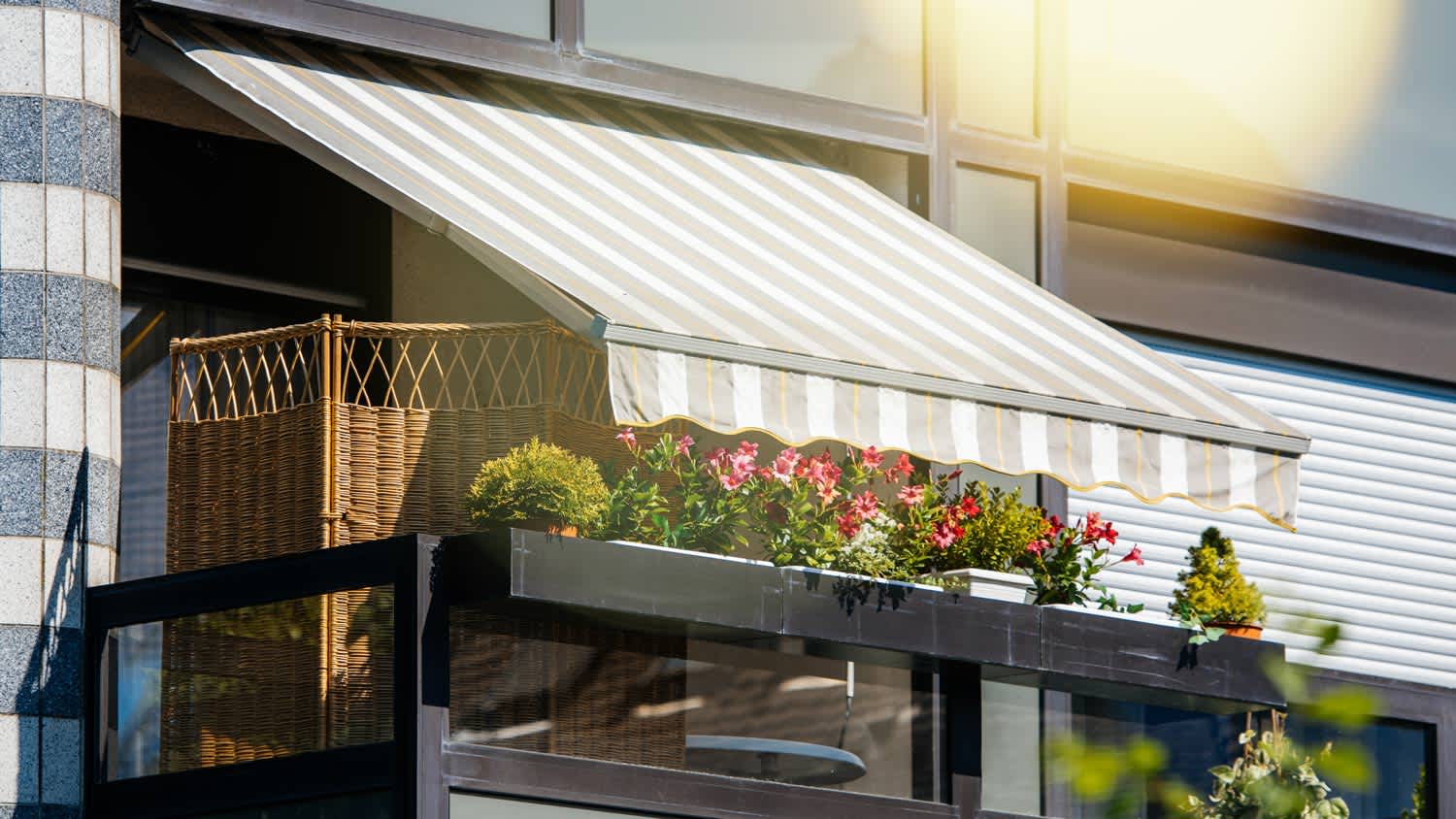
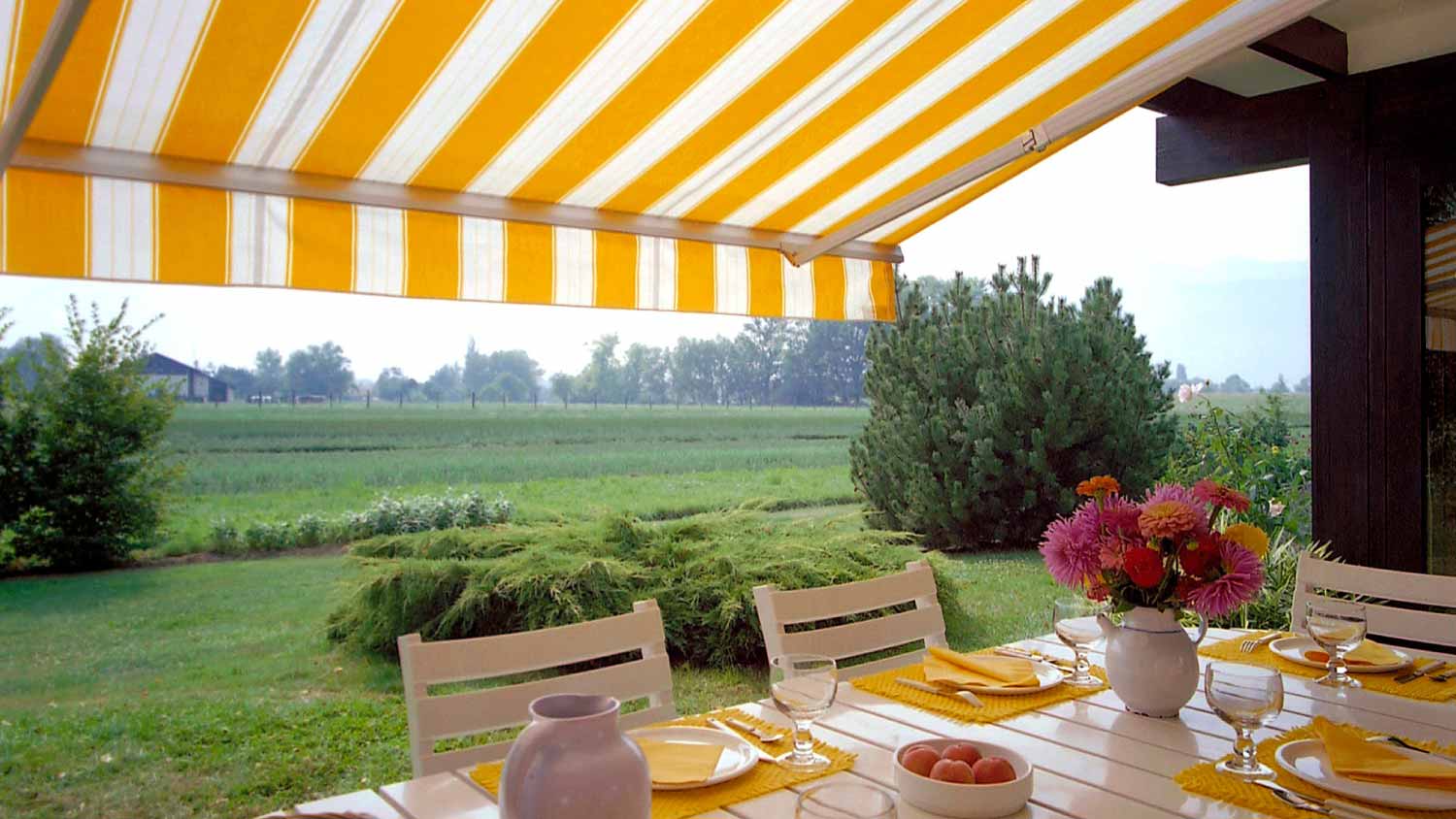
Need an awning that provides shade, comfort, and maybe some privacy from nosy neighbors? Use this guide to find the best awning for your home and lifestyle.