The best times of year to pump or empty a septic tank are spring and fall. Many professionals recommend spring because the ground has thawed, making the tank easier to access, and any snowmelt or rainfall can aid in proper drainage. Pumping before summer is also ideal to avoid conflicts with vacations or outdoor gatherings.
Fall is another great option, as contractors may be less busy than in the spring. Servicing the tank in late fall or early spring can also reduce the risk of overflow from extra precipitation during winter and spring.
While summer is a possibility, winter is generally not recommended. The ground is often frozen, which can make it difficult to access the tank, and the waste inside may also be frozen.
The bacteria already present in your septic system should be enough to break down solids in a properly maintained septic tank. However, if you’re in a DIY mood, you can try adding (well-mashed) rotten tomatoes to help the good bacteria fulfill their duty. Just make sure you give them a couple hours to work after flushing them down.
Disposing of old paint, bleach, oil, and fertilizer should be handled by a company that specializes in this kind of waste. Many private junk removal companies do not dispose of these items. Because these materials are hazardous to the environment and dangerous to handle or dispose of improperly, you should confirm with your local municipality about places to take hazardous materials for safe disposal.
Over time, your septic tank can accumulate a buildup of sludge at the bottom of the tank. If left unpumped and uncleaned, the sludge will back up into your pipes and home, causing failure and extensive (and smelly) damage. Repairs to your septic system can be costly, which is why regular maintenance is required. It takes about 30 minutes to pump a septic tank that’s 1,250 gallons or less or 1 hour for larger varieties.
It only takes a few days for a septic tank to fill with water after a pro has pumped it. This is completely normal, and the water is a vital part of your septic system’s wastewater treatment process. The water that fills your tank days after pumping is not the same as the tank being filled with waste. You shouldn’t have to pump your septic system more than once every three to five years unless you have a tank that’s too small for your home’s water output or there’s a problem with your leach field.
The Coleville, CA homeowners’ guide to aquarium services
From average costs to expert advice, get all the answers you need to get your job done.
Discover mosquito control service cost estimates, including average prices, key cost factors, and tips to save on professional mosquito treatments for your home.
If you’re moving, you need to consider distance, weight, packing, and more. Our guide provides the average cost to move a 3-bedroom house long distance.
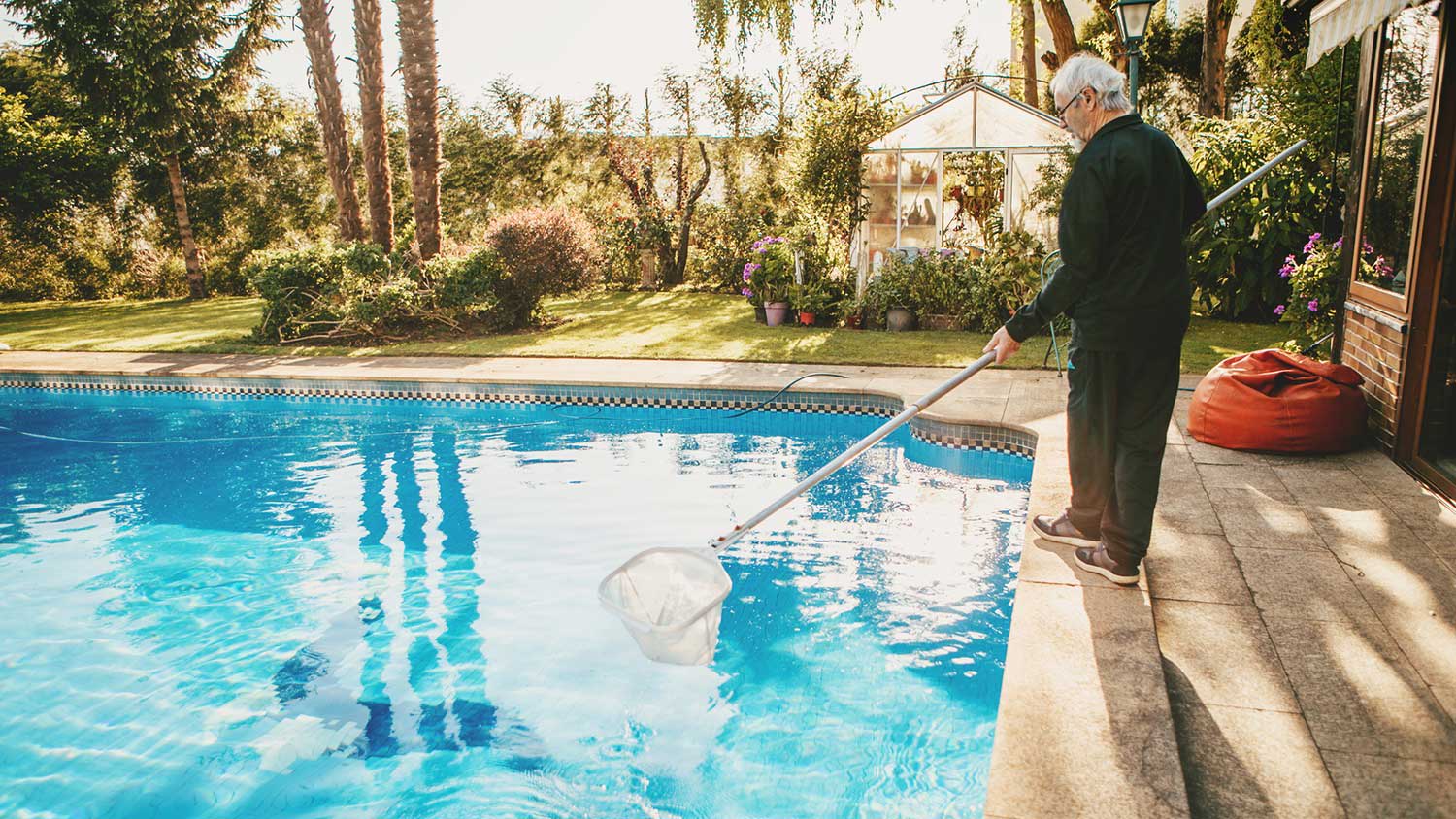
If you live in an area without very cold winters but tempted to close your pool during the cooler months, read on. We dive into the many benefits of winter service.
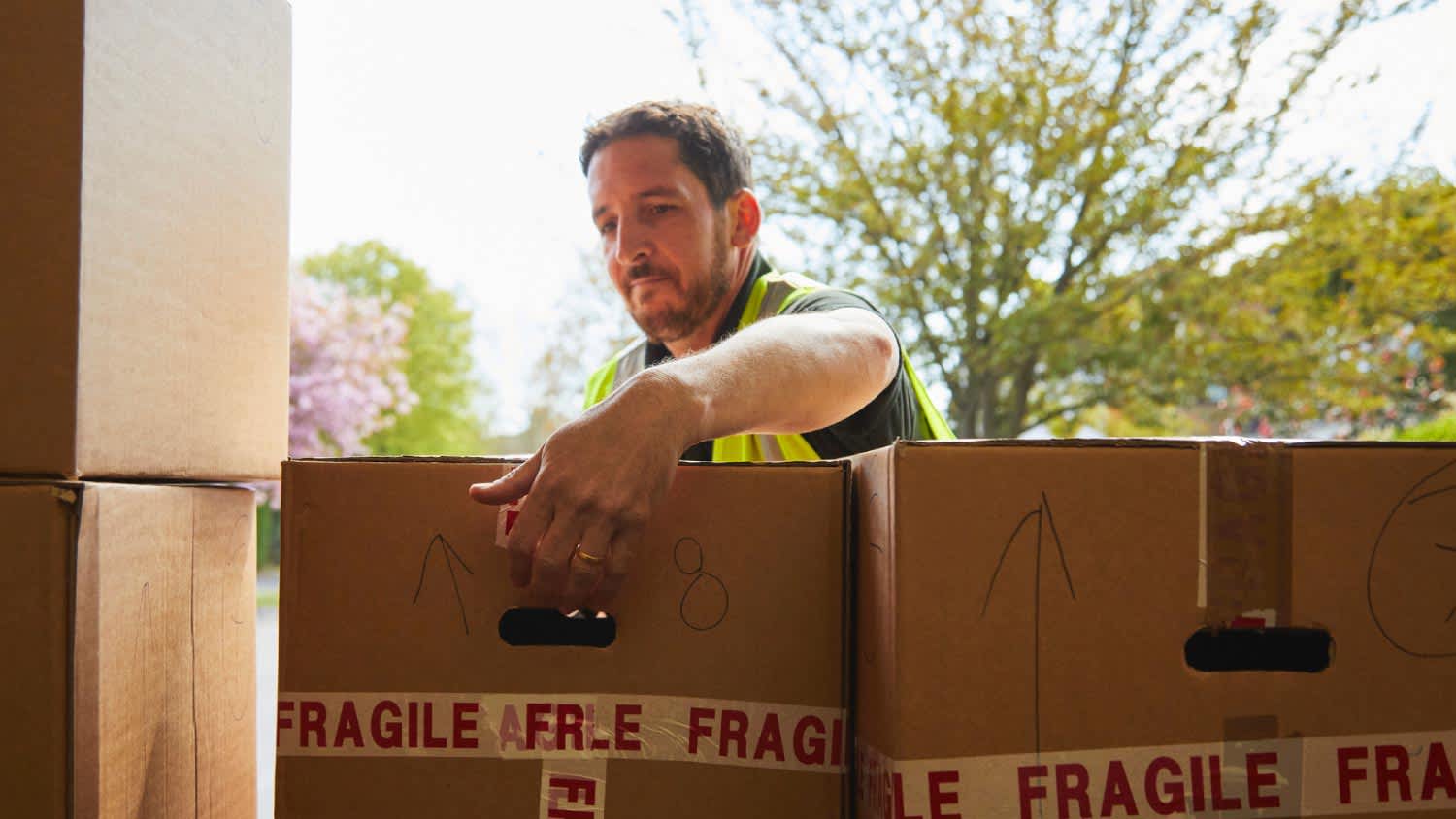
Learn about home items that are nearly impossible to move without movers, either because they are awkwardly shaped, too heavy, or require special equipment.