Doorbell Installation questions, answered by experts
Structural insulated panels and rigid foam boards have the highest R-value of any insulation that contractors commonly use, with R-values reaching up to around 8.0. These types of insulation are best in extremely cold climates, but they’re generally preferred for new construction, as they can be challenging to retrofit. Blown-in and loose fill insulation provide the next best insulative value, provided the installation is done properly. It’s important to choose an insulation type that meets your needs based on climate, as maximizing R-value may not always be financially worthwhile if you live in a moderate climate.
If you’re using faced insulation with paper, face the paper toward the inside of the room during the installation process.
A good way to remember this is that the paper should face the “warm side” as it’s the vapor barrier, meaning it should face toward where the heat will be coming from.
The best type of attic insulation depends on where you live, your budget, and what stage of construction the attic is in. For example, if you're building a house, then structural insulated panels are a worthy investment since they're easy to install during construction and they're the most energy-efficient type of insulation.
Additionally, if you live in a very warm climate, then you can potentially save quite a bit of money by opting for reflective insulation, which is more affordable than comprehensive insulation but doesn't work well for cool climates. Blown-in, loose-fill, and spray foam insulation are all great options for attics in moderate climates.
Installing insulation helps reduce energy usage, improve home comfort, and lower utility bills by maintaining stable indoor temperatures year-round.
The best type of insulation for your home depends on your specific needs, climate, and the area you are insulating. For new construction, structural insulated panels are a highly energy-efficient option that is easy to install during the building process. In very warm climates, reflective insulation can be a cost-effective choice. For cold climates, fiberglass is an excellent option due to its high R-value and resistance to settling over time. Spray foam works well in humid environments because of its moisture-resistant properties. For standard attics, loose-fill, spray foam, or blown-in insulation are all suitable options.
The Polacca, AZ homeowners’ guide to doorbell installation services
From average costs to expert advice, get all the answers you need to get your job done.
Ring a bell? From replacing a wired doorbell to setting up a smart home system, learn about typical doorbell installation costs, including materials and labor.
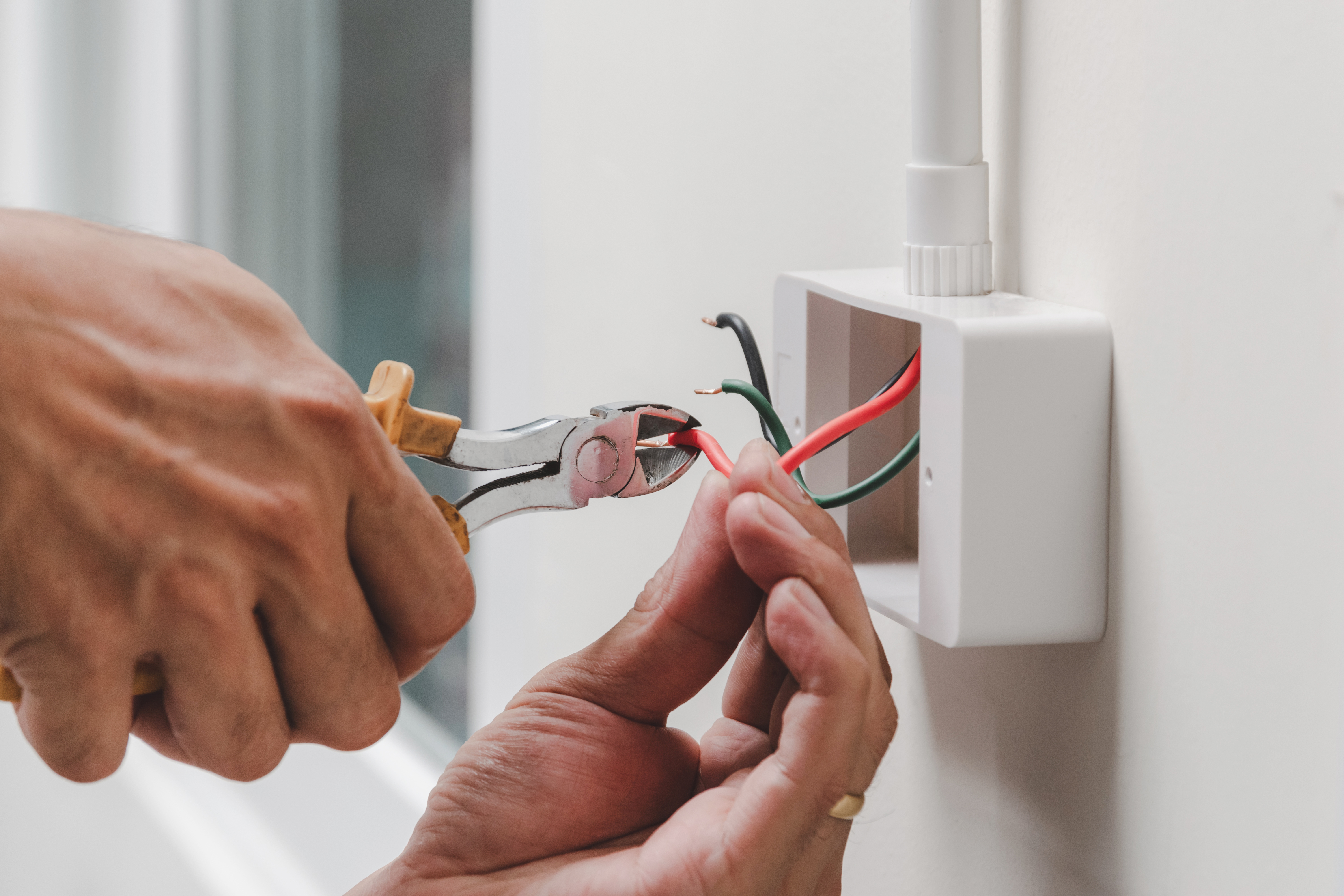
How much does it cost to install a doorbell camera? It depends on whether you plan to DIY or hire a pro. Learn about different models and their power sources, too.
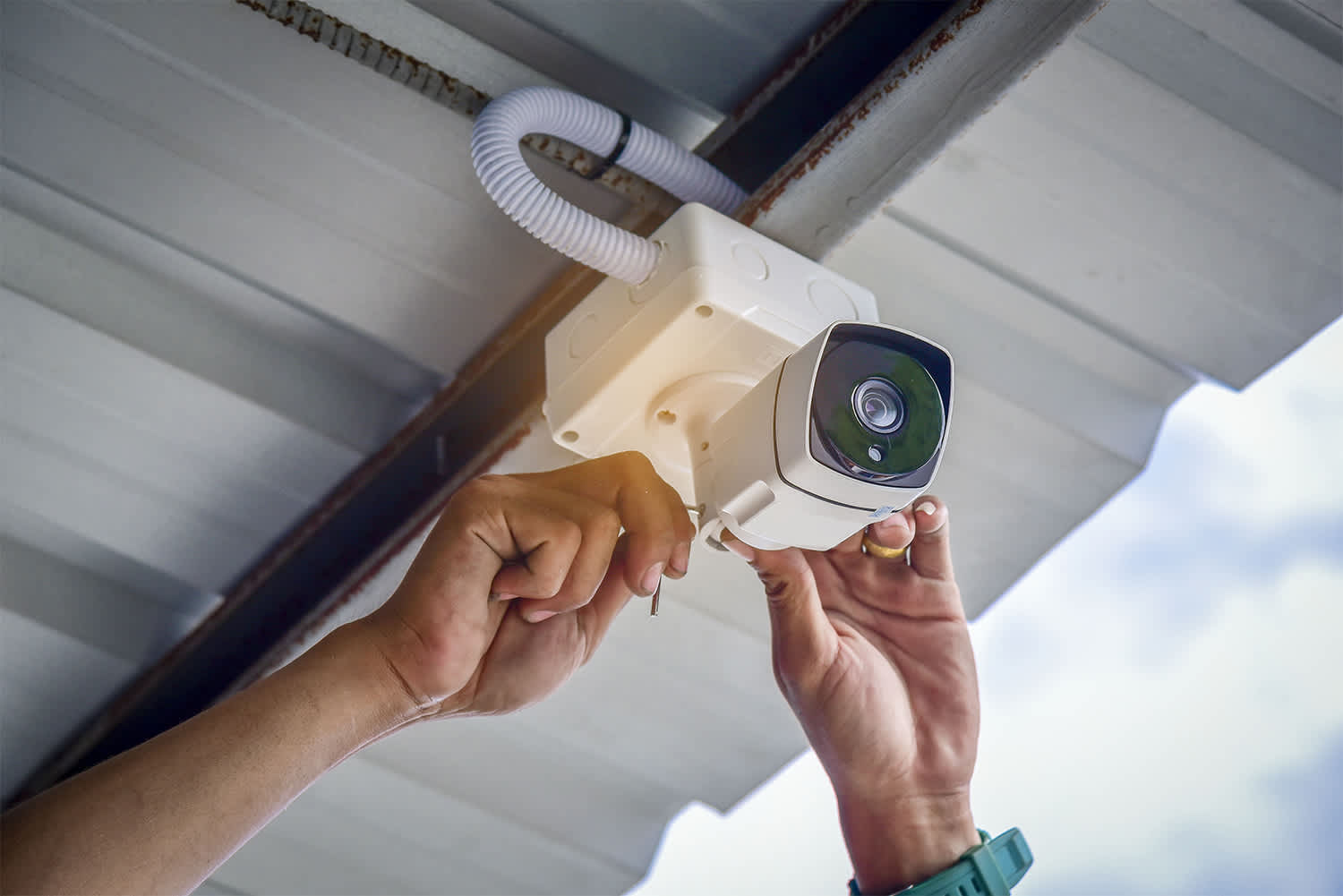
Doorbell wiring is a project you can DIY. This guide covers everything you need to know, from different types of doorbells to wiring, and how to remove an old doorbell.
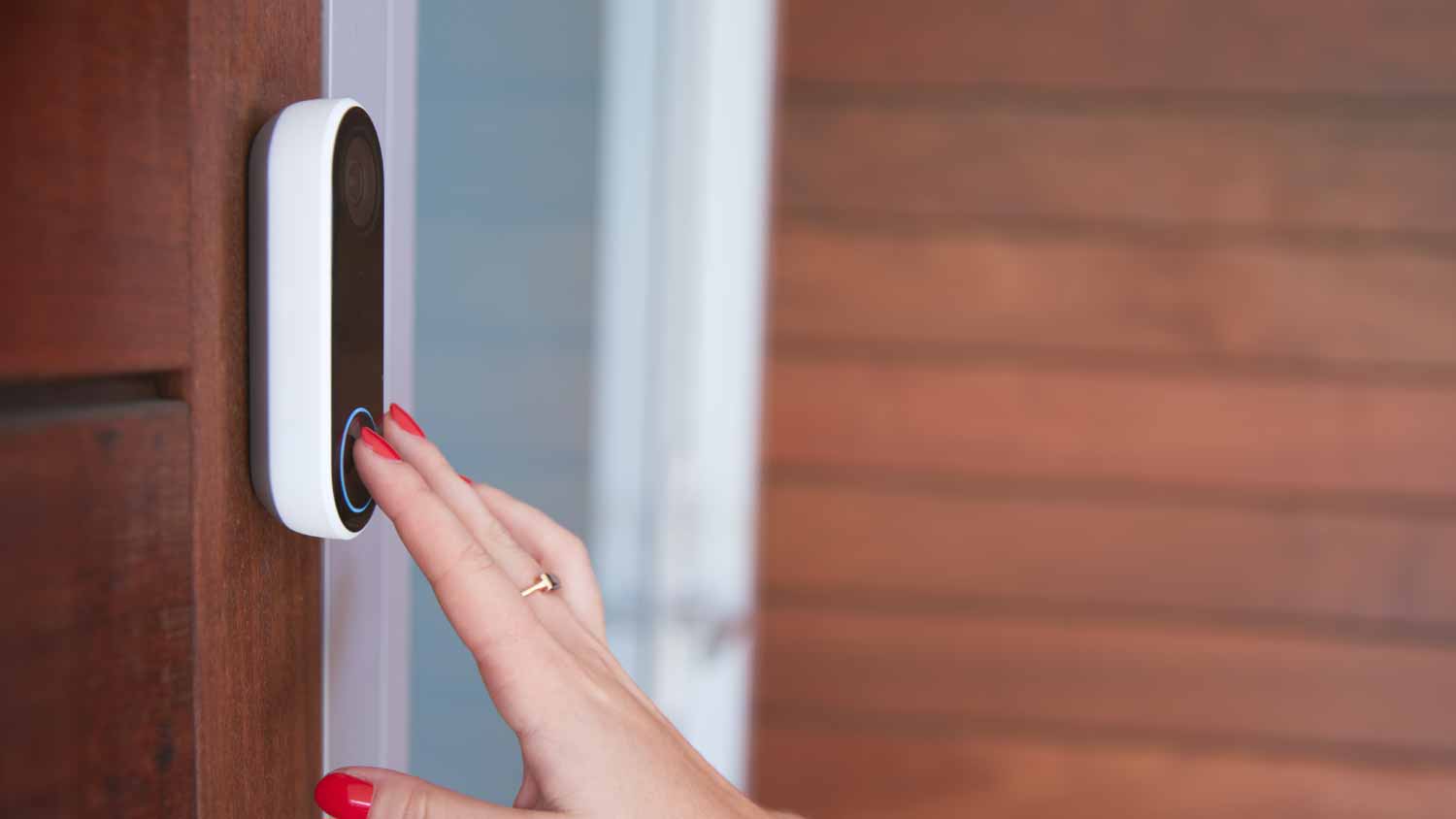
Ready to upgrade your front door and learn how to wire a doorbell? You may be able to handle this relatively simple DIY installation without an electrician.