We are a locally owned and operated company that values honesty and integrity in all aspects of our business. We offer a variety of lawn care and landscaping services that are customizable to each individual property. We pride ourselves on the quality of our work as well as our commitment to outstanding results. We look forward to building lasting relationships with our clients and guarantee your satisfaction! \n
We pride our company on reliability, great communication, integrity, and quality work. We are experts in our trade and will do our best to keep you as educated as we can on your particular task or project. We look forward to earning your business!
Bennett Dineyazhe Electric, is committed to excellence in every aspect of our business. We uphold a standard of integrity bound by fairness, honesty and personal responsibility. Our distinction is the quality of service we bring to our customers. Accurate knowledge of our trade combined with ability is what makes us true professionals. Above all, we are watchful of our customers interests, and make their concerns the basis of our business.
Zacherys is committed to excellence in every aspect of our business. We uphold a standard of integrity bound by fairness, honesty, and personal responsibility. Our distinction is the quality of service we bring to our customers. Accurate knowledge of our trade combined with ability is what makes us true professionals. Above all, we are watchful of our customers' interests, and make their concerns the basis of our business.
We take great pride in our experience, expertise, quality, and customer service that we provide to meet the consumer's needs. It is our mission to provide excellent workmanship and complete customer satisfaction from start to completion of a project. In order to understand the needs and expectations of our customers, we take great care to work and communicate with every customer in a professional manner. Our reputation is based on service, safety, and quality, regardless of how large or small the job.
Since 2009, our family-operated business has been dedicated to transforming homes and commercial spaces with care, precision, and creativity. With each member of our team holding over 10 years of professional experience, we bring unmatched expertise and a personal touch to every project. \n\n? Why Choose Us?\n- Residential & Commercial Cleaning and Organizing ? We go beyond surface cleaning. Our detail-oriented approach simplifies and organizes your space so it truly supports your daily lifestyle. \n- Interior & Exterior Painting ? Expect clean, crisp lines and flawless finishes that refresh and elevate your property. \n- Interior Design & Decorating ? With years of creative design experience, we craft spaces that reflect your personality, values, and environmental goals. \n- Lawn & Yard Work ? From routine care to finishing touches, we deliver professional results that make your property shine. \n\n? Our Promise to You\nWe believe every project should feel personal, empowering, and tailored to your needs. That?s why we offer customized, budget-friendly services designed for both individuals and businesses. Whether it?s organizing a busy household, painting a storefront, or designing a welcoming interior, we treat your space as if it were our own. \n\nCustomer satisfaction is at the heart of everything we do. Our attention to detail, commitment to quality, and passion for creating beautiful, functional environments ensure that when you hire us, you?re not just getting a service?you?re gaining a trusted partner in making your vision a reality.
Liam Gonzalez is committed to excellence in every aspect of our business. We uphold a standard of integrity bound by fairness, honesty, and personal responsibility. Our distinction is the quality of service we bring to our customers. Accurate knowledge of our trade combined with ability is what makes us true professionals. Above all, we are watchful of our customers' interests, and make their concerns the basis of our business.
Ernz Painting is dedicated to providing our customers with the best quality and craftsmanship. We are here to build relationships with our customers and communities. No job is too big or too small! We look forward to working with you!
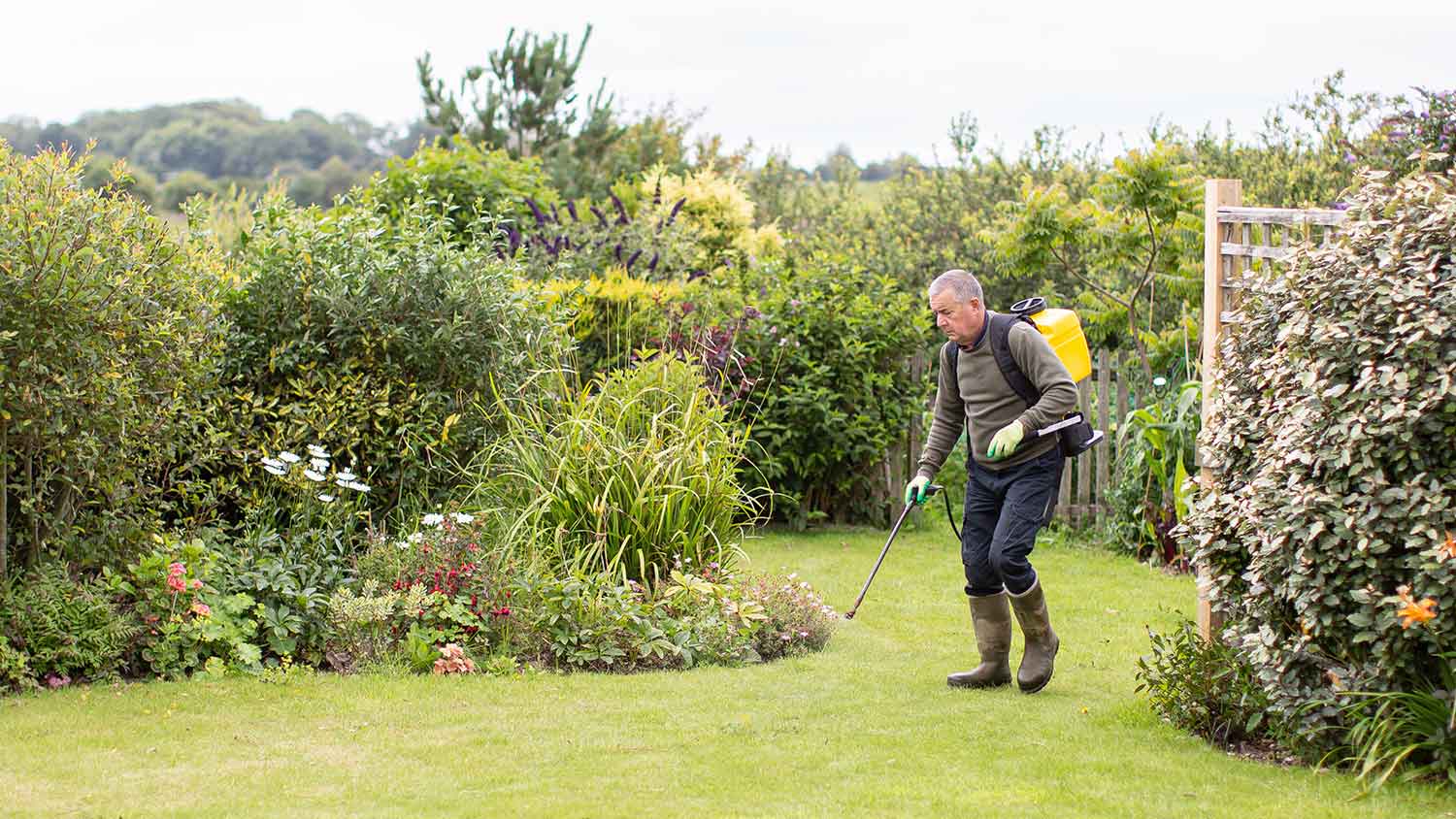
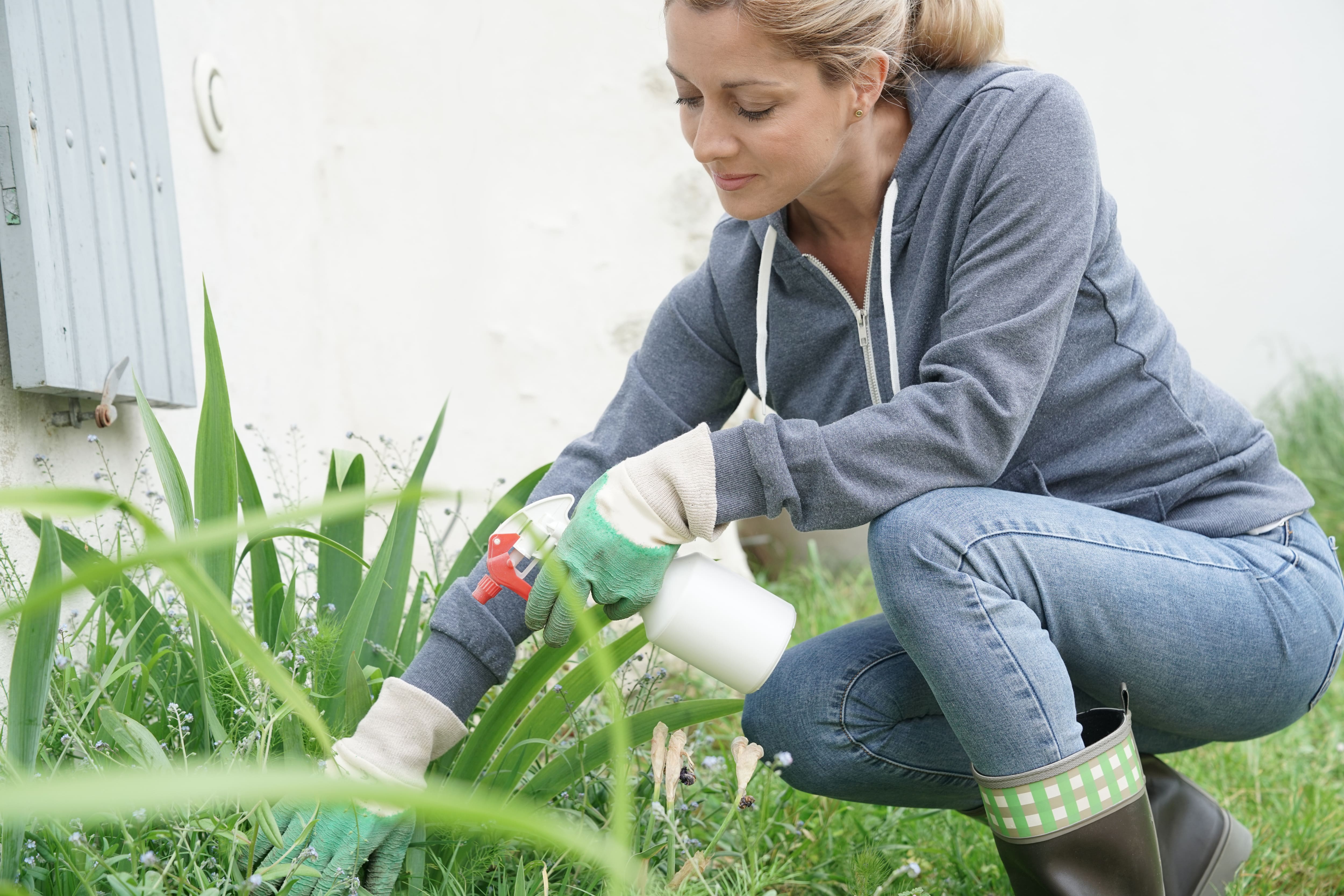
There are organic herbicide options that will kill grass but not flowers, including white vinegar or a dish soap solution. Commercial selective herbicides can also target grass over other plants, but read the instructions carefully to avoid damaging your garden. Herbicides that kill grass but not flowers usually include ingredients like clethodim and sethoxydim. Otherwise, your best bet will be to weed by hand.
Glyphosate and other non-selective herbicides can kill orchard grass, but they will also kill the surrounding plants. Also, not all areas allow the use of glyphosate due to its environmental impact—which the EPA describes as a "potential risk to terrestrial and aquatic plants and birds, and low toxicity to honeybees." Consider mechanical removal to target the plants specifically.
They regularly monitor health, applying preventative fungicides and providing customized care to reduce disease risks.
When hiring a lawn aeration professional, they may suggest other related services to get your lawn looking lush and fabulous. Prior to scheduling any of the following services, you should consult your lawn care pro about the order and timing of multiple projects to ensure best results for your grass. These services might include:
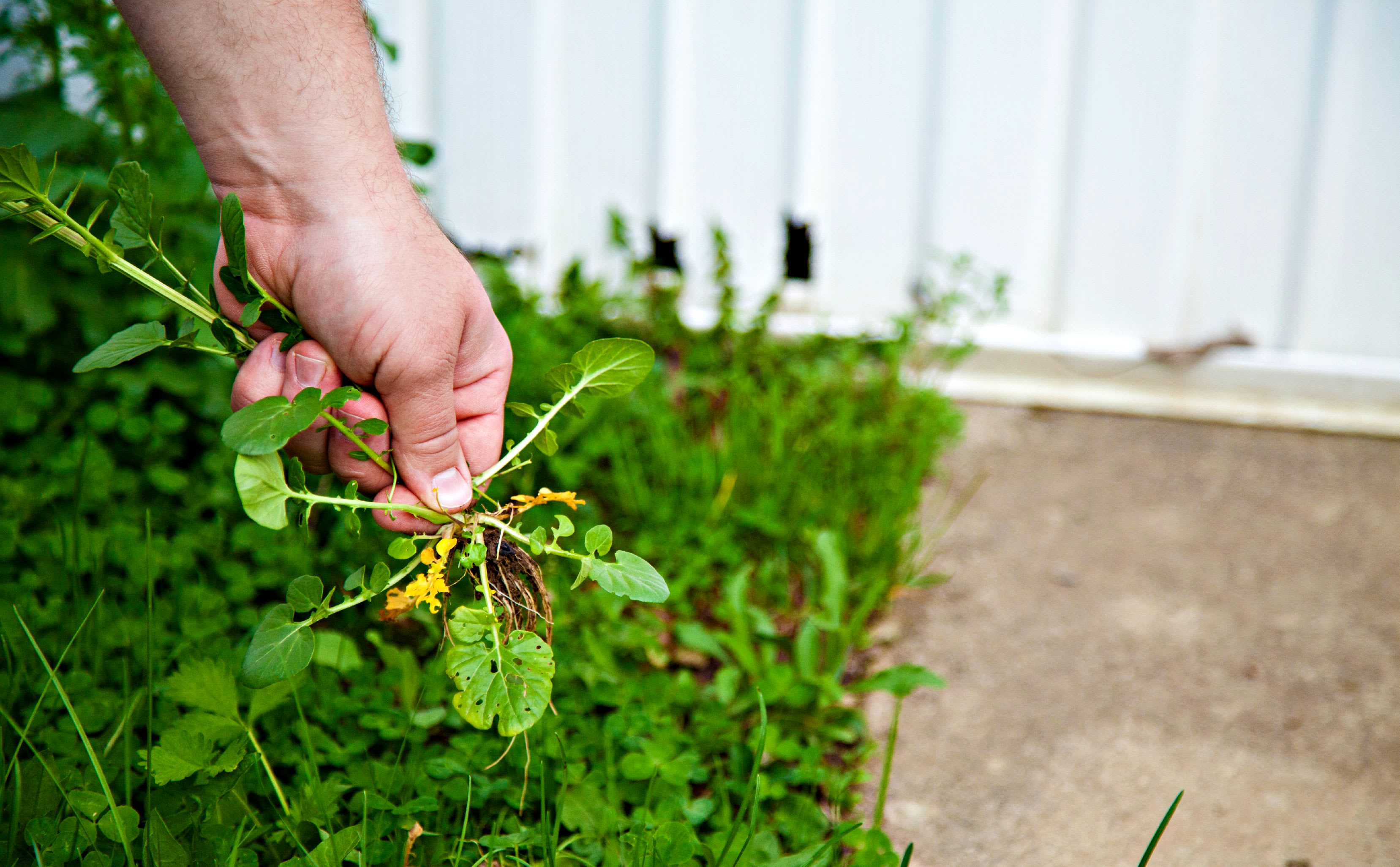
Pulling weeds can help keep them from taking over your garden or yard. Learn the best time to pull weeds to keep your outdoor spaces beautiful and healthy.
Planning a yard cleanup? Learn about weed removal costs, logistical concerns, and how to hire the right local pro to keep your landscaping healthy and lush.