"We are still in the budgeting phase and have not contacted yet however Scott Hughes of Groundwork’s was a great resource. He provided detailed information on the issues and how they would resolve them for us."
Here at Garcias Constructors we work hard every day to meet and exceed any Excavation,Grading,Asphalt prep, Drainage/Pipe, Gravel, Pads, projects you need done. Any type of Concrete.
Concrete Mudjacking questions, answered by experts
Costs range from $500 to $1,500, depending on the size and condition of the area.
It restores concrete, prevents replacement cost disruptions, reduces trip hazards, and provides stability at a lower cost.
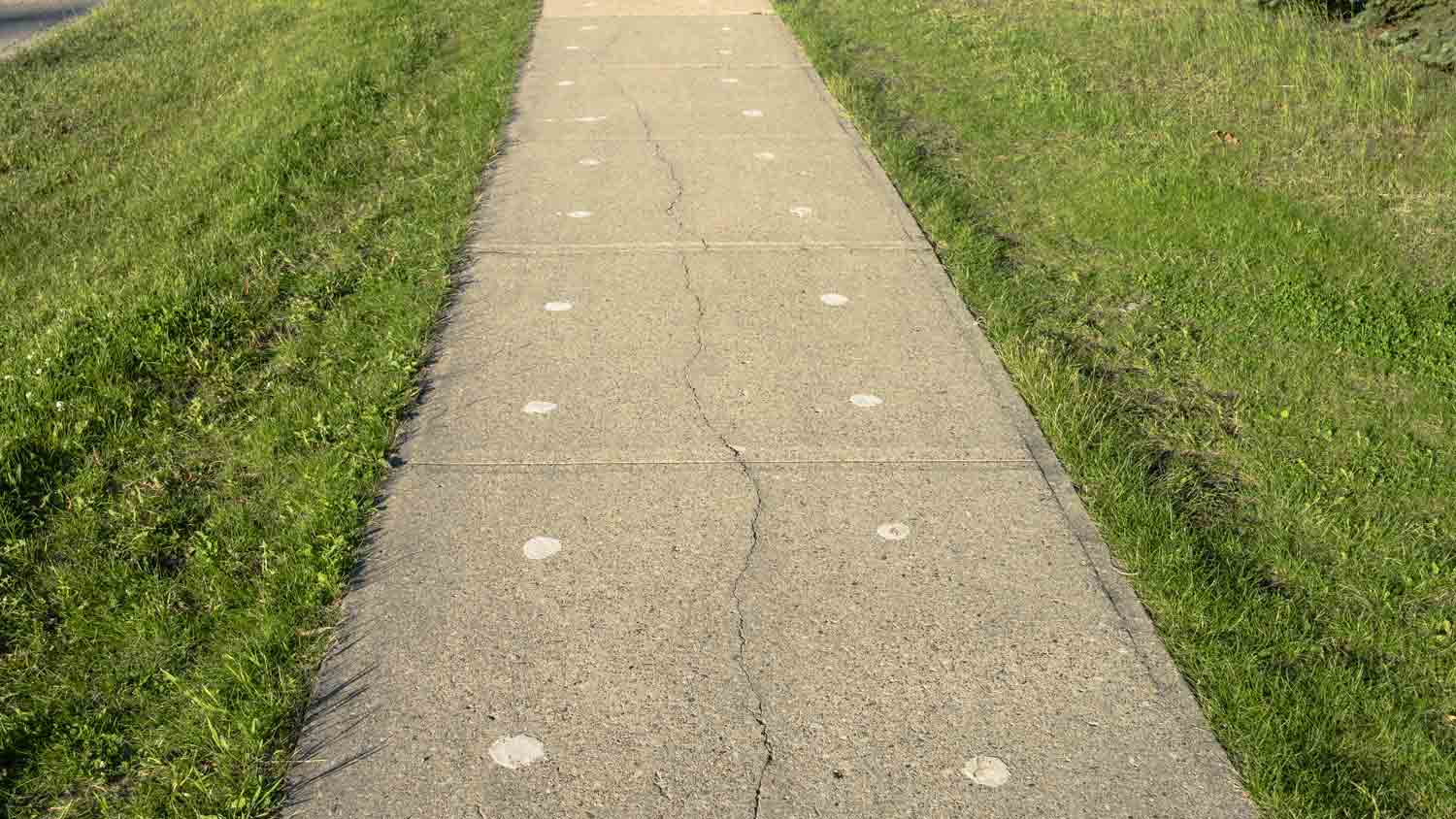
Common issues with concrete that may require professional repair or resurfacing include cracks, spalling, uneven surfaces, and weather damage.
Many contractors offer warranties for their work. Confirm terms before starting the project.
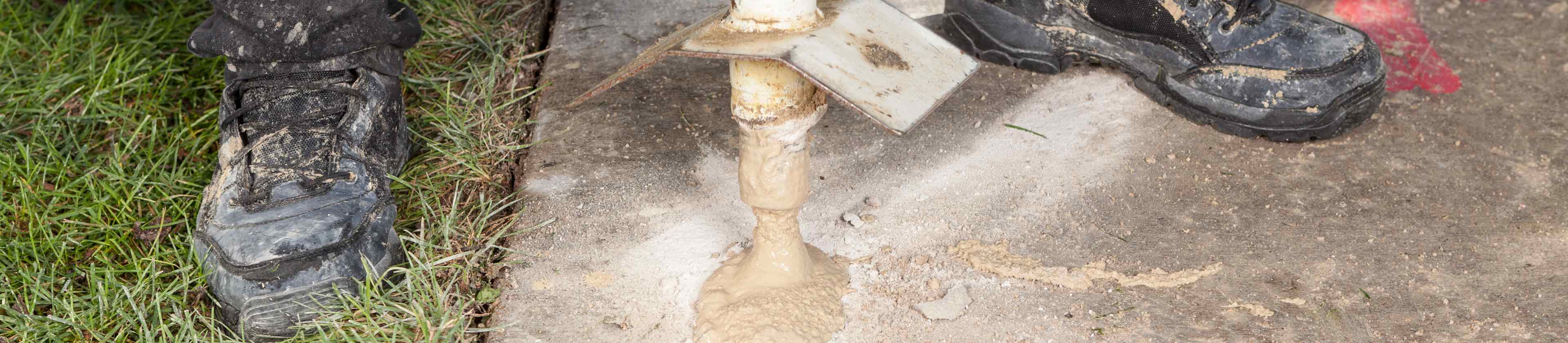
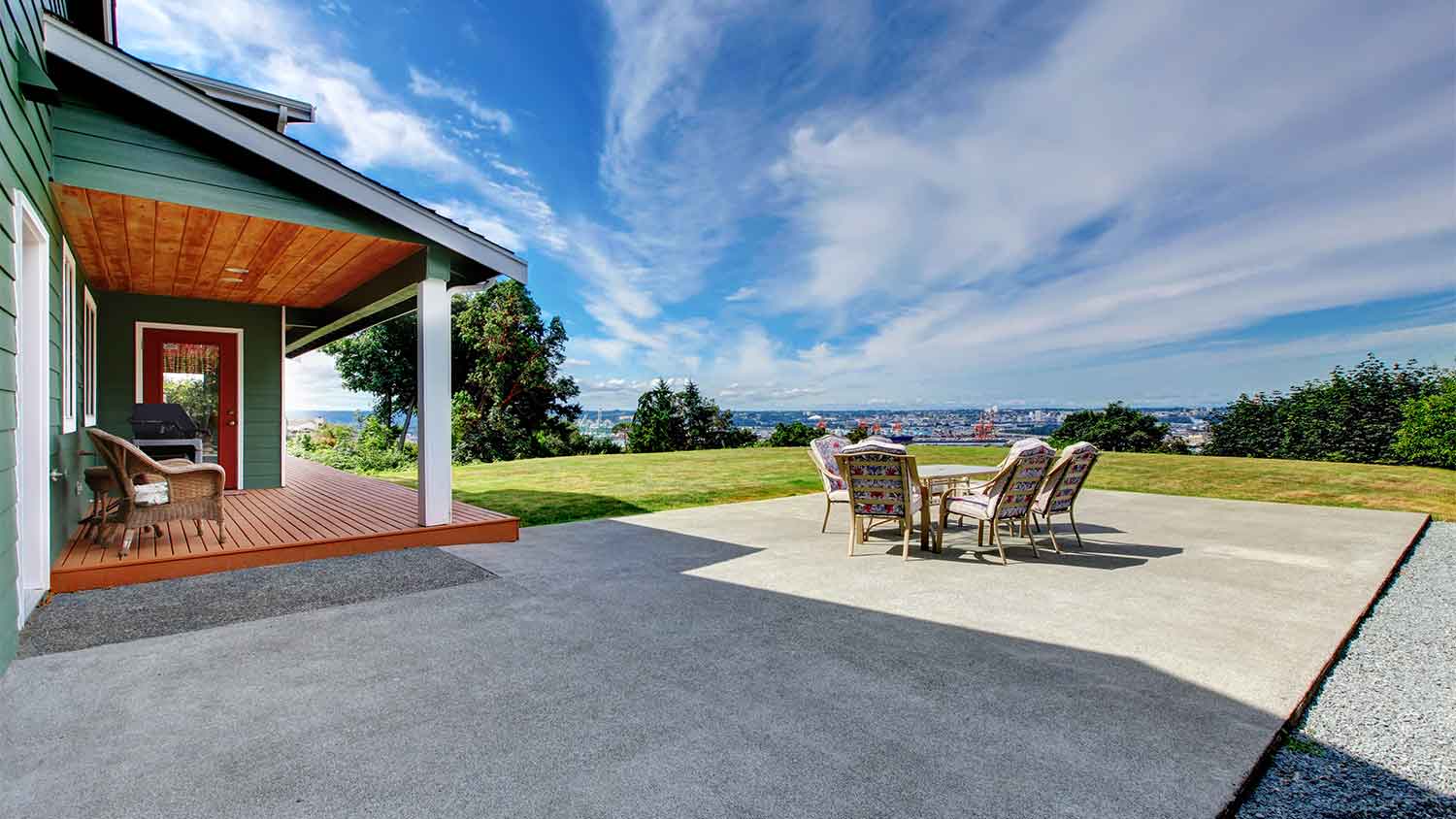
Mudjacking can be an expensive foundation repair process, but in many cases, it’s well worth the investment. This is especially true if you’re lifting a portion of sunken foundation slab back into place. In that case, mudjacking can help avoid major structural damage and even home collapse by restoring the integrity of your structure with minimally invasive procedures. Mudjacking a concrete patio, walkway, or sidewalk can be worthwhile because it removes tripping hazards and makes your outdoor area more aesthetically appealing.
The Ganado, AZ homeowners’ guide to concrete mudjacking services
From average costs to expert advice, get all the answers you need to get your job done.
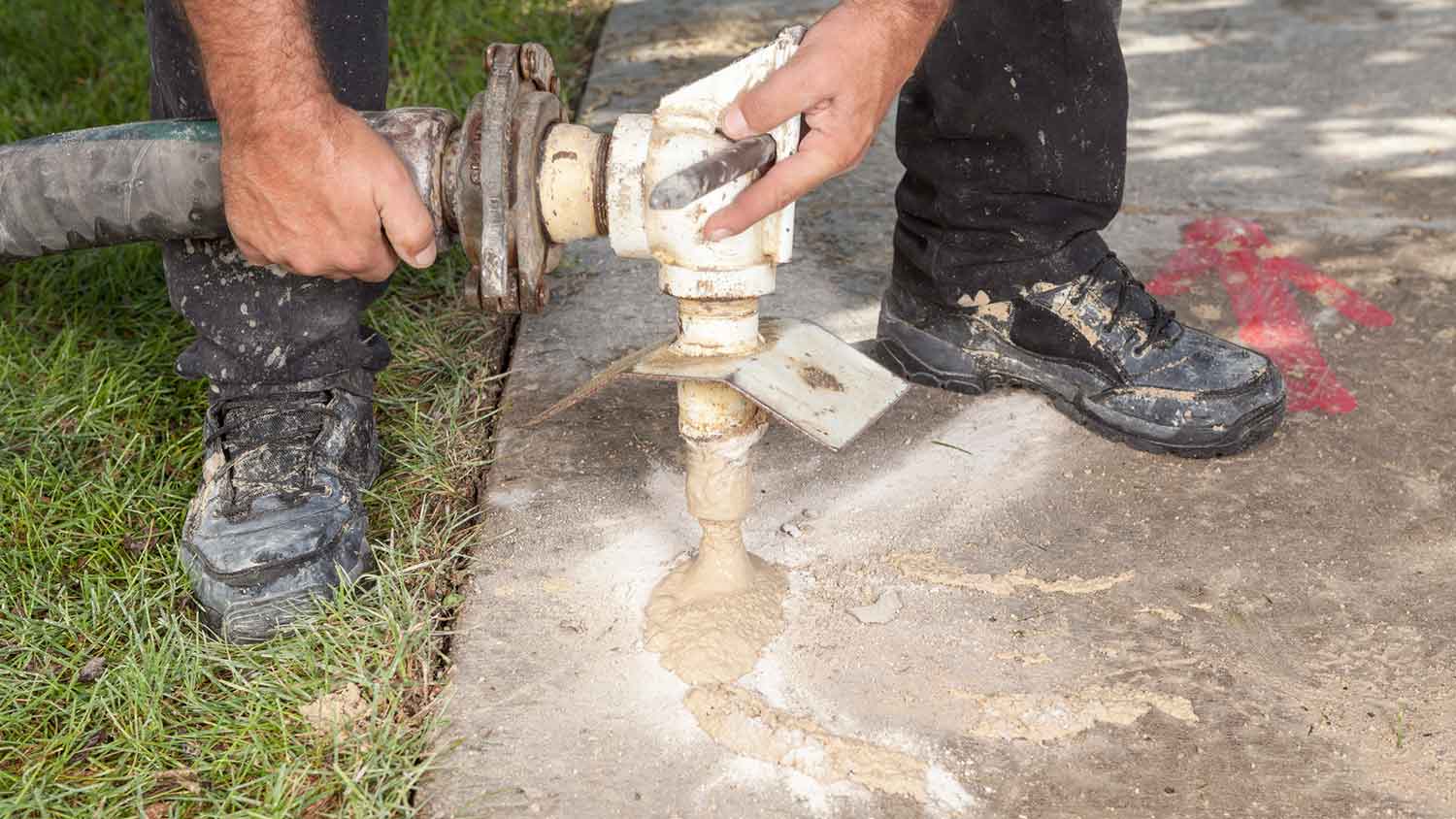
DIY mudjacking is an advanced task, but learning how to raise a concrete slab is great to know for many scenarios. Let's take a look at how to DIY mudjack.
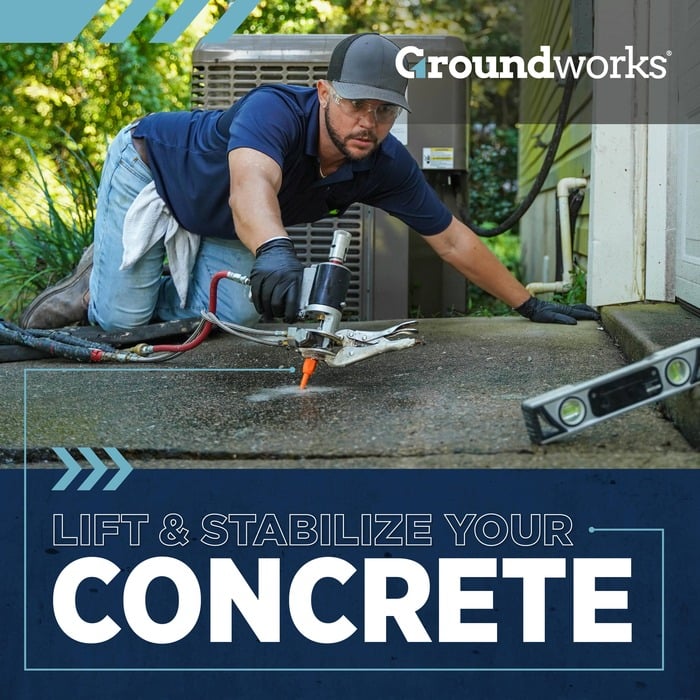
Sunken concrete can be a structural issue, but a professional can easily repair it. Ask these concrete injection leveling and mudjacking questions before you hire.