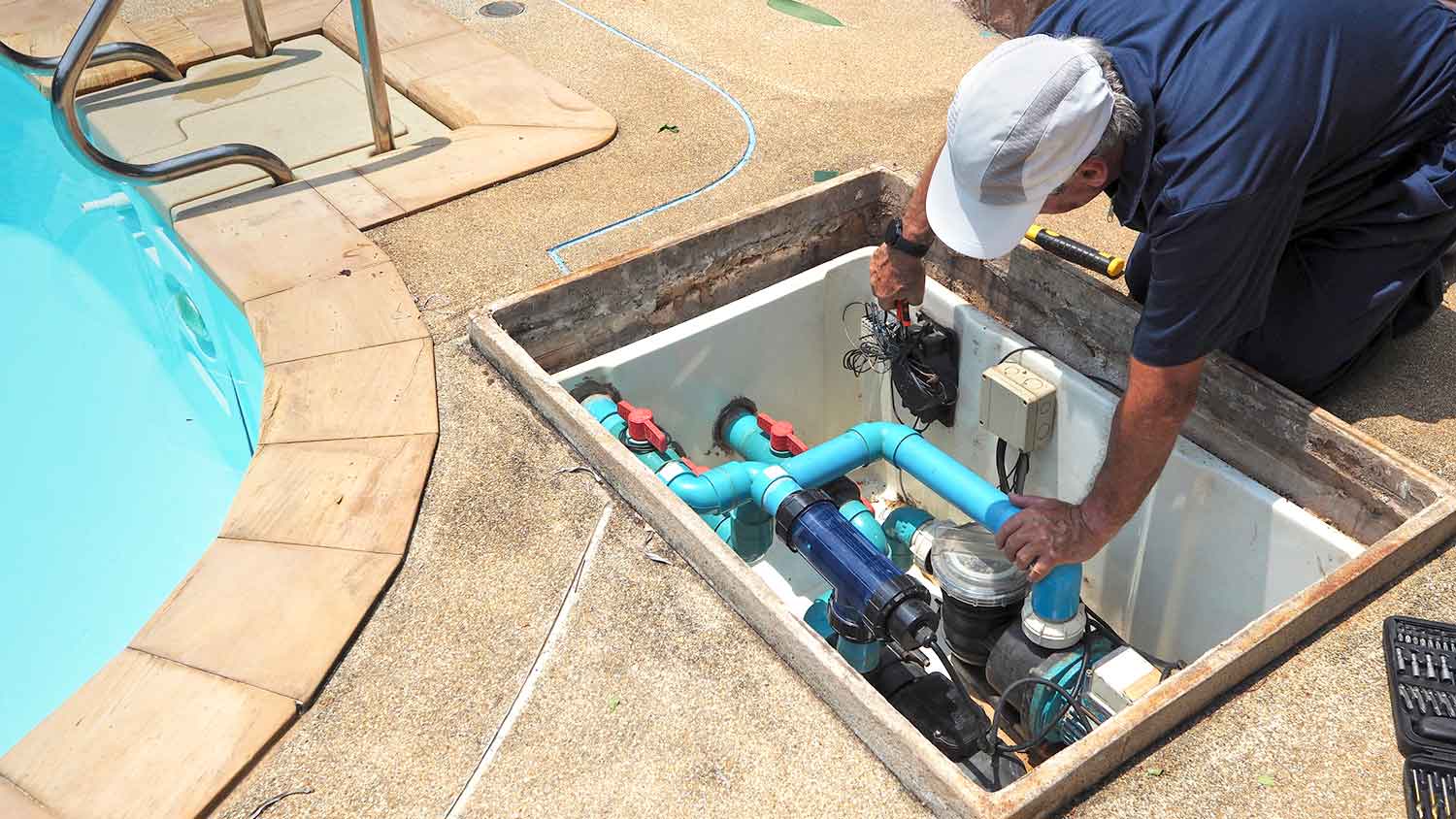
"It was great, the pool technician was very helpful and kept us updated on what repairs were needed. He followed up after his visit to ensure we knew the next steps. 10/10 would have this technician again."
"Rather than fix the issue the first 2 calls, more refrigerant was pumped into the system. This cost me $75 for each call plus the cost of the refrigerant. The 3rd time, they fixed a valve and refilled the refrigerant and I am monitoring to see if this really fixed the problem. So I am out $225 for service calls fro the same problem and the cost of the refrigerant. I think they take this approach intentionally."
Handyman of the White Mountains is proud to provide quality and integrity. We are experts in our trade and our commitment to quality shows from the beginning to end of your project. We look forward to earning your business.
Generally, it is more cost-effective and energy-efficient to leave your hot tub on all the time rather than turning it on and off. Reheating a hot tub from a cold temperature consumes a significant amount of energy, so maintaining a constant temperature is usually more economical, especially with frequent use.
For daily or weekly use, it's recommended to keep the water at a constant, reduced temperature, such as between 80 and 95 degrees Fahrenheit, and then increase it to your desired temperature before getting in. If you know you won't be using the hot tub for an extended period, you can lower the temperature to save on energy costs. However, if you use it very infrequently, you can turn it off completely, as long as there is no risk of the water freezing.
In most cases, it is safe to clean a hot tub with vinegar. You will want to verify that your hot tub manufacturer lists vinegar as a safe cleaning product; however, given that vinegar is chemical-free, cleans, deodorizes, and is safe for people and pets, it is usually a good option. You can use vinegar to clean the hot tub shell, interior and exterior spa surfaces, hot tub jets, hot tub filter, and other parts. It is considered a strong, safe, and natural cleanser that can kill bacteria, remove mold and mildew spores, erase water spots, and remove hard water stains.
You should have your spa or hot tub inspected and serviced yearly to prevent more costly repairs. Regular hot tub maintenance can save money and help keep you safe from hazards such as faulty wiring. Call a professional hot tub repair specialist, who will know what common issues to look for and have the parts and tools on hand to fix them immediately.
Properly maintaining your hot tub will prevent serious issues from occurring down the road. You should replace the filter once a year, regularly look for and repair small cracks in the shell, and test the water quality every few months. You can do this yourself for less than $100 per year.
You can also hire a hot tub service to service your hot tub annually to identify problems early, which could save you money in the long run. They cost about $100 to $200 per call.
A compact unit designed for two to three people typically weighs approximately 500 pounds in its empty state. On the other hand, a larger hot tub meant for up to six people can weigh around 1,000 pounds when empty. Materials used also impact weight. Less expensive hot tubs are typically lighter because they are made of molded plastic or fiberglass.
The Chambers, AZ homeowners’ guide to pool and spa services
From average costs to expert advice, get all the answers you need to get your job done.
Discover how much pool maintenance costs, including average prices, cost factors, and expert tips to help you budget and keep your pool sparkling all season.
What’s the difference between a swim spa vs pool? Both can be great additions to your property; here’s how to decide which one makes the most sense for you.
If you live in an area without very cold winters but tempted to close your pool during the cooler months, read on. We dive into the many benefits of winter service.