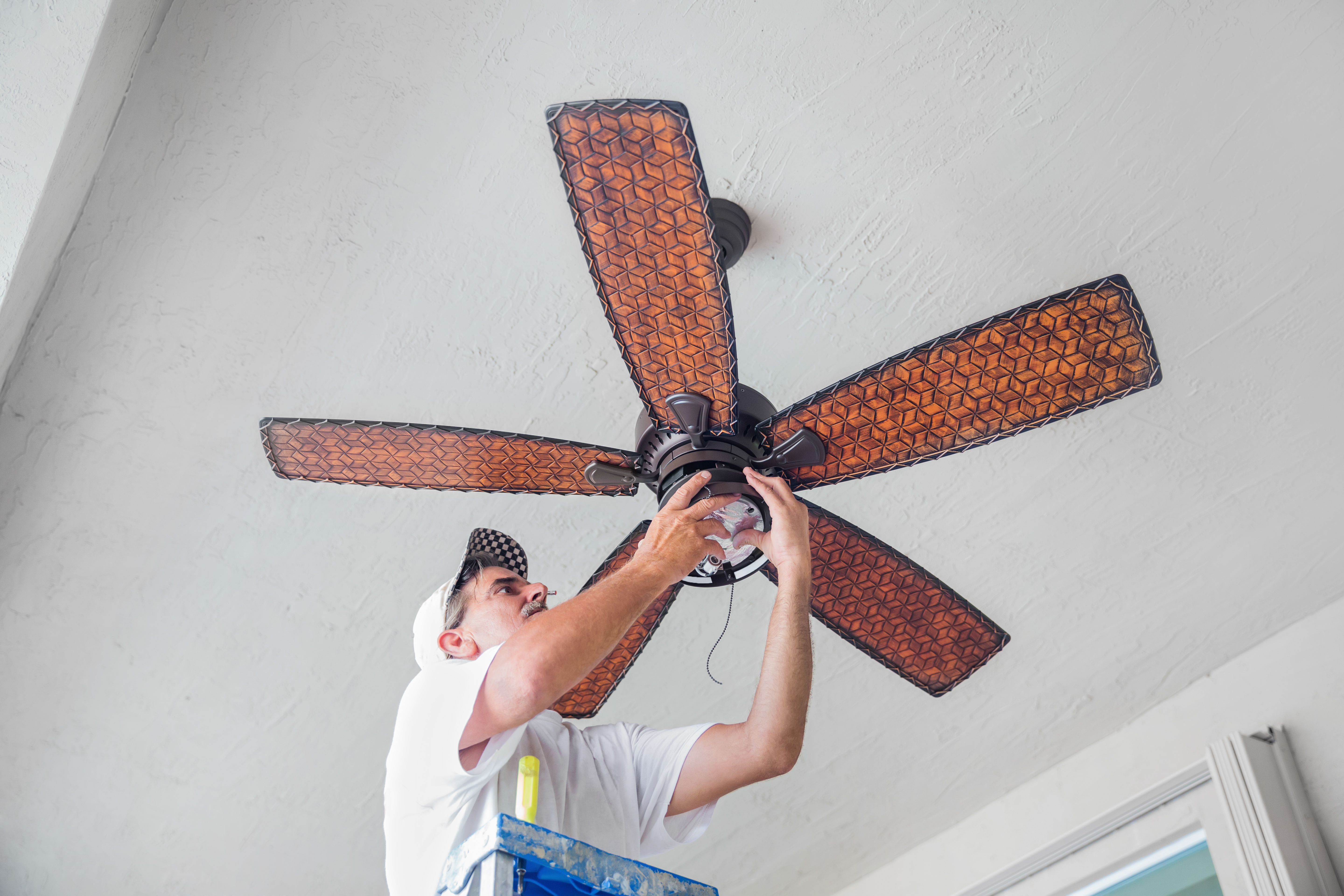
"Professional and great customer service! Installed new light fixtures in my home and cleaned up after. Will hire again! Highly recommend this company!"
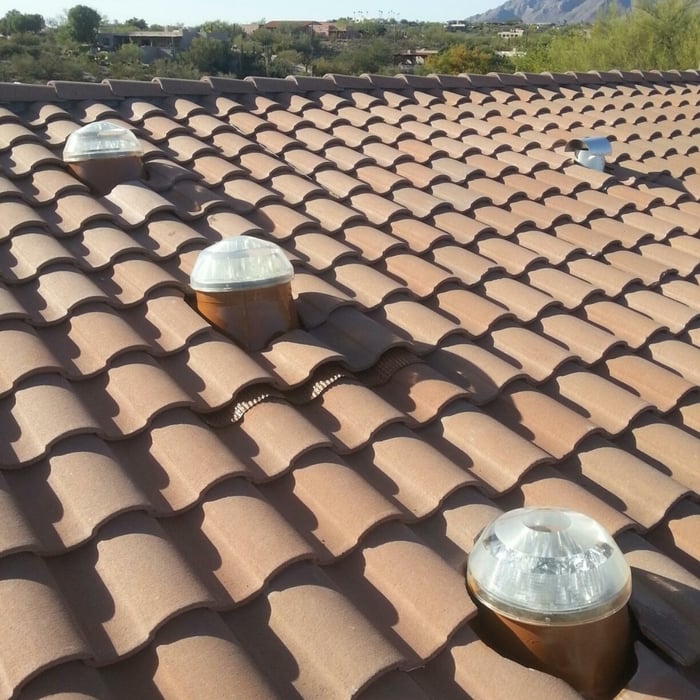
"Our main installer was Jesus, and he carefully explained each step of the work and then went over all the information we would need to know. We are very happy with all three items, saving electricity with the SolaTube as we no longer have to turn lights on during the day in our Master bath dressing area, we hope that the Solar attic fan is helping to keep the house cooler by exchanging the air in the attic when it gets hot. In our small home office we replaced an old skylight with new double glass skylight with a shade system and this has made a big difference in the office. Sunshine Experts, LLC did a great job for us and we are very happy to recommend them when anyone asks us about our experience."
GailForce Electric is a locally owned and operated company that values honesty and integrity in all aspects of our business. Our dedicated team of professionals have over 30 years of hands on experience, to provide innovative ideas and suggestions tailored to your projects. Our services are customized to your individual needs, paying close attention to the details of each project that we are involved with. Please feel free to contact us today!\n
"The furnace took 4 days to get approved( not counting a Sunday) the others were quick but the water heater had to be ordered so without hot water for a week. One ceiling fan was easy but within a year their policy changed and They would not install the one I purchased and had to get a new one approved and then ordered online and took several weeks to get straightened out. Not sure who was at fault, AHS, installer or scheduling with renter. Fee is usually $75 per visit"
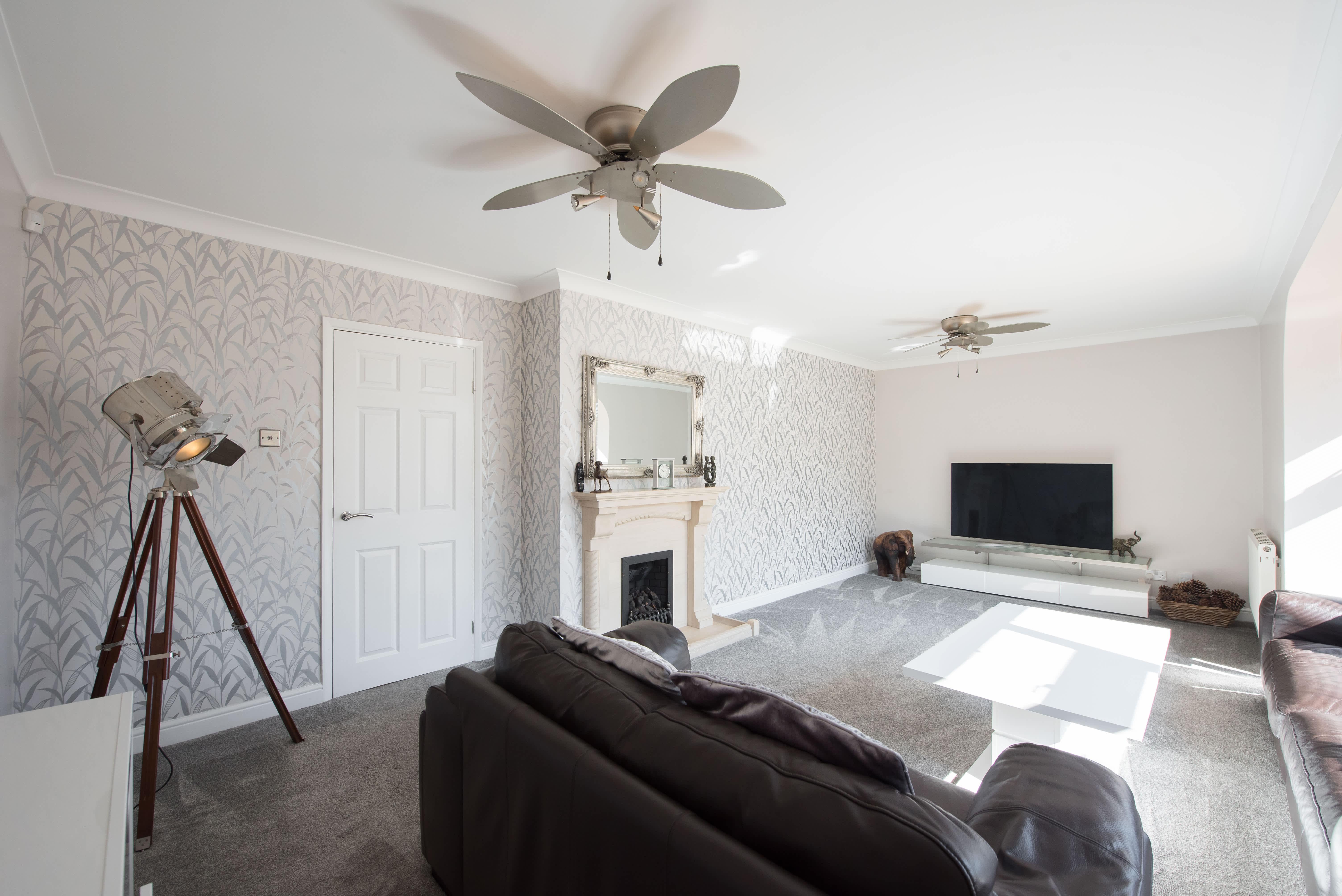
There are many types of ceiling fans, from self-automated smart ceiling fans to outdoor ceiling fans that provide additional comfort to your patio. What you choose all comes down to function and personal taste.
Consider your ceiling height when selecting a ceiling fan. Rooms with ceilings under eight feet high will do well with low-profile ceiling fans, also known as flush-mount or hugger ceiling fans. If your home has cathedral ceilings or ceilings between 10 and 25 feet high, you’ll need a large ceiling fan with a heavy-duty motor to get adequate air circulation.
The direction your ceiling fan spins helps create comfortable airflow in your home and can also help cut down on energy costs.
During summer, your ceiling fan should spin counterclockwise. This will push cooler air downward in a column and help lower your room’s air temperature. In the winter, set your ceiling fan to spin clockwise and at the lowest speed setting. This will pull cool air upwards, displacing the warm air that pools towards the top of your ceiling and bringing it down towards the floor.
The most efficient ceiling fan height is 8 to 9 feet from the floor to the fan blades. For ceilings higher than 9 feet, a downrod can be used to lower the fan to the optimal height. This positioning ensures adequate air circulation and maximizes the cooling effect. Remember, fans should be installed at least 7 feet above the floor for safety.
Ceiling fans require periodic cleaning of blades to avoid dust accumulation, checking screws and connections for firmness, and occasional lubrication for components, keeping the fan running smoothly and quietly over time.
Ceiling fans offer multiple benefits for your home. They improve air circulation to prevent stagnant environments and provide cost-effective temperature control, which can reduce reliance on your HVAC system and help lower utility bills. In addition to their functional advantages, ceiling fans can also enhance a room's aesthetic appeal with features like built-in lighting and modern styling.
The Chambers, AZ homeowners’ guide to ceiling fan services
From average costs to expert advice, get all the answers you need to get your job done.
Discover the cost to install a ceiling fan, including labor, materials, and tips to save. Learn what impacts your price and how to budget for your project.
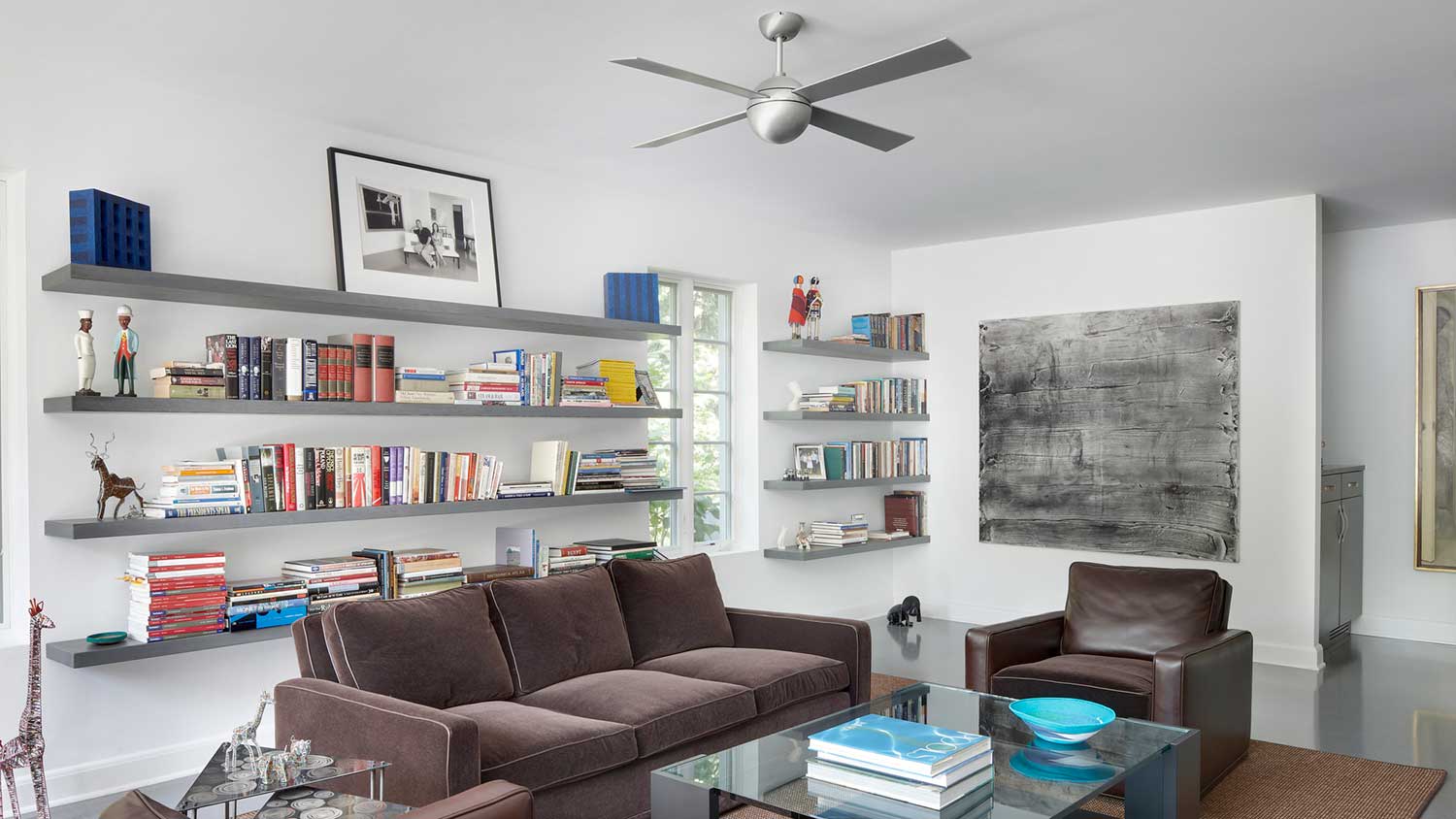
Ceiling fans cool down your home while stylishly accenting your space. With a variety of types of ceiling fan on the market to choose from, you can’t go wrong.
Although the risk is low, there are a few telltale signs that a ceiling fan will fall off your ceiling. This guide explains when to worry (and when not to).
With the right size, ceiling fans are an energy-efficient way to cool a room. Use this ceiling fan size guide to find the perfect model for your space.