






Get matched with top arborists in Weiner, AR
Top-rated arborists.

Need a pro for your arboricultural service project in Weiner, AR?

Select your specific project to find the pro for you.

Find Arborists in Weiner

Avatar for D’s Construction
D’s Construction
4.3(
7
)

Serving Weiner, AR and surrounding areas

In business since 2025

Free estimates

Small jobs welcome

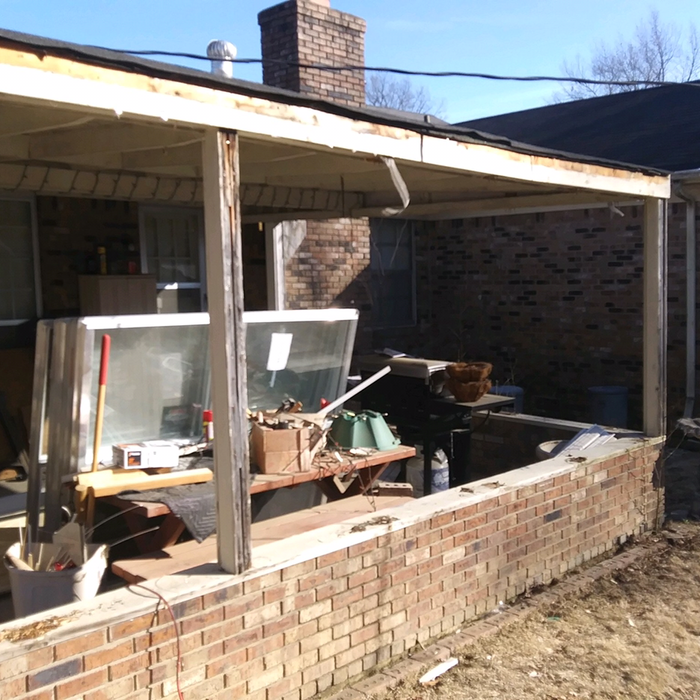
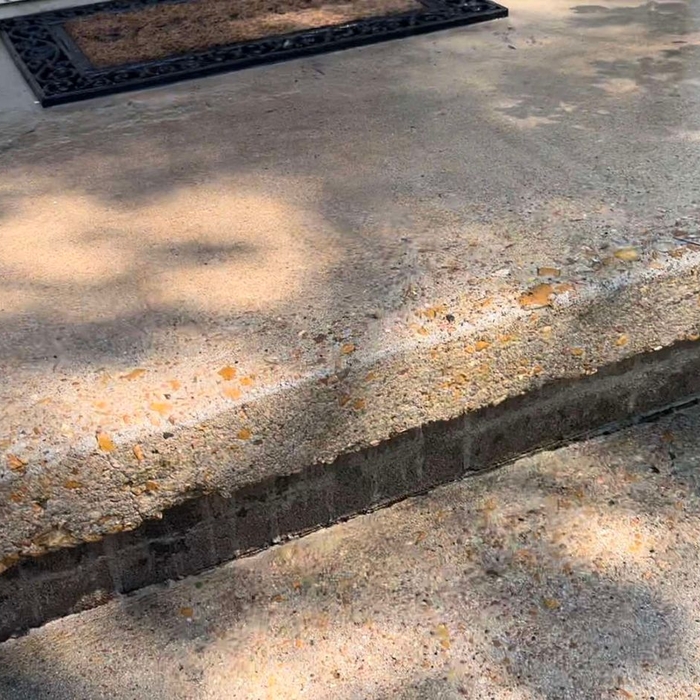
"My porch got messed up in the lake city tornado and I was unable to fix it myself due to having a toddler on my heel at all times and it looks brand new Dallas the owner and his little sidekick did an amazing job"
Response time7 hrs
...
Showing 1-10 of 51
Arborists questions, answered by experts

Grinding down a tree helps reduce the risk of foundation damage and pests and even helps your home’s curb appeal. Stumps can also be a safety hazard. If grass grows above the stump and someone else mows your yard, they may be in for a rude awakening when they accidentally hit it.

You will know that an oak tree needs to be removed when you see vertical cracks or dead branch stubs, which indicate internal decay. Other signs include trunk rot near the base of the tree and sprouts or small branches coming from the trunk.

Completely topping a plum tree is a risky business. Cut too much, and you’ll kill your tree. That said, you do need to trim the top of your tree to encourage bushy growth, maintain your tree’s vase shape, and limit size. 

A plum tree's central leader (or trunk) should never extend more than 3 feet above the highest branch. When you first plant your tree, cut the central leader so it’s 2 to 3 feet tall. As it grows, cut it back 12 to 20 inches until it reaches its desired height. Never prune more than one-third of the new growth.

The shepherd’s tree, native to the Kalahari Desert in Africa, holds the record for the deepest known tree roots at over 230 feet deep. Some African communities refer to it as the “Tree of Life” since it provides food, shade, and medicinal properties to the surrounding community.

The lifespan of a bird's nest depends on the species. The building process can take from two days to three weeks. Once built, the nesting period for baby birds can last from two to ten weeks before they leave the nest. While most young birds are ready in two to six weeks, some predatory species may need up to two and a half months. Some species nest four to five times per year, so a nest could remain in use for several months. For specific information about a particular nest's longevity, it is best to consult a wildlife professional.

The Weiner, AR homeowners’ guide to arboricultural services

From average costs to expert advice, get all the answers you need to get your job done.