








Top-rated wrought iron workers.

Get matched with top wrought iron workers in Rison, AR

Enter your zip and get matched with up to 5 pros

Need a pro for your wrought iron service project in Rison, AR?

Select your specific project to find the pro for you.

Find Wrought iron workers in Rison

Avatar for Cypress River construction
Cypress River construction
New to Angi
Wrought Iron Fence - Install - For Business

Serving Rison, AR and surrounding areas

Approved

Free estimates

Emergency services offered

Warranties offered

Here at Cypress River Construction we offer a wide variety of trades and crafts! From fencing, painting, new builds, full remodels, or roofs! We are fair and believe in honest work, we offer a warranty with our work!

Tree damage
Tree damage
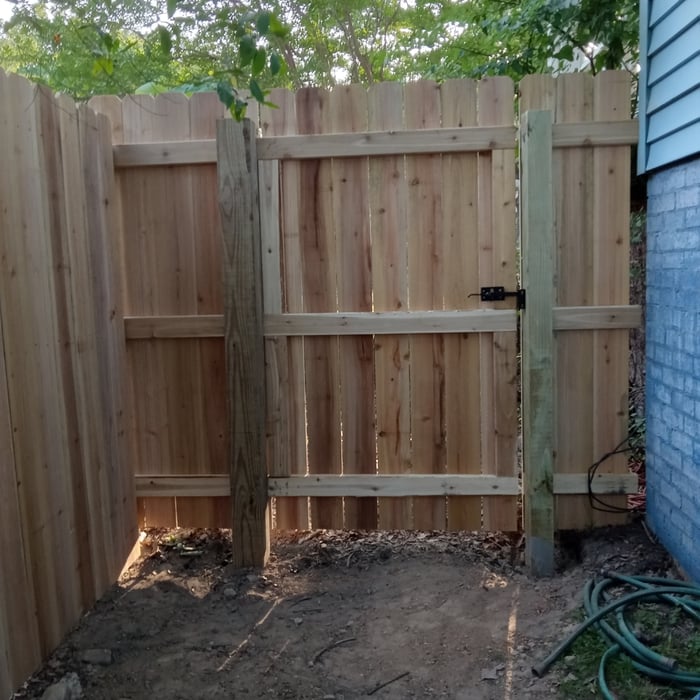
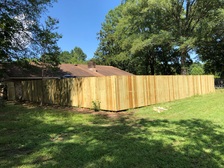
Privacy fence
Privacy fence
3 neighbors recently requested a quote
Showing 1-10 of 31
Wrought Iron questions, answered by experts

This depends on where you are placing the iron railing. If you are installing a railing along a staircase, it would be a good time to conduct any necessary repair or maintenance jobs to the staircase itself. If you are throwing the railing up surrounding a deck or porch, deal with any persistent issues with said deck or porch. If you or a loved one needs a bit of extra help getting in and out of your house, this could also be a good time to install a disability ramp.

No, fence posts aren’t always set in concrete. If you don’t want to use concrete footings for your posts, expanding foam is a popular alternative. Expanding foam and concrete each have certain pros and cons. For instance, foam is easier to install and more sustainable, but concrete is sturdier and less expensive.

Posts for a horizontal fence should be no more than 6 feet apart. Wood pickets are not as strong when mounted horizontally as when mounted vertically. As such, the fence panels on a horizontal fence can’t cover the same span between posts as a vertical fence can. If you install the posts further apart on a horizontal fence, the fence will lose stability, making the boards more likely to sag. 

You’ll need to bury the garden fence about 1 foot underground. It’s tempting to save on materials by burying the fence just a couple of inches, but if you do so, determined pests will still be able to dig under the fence and access your plants. Burying your garden fence deep into the soil is an important step that allows you to attach a wire barrier to the fencing. 

Burrowing animals (like voles, moles, rabbits, and gophers) can’t dig or chew through this wiring, meaning that you’ll be keeping your prized petunias or your robust veggie garden from being eaten.

One common approach to attaching lattice is using screws or nails. Align the lattice panel with the wood frame, then secure it by driving screws or nails through the lattice into the wood. Another option is using U-shaped or J-shaped clips or brackets designed for lattice attachment, which provide a neater look. For added stability and aesthetics, you can use molding or framing around the lattice edges, attaching it to the wood with screws or nails—lastly, construction adhesive works when combined with other fasteners for enhanced durability.

The Rison, AR homeowners’ guide to wrought iron services

From average costs to expert advice, get all the answers you need to get your job done.