




Top-rated generator install pros.

Get matched with top generator install pros in Piggott, AR

Enter your zip and get matched with up to 5 pros

Need a pro for your generator install project in Piggott, AR?

Select your specific project to find the pro for you.

Find Generator install pros in Piggott

Fitzgerald Electrical Services -
New to Angi

Serving Piggott, AR and surrounding areas

In business since 2009

Free estimates

Emergency services offered

Fitzgerald Electrical Services is an obvious choice for all your electrical needs. We have the power to perform and can handle any job from computer networking to electrical wiring and panel upgrades for a remodel or addition. We are experts in the installation of in-ground pools and can also assist with repair work associated with your swimming pool and the accessories and equipment. Free Estimates within 30 min drive We proudly obtain a Cape Gerardo License #852, expires March/2014. Outdoor lighting, home theater systems, telephone jacks, surveillance systems, etc..."If There is Wire to It...We Do It".

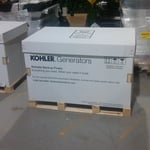
Kohler Emergency Generators and Transfer Switches
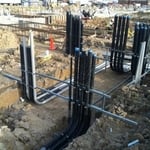
 Undergound Electrical Conduits/ Electrical Room
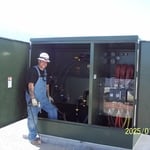
High Voltage Transformer
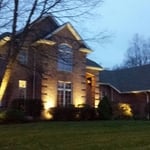
 Landscape Lighting Design and Installation
 Data Center Lighting

+15

Sides Contracting, LLC
New to Angi

Serving Piggott, AR and surrounding areas

Hello, I’m Dan, and myself and my crew are most capable of taking care of nearly every project you may have. With our combined experience in many fields, you’ll get superior service, quality workmanship, and fair, competitive pricing. We work when others won’t, providing standard rates on nights and weekends. \n From home appliance repair and installs, to whole home renovations, HVAC, plumbing and electrical, decks, siding and so much more, not only can we do it, we can do it beyond your expectations. For the rare instances we encounter that we aren’t 100% certain we can exceed your expectations, we can refer someone who we know will satisfy you. \n Free estimates, advice, and all work warrantied. \n Local, same day service most days, 24hr max arrival windows for repairs. \n Give us a chance to impress you, and you’ll be the person who can always tell your friends and family “I know a guy!”

Generator Install questions, answered by experts

Generally, you’ll want to keep between 60 and 70 feet between the generator and the transfer switch. There are a few reasons for this, including:

  • The distance reduces the noise coming from the generator into your home.

  • It increases efficiency because you won’t have a voltage drop from this short of a distance.

  • Prevents carbon monoxide poisoning: keep at least 15 feet between your generator and an open window. 

Carbon monoxide emissions aren’t only dangerous to human life, but they also harm our planet. While natural gas generators emit lower levels of CO than other fuel sources, there are still ways to reduce emission levels. For example, shop around for an eco-friendly generator that complies with current emission standards. Also, make sure your generator is serviced regularly to avoid CO buildup. 

Yes, installing a generator usually increases your property value because buyers are getting the added peace of mind knowing they’ll be able to maintain power through blackouts. In most cases, you should see close to a 100% return on investment (ROI). Keep in mind that home generators usually need a permanent foundation, and installing a concrete slab will likely raise your property taxes slightly.

In many cases, yes. There are models called dual-fuel generators and fuel switches, but only between certain types of fuel. For example, with the right setup you can convert a generator from natural gas to propane. Some allow switching between diesel and gasoline. There are even tri-fuel generators available in some cases, which adds a large layer of security if you are worried about fuel availability in times of crisis. Always check your generator capabilities and manual instructions before trying to switch fuels. Some generators can use another fuel but may need a fuel conversion kit to prep them first.

To determine the right size generator for your house, you should calculate the total wattage of the appliances and devices you want to power during an outage. List all essential items, note their start-up wattages, and add them together.

Here are some typical wattage requirements for common appliances:

  • Refrigerator: 600 watts

  • Large dehumidifier: 700 watts

  • Large window air conditioner: 1,400 watts

  • Water heater: 3,000 to 4,500 watts

  • Electric furnace: 5,000 to 25,000 watts

A 7,500-watt generator might be sufficient for essentials like a refrigerator, freezer, well pump, and lighting circuits. However, for high-demand items like a water heater or furnace, a whole-home generator is a better choice. A portable generator may be enough if you only need to power a few critical items.

While home square footage can offer a rough estimate, it is not always a reliable indicator. For reference, here are some typical generator sizes based on square footage:

  • 1,000 sq ft: 6–9 kW

  • 1,500 sq ft: 7–10 kW

  • 2,000 sq ft: 10–14 kW

  • 2,500 sq ft: 12–16 kW

  • 3,000 sq ft: 16–20 kW+

For the most accurate sizing, consult a professional who can calculate your home's peak and average power consumption and recommend the optimal generator.

The Piggott, AR homeowners’ guide to generator installs

From average costs to expert advice, get all the answers you need to get your job done.