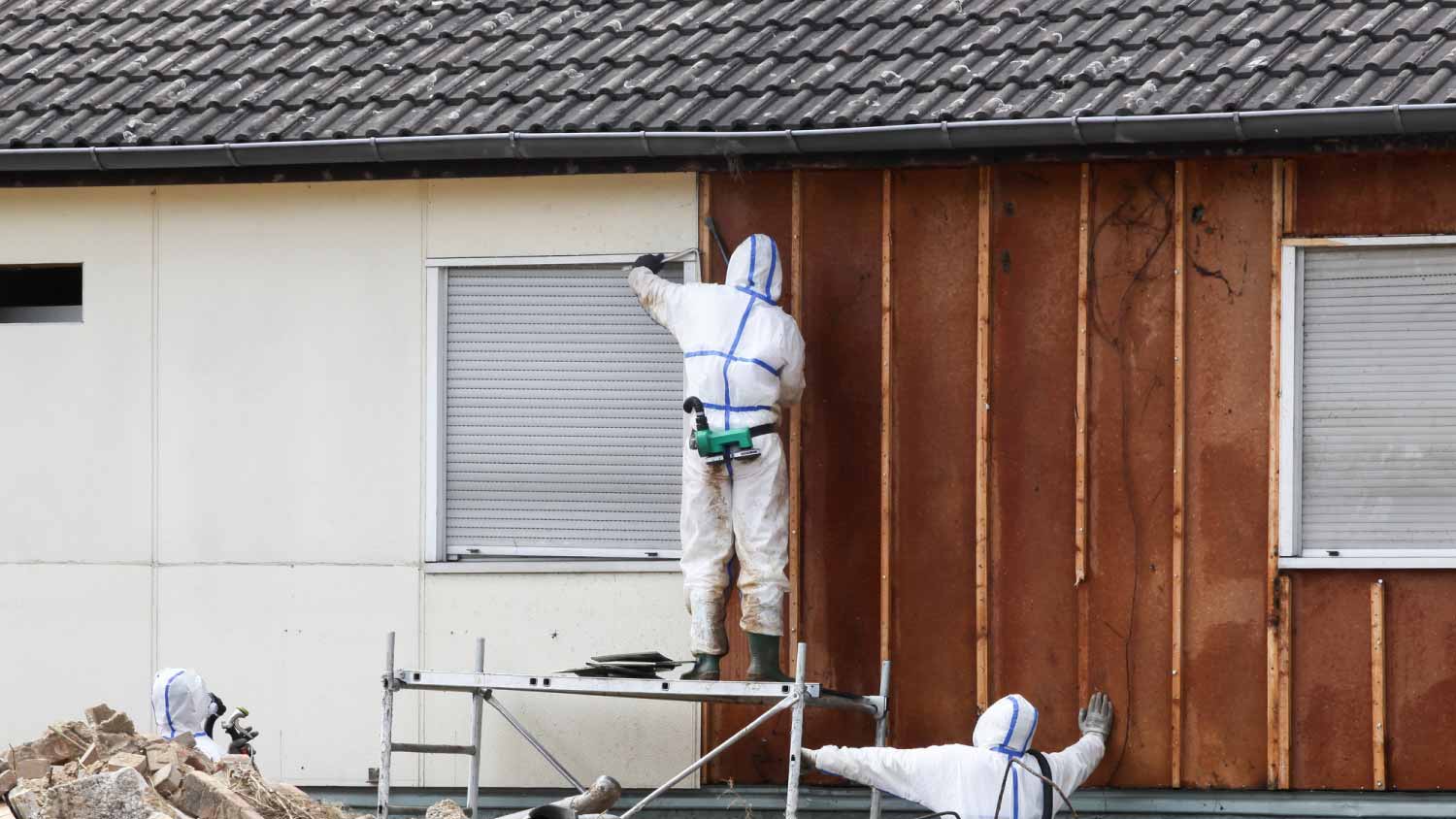



Top-rated asbestos removal specialists.

Get matched with top asbestos removal specialists in Haskell, AR

Enter your zip and get matched with up to 5 pros

Need a pro for your asbestos abatement project in Haskell, AR?

Select your specific project to find the pro for you.

Find Asbestos removal specialists in Haskell

Avatar for River Valley Abatement
River Valley Abatement
4.9(
9
)
Asbestos - Abatement

Serving Haskell, AR and surrounding areas

In business since 2022

Emergency services offered

Warranties offered

"The work that was done today was vary well explained. treated for mold baseboard,wallboard, insulation removed, fans on drying out for couple days. Will return the next day and check the condition of the drying out. ."
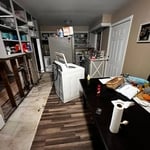
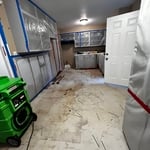
Asbestos mastic on particle board.
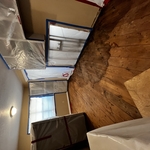
Prep
all done.
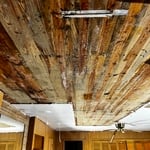
mold on ceiling after water leak
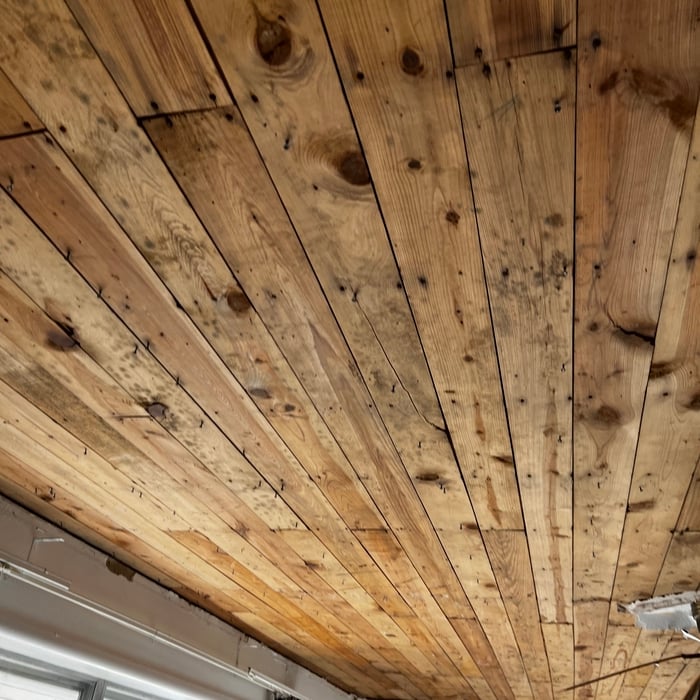
After clean and treated and dried.

+5

Response time2 hrs
Response rate97%
Recommended by100%of homeowners
Asbestos Removal questions, answered by experts

It is best to wear a respirator during the sanding, painting, and sealing process. It can filter particles, vapors, and fumes that can be toxic to breathe. So it’s better to be safe and protect your lungs during this project.

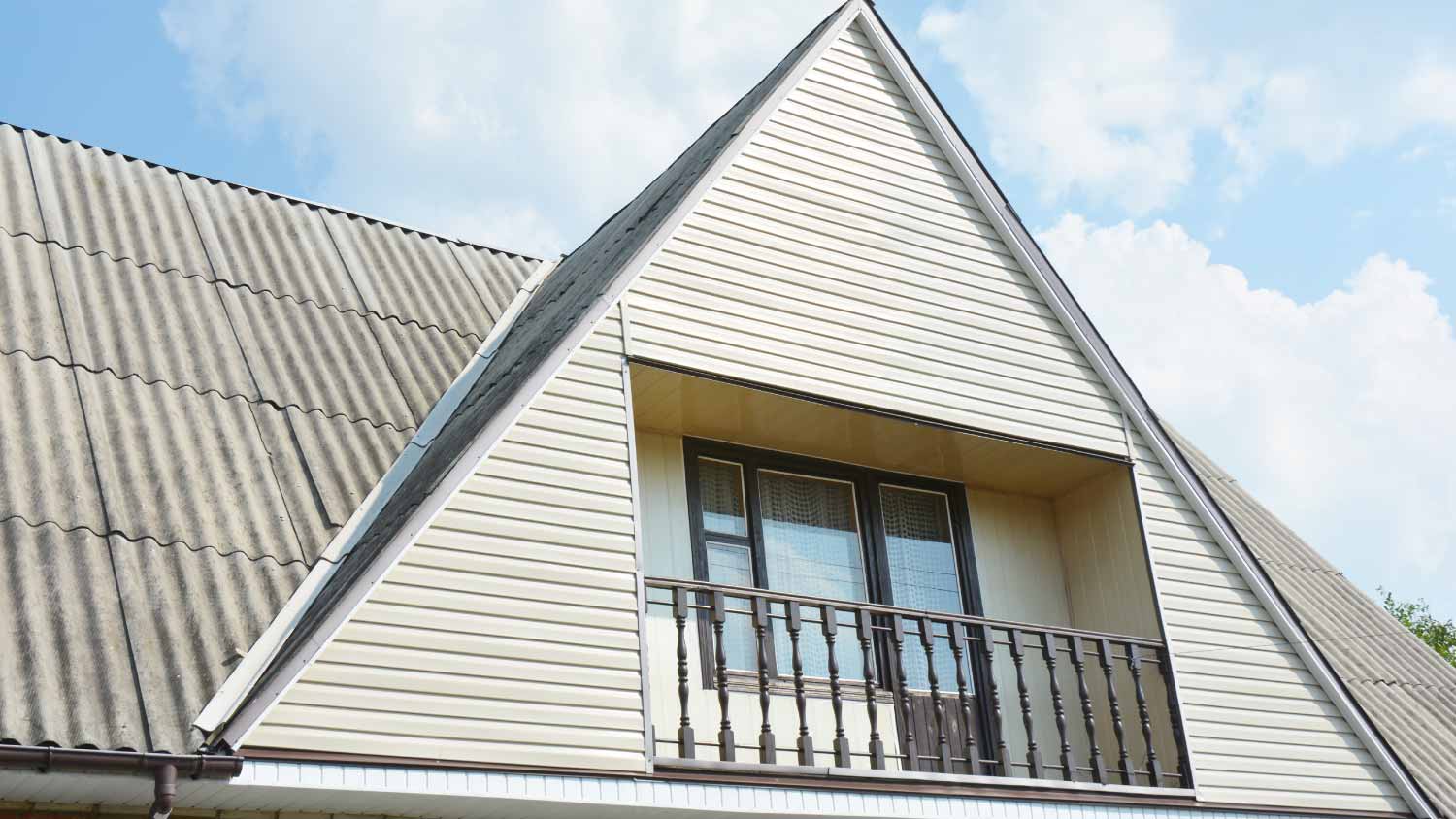
Although the use of asbestos has declined since the 1980s, it remains in several different types of building construction materials for insulation and as a fire retardant. Typically, asbestos can be found in materials such as ceiling and floor tiles, heat-resistant fabrics and coatings, and roof shingles. You may also find asbestos in textured paint and patching compounds.

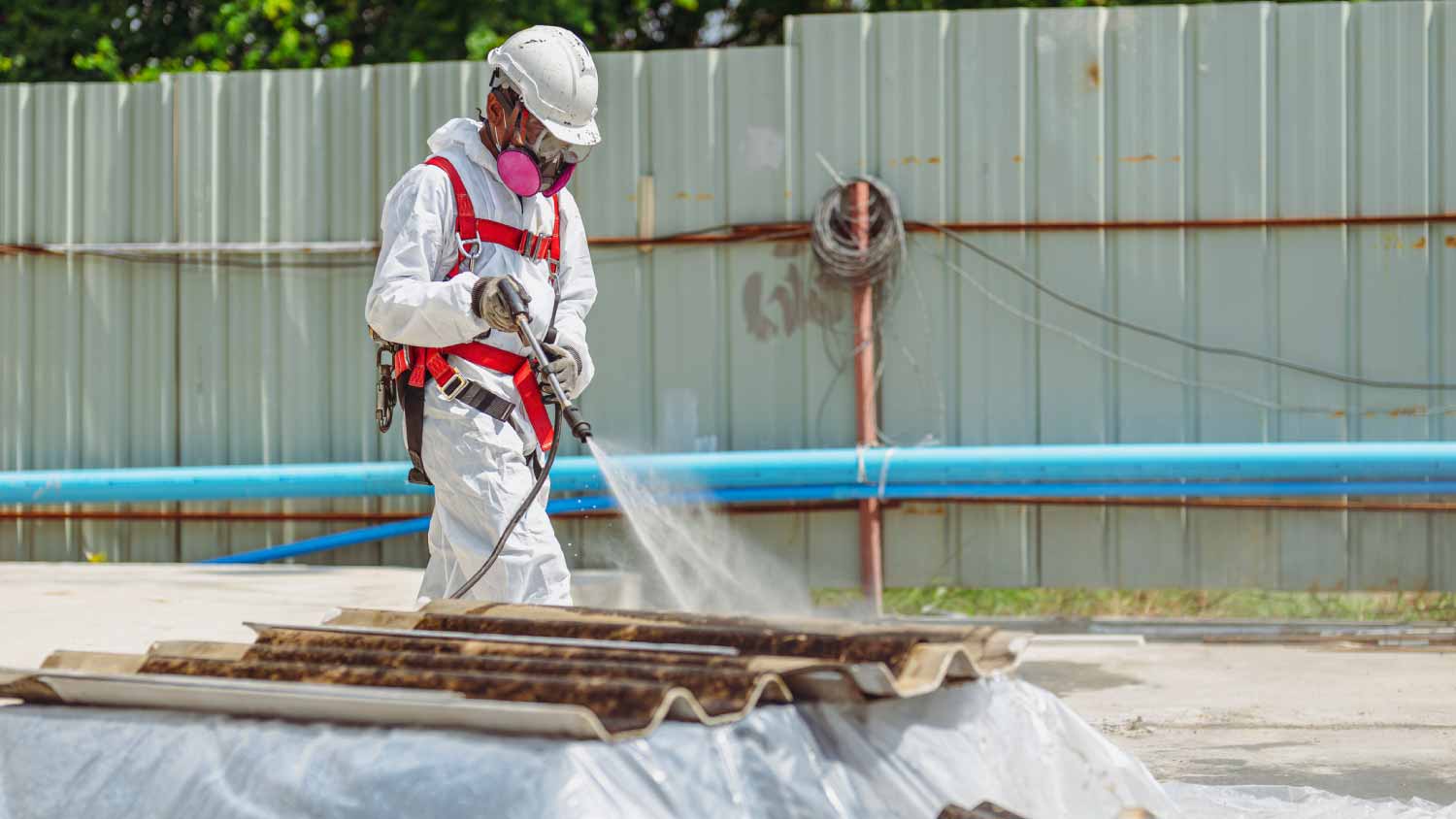
Power washing asbestos siding can be hazardous and isn't recommended. The power washer's high pressure can disturb the siding and release harmful asbestos fibers into the air. Rather than attempting to DIY it, hire a professional trained in asbestos handling to tackle any exterior cleaning.

According to the Environmental Protection Agency (EPA), hazardous waste is generally classified into four main categories:

1. Characteristic Wastes: These exhibit at least one of four hazardous traits: ignitability (flammable, like gasoline), corrosivity (can rust or decompose materials, like car batteries), reactivity (unstable and can explode, like aerosol cans), or toxicity (harmful when ingested, like lead-based paint).

2. Listed Wastes: These are specific wastes from manufacturing and industrial processes that the EPA has officially designated as hazardous. They include byproducts from processes that use solvents, pesticides, and other chemicals.

3. Universal Wastes: These are commonly generated hazardous items that are subject to streamlined regulations. Examples include batteries, pesticides, mercury-containing equipment (e.g., bulbs), and some lamps.

4. Mixed Wastes: This category includes waste that contains both hazardous and radioactive components, making it subject to regulation by both the EPA and the Nuclear Regulatory Commission.

Abatement focuses on immediate hazard control while remediation encompasses a comprehensive cleanup and long-term safety strategy. Abatement refers specifically to reducing or eliminating the immediate hazard by removing or encapsulating it. It’s a targeted approach aimed solely at controlling asbestos risks. Remediation is a broader term that involves the entire process of addressing contamination to restore a safe environment. Remediation can include abatement, decontamination, air quality testing, and post-cleanup monitoring.

The Haskell, AR homeowners’ guide to asbestos removal services

From average costs to expert advice, get all the answers you need to get your job done.