



Top-rated fence painters.

Get matched with top fence painters in Hackett, AR

Enter your zip and get matched with up to 5 pros

Need a pro for your fence painting project in Hackett, AR?

Select your specific project to find the pro for you.

TRUSTED BY HACKETT, AR HOMEOWNERS

  • Average homeowner rating star icon4.5
    Average homeowner rating
  • Verified reviews icon63
    Verified fence painting services reviews

Find Fence painters in Hackett

No results for Fence painter in

Try adjusting your search criteria.
Fence Painting questions, answered by experts

The easiest way to stain a fence depends on your experience and comfort level with the project. Applying stain with an airless sprayer or pump sprayer might get the stain job done faster, but it can be tricky. Paint rollers and stain brushes are slower but simpler for a DIY project.

Staining or sealing a cedar deck or fence is highly recommended to extend its lifespan and protect it from the elements. While cedar is naturally resistant to mold and mildew, it is not impervious to damage from moisture, sun exposure, splintering, fading, and rot over time. Applying a protective finish creates a shield that preserves the wood's strength and appearance, potentially extending its life by five to 10 years.

When choosing a finish, it's helpful to understand the difference between a sealer and a stain. A sealer sits on top of the wood, whereas a combination stain and sealer soaks into the top layer. Because it penetrates the wood, a stain generally offers better protection against UV damage and rot and lasts significantly longer. For the best results that also preserve the wood's natural color, consider using a near-translucent stain.

To maintain protection, plan on reapplying the stain or sealer every two to three years, either as a DIY project or by hiring a professional.

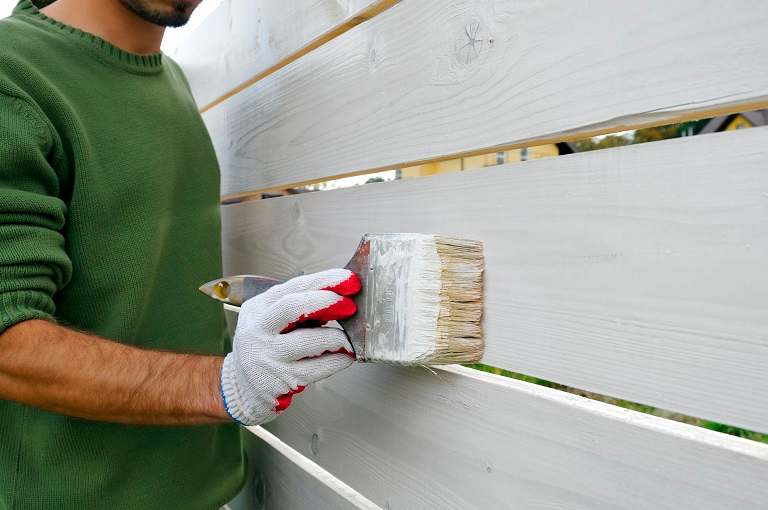
Whether to brush or roll stain on wood depends on the project and your preference. Brushing is ideal for smaller, intricate areas and offers more control over the application, ensuring thorough coverage and penetration into the wood's grain. 

Conversely, rolling is efficient for more extensive, flat surfaces and can save time. However, it is not always the best fit for textured or uneven wood. Some projects may benefit from combining both methods, using a brush for detail work and a roller for broader areas. Ultimately, the choice between brushing and rolling depends on the specific requirements of your staining project.

You should inspect the area regularly for rust, clean it with a wire brush, repaint it every few years, and apply a protective sealant to prevent corrosion.

Your tool of choice ultimately comes down to personal preference. Many DIYers prefer applying stain with a lint-free rag, but others stick with a paint brush or a roller. Wipe the stain and work it into the wood, working with and against the grain. If you’re applying multiple coats, allow the stain to dry for around four hours between coats.

The Hackett, AR homeowners’ guide to fence painting services

From average costs to expert advice, get all the answers you need to get your job done.