








Top-rated basement waterproofing pros.

Get matched with top basement waterproofing pros in Fouke, AR

Enter your zip and get matched with up to 5 pros

Find Basement waterproofing pros in Fouke

Avatar for Duraplex LLC
Duraplex LLC
4.5(
45
)
Basement Drainage Channels - InstallBasement Drainage Channels - RepairFoundation, Basement or Crawlspace - Waterproofing / Encapsulation

Serving Fouke, AR and surrounding areas

In business since 2006

Free estimates

Emergency services offered

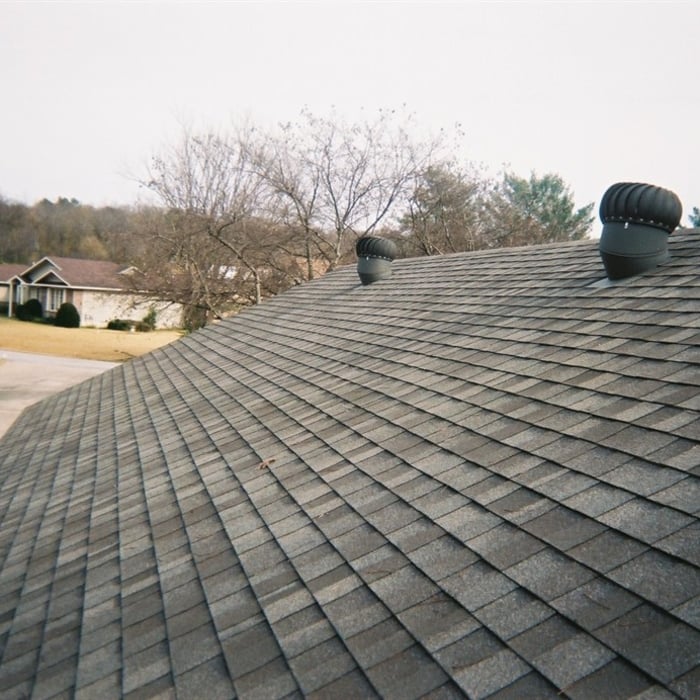
"Very professional, friendly, and prompt service.  They took time to explain what had caused the damages to the roof and what needed to be done to prevent the damages from re-occurring.  Also, they explained the benefits of a full roof replacement vs just repairing the damaged area. 
"

Additional Photos
Additional Photos
Additional Photos
Additional Photos
Additional Photos

+16

Recommended by91%of homeowners
M&M Excavation
New to Angi
Basement Drainage Channels - Install

Serving Fouke, AR and surrounding areas

In business since 1994

We take great pride in our experience, expertise, quality, and customer service that we provide to meet the consumer's needs. It is our mission to provide excellent workmanship and complete customer satisfaction from start to completion of a project. In order to understand the needs and expectations of our customers, we take great care to work and communicate with every customer in a professional manner. Our reputation is based on service, safety, and quality, regardless of how large or small the job. Call us today!

Basement Waterproofing questions, answered by experts

Yes, engineers assess soil load-bearing capacity and provide construction guidelines.

Ductwork sweats due to a temperature difference between the air inside the ducts and the surrounding air, similar to how a cold drink develops condensation in the heat. This sweating is a sign that your HVAC system is not operating at peak efficiency. The best way to keep ductwork from sweating is to wrap it in proper insulation, which also improves your system's energy efficiency. Another option is to close off your crawl space and install a dehumidifier to dry the air and lower its dew point.

You don’t always need to install a dehumidifier in your encapsulated crawl space, but it might be a good idea in certain instances. If you notice obvious signs of condensation, mold, or musty smells permeating from your crawl space, a dehumidifier can help. It’s ideal for homes in humid areas.

In a worst case scenario, structural damage like rust on metal beams, rotting wood, and swelling on doors and windows can signal moisture problems that would benefit from a dehumidifier.

While a standard gutter system is widely considered the most effective way to prevent water damage to your home's foundation, several alternatives are available. These options can be used on their own in certain climates or as supplementary protection.

Common alternatives include:

  • Rain Chains: These are decorative chains that hang from the roof's edge, guiding rainwater to the ground.

  • Drip Edges: These metal strips are installed at the edge of the roof to direct water away from the fascia. While often used with gutters, they can be paired with a ground-level solution but are typically not sufficient on their own.

  • Rain Dispersal Systems: These systems work by breaking up the heavy sheet of water flowing off the roof, dispersing it over a wider area.

  • French Drains: This ground-level system uses a perforated pipe in a gravel-filled trench to collect and redirect water runoff away from the house.

  • Drip Paths: Placed directly below the roofline, these paths made of concrete, stone, or other materials prevent soil erosion and guide water away.

It's important to note that some alternatives like rain chains and dispersal systems may not be adequate in regions with heavy rainfall because they don't divert water away from the foundation as effectively as a full gutter system. Ground-based solutions like French drains can be very effective but are often more expensive and can affect your landscaping and curb appeal. Many experts recommend installing a full gutter system for maximum protection and using alternatives as supplementary measures.

It’s not the number of weep holes that should be of concern to builders but rather their spacing. Weep holes are usually spaced anywhere between 16 inches on center when using round tubes or wicking materials and 24 inches on center when using open-head joints. This is a more conservative spacing than the 33-inch maximum spacing on center that’s mentioned in the International Residential Code. All in all, the total number of weep holes a brick exterior should have will depend on the size of the structure.

The Fouke, AR homeowners’ guide to basement waterproofing services

From average costs to expert advice, get all the answers you need to get your job done.