
Top-rated energy efficiency auditors.

Best energy efficiency auditors near Eudora, AR

Enter your zip and get matched with up to 5 pros

Need a pro for your energy efficiency auditing project in Eudora, AR?

Select your specific project to find the pro for you.

Top-Rated Energy efficiency auditors in Eudora - Updated Nov 2026

Avatar for ADT Solar
ADT Solar
4.4(
111
)
Energy Audit - For BusinessHome Energy Audit

Serving Eudora, AR and surrounding areas

In business since 2008

Free estimates

Warranties offered

"Rep. checked entire system. He found several wires not connected properly and fixed this. He also made recommendations regarding the attachment of the panels to the rood that would provide more stability and leakproofing. The representative appeared to know what he was doing - much better than others, including the representative who was engaged by the roofer (who replaced our rood due to hail damage) to disconnect/connect the panels."
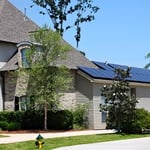
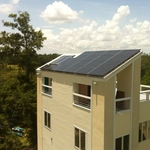
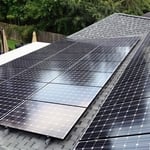
11 kW PV Installation
5 kW PV Installation
9.5 kW PV Installation
Recommended by89%of homeowners

Energy Efficiency Auditing FAQs, answered by experts

The difference between an energy auditor and a home inspector is primarily in the purpose of the inspection. The energy auditor conducts tests in your home to determine the energy efficiency levels in areas like windows, insulation, and doorways. The auditor then makes recommendations for ways to improve a home’s energy efficiency. 

A home inspector examines various structures of your home to determine that everything is up to code and gauge the condition of features like the roof, foundation, HVAC, and electrical. The home inspector reports on the overall home and makes repair recommendations.

Wood windows fall in the middle of the window frame materials when it comes to energy efficiency. They’re more insulating than aluminum and vinyl, but they aren’t as efficient as fiberglass or composite frames. If you love the look and lifespan of wood windows and want to maximize efficiency, you can upgrade to double-pane or triple-pane glass and consider window tinting and low-emissivity (low-E) coatings to minimize heat transfer.

Setting your AC unit to 78 degrees can, indeed, help you save energy. In fact, according to experts, every degree you turn the unit up could save you between 1% and 3% on your energy bills. That said, turning your unit off entirely while you’re out might actually be less efficient than keeping it on at a higher temperature. Why? The unit will need to work extra hard to cool the house back off again after all those hot hours. 

While some aspects of an appraisal, such as comparable properties nearby, are out of your control, there are several steps you can take to potentially increase your home's value. Make any necessary repairs and upgrades before the appraiser's visit, as they can only value what is currently part of the home, not its potential. Examples include renovating older areas, updating landscaping to boost curb appeal, and staging your home. You can also provide the appraiser with the cost of recent upgrades, which may increase your home's value by about 50% or more of what you paid for those improvements.

A good SEER rating for an HVAC system is typically between 15 and 20. However, minimum requirements vary by location; HVAC systems in northern states must have at least a 14 SEER rating, while those in southern states need a minimum of 15. For the highest possible efficiency, look for units with a SEER rating of 21 or higher. It's important to remember that a SEER rating represents the maximum efficiency a unit can achieve, not the level at which it will operate at all times.

The Eudora, AR homeowners’ guide to energy efficiency auditing services

From average costs to expert advice, get all the answers you need to get your job done.