





Top-rated structural engineers.

Get matched with top structural engineers in Dermott, AR

Enter your zip and get matched with up to 5 pros

Need a pro for your structural engineering project in Dermott, AR?

Select your specific project to find the pro for you.

Find Structural engineers in Dermott

Avatar for Hall Engineering, Ltd.
Hall Engineering, Ltd.
4.6(
167
)

Serving Dermott, AR and surrounding areas

In business since 1999

Credit card accepted

"The structural engineer I hired has been very quick tonrespind and provides nothing but what you'd expect from a professional. Easy to work with and knowledgeable, and very to the point. Thank you home advisor. You saved me on this one"
Joist Crack
Foundation Wall Cracks
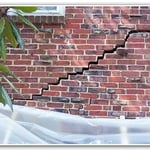
Brick Cracks
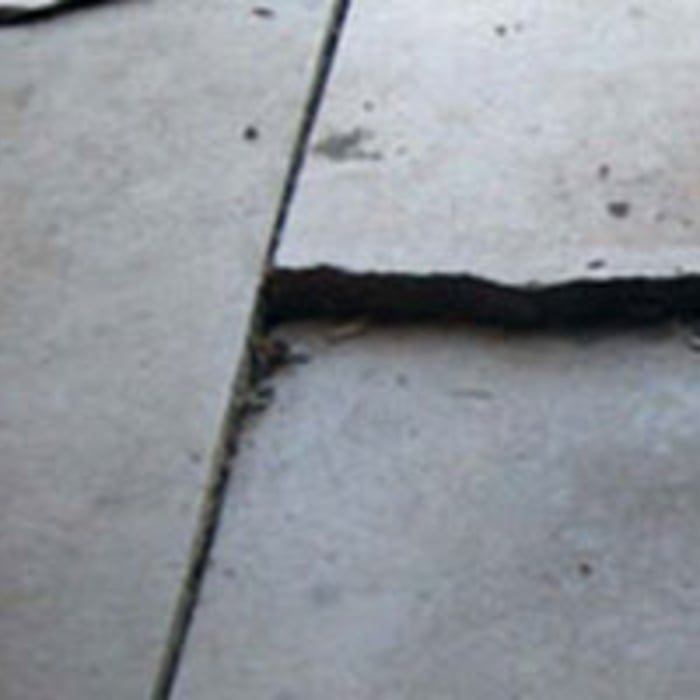
Slab Cracks
Slab Cracks

+1

Response time11 hrs
Recommended by91%of homeowners
Structural Engineering questions, answered by experts

Absolutely, as it ensures designs are viable and won’t compromise structural integrity.

No, a structural engineer is not the same as a builder. A structural engineer is an expert in all things related to the structural integrity of a building. The structural engineer is responsible for calculating the correct materials in terms of load-bearing capacity and overall structural safety. Structural engineers do not perform the actual building of the house or other structures. Rather, the builder executes the plans and designs specified by the structural engineer.

Building codes for spiral staircases will vary by your location. Most local codes will specify minimum tread width, riser height, handrail requirements, and headroom. These standards help ensure safety and accessibility for all users. Always check local codes before you begin the installation to ensure compliance and avoid costly modifications or fines.

Any issue that affects the structural integrity or soundness of a home is considered a structural issue. In addition to foundation cracks, other signs of structural issues include roof leaks, bowing walls, sloping floors, gaps around windows and doors, and more.

A freestanding brick wall that's only one brick thick can usually stand six to eight feet high. If you need a higher wall, it should be at least two bricks thick for adequate stability, and it might require a footing to support the added weight. Additionally, some areas have regulations and codes dictating how high a brick wall can be, so check with local code enforcers to ensure your proposed wall complies with any regulations.

The Dermott, AR homeowners’ guide to structural engineering services

From average costs to expert advice, get all the answers you need to get your job done.

What do you need done? We’ll find top pros.
  • 🌱 "Mow a small front yard"
  • 🛠 "Fix a leaking pipe under the sink"
  • 🏠 "Repair shingles on an asphalt roof"