




Top-rated deck cleaning pros.

Get matched with top deck cleaning pros in Charleston, AR

Enter your zip and get matched with up to 5 pros

Need a pro for your deck cleaning project in Charleston, AR?

Select your specific project to find the pro for you.

Find Deck cleaning pros in Charleston

Avatar for Mr. Handyman of Fort Smith
Mr. Handyman of Fort Smith
4.4(
7
)

Serving Charleston, AR and surrounding areas

Approved

In business since 2023

Free estimates

Warranties offered

Reliable, Trusted, and Professional Handyman Services\nMr. Handyman Offers World-Class Handyman Services In Your Local Neighborhood. Whether It's Small Job Or Huge Project, Our Handyman Professionals Are Here To Help.

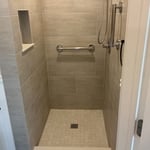
Bathroom Remodel
Response time6 hrs
48 neighbors recently requested a quote
Avatar for Memphis Aero Cleaning Solutions
Memphis Aero Cleaning Solutions
5.0(
7
)

Serving Charleston, AR and surrounding areas

In business since 2023

Free estimates

Small jobs welcome

"My inquiry was responded to quickly and they were able to work around my schedule. Looks brand new. The results were beautiful. They showed up on time and were respectful of the property."
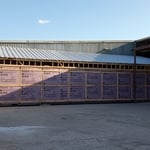
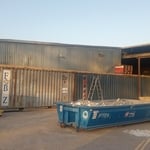
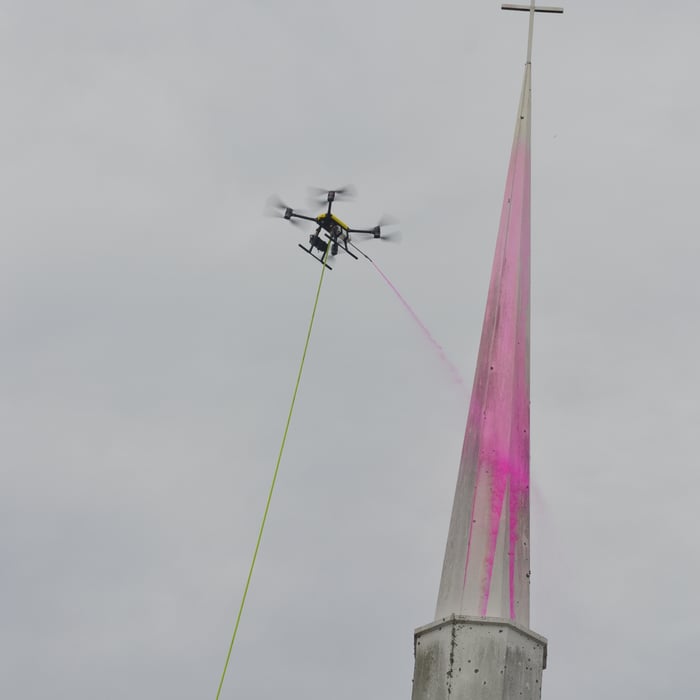
Steeple Base - Algae, Bird Droppings no more!
Entry way decoration.
Look Ma! No ropes!
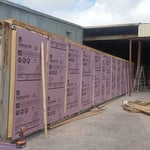
Pink coloring to see where its spraying.
No more organic debris soon!

+11

Response time2 days
Recommended by75%of homeowners
...
Showing 1-10 of 63
Deck Cleaning questions, answered by experts

Generally, a patio is more accessible than a standard deck because patios are constructed at ground level. However, decks can be made accessible by adding a wheelchair-accessible ramp, a vertical lift, or a stair lift along the entry. An ADA-compliant deck ramp costs about $3,000 on average. The additional investment will provide a much friendlier experience for your guests with movement impairments.

A deck that isn’t attached to a house is called a floating or freestanding deck. These standalone decks are built near ground level, so they usually don’t need deck stairs. Some don’t even require permits. Generally speaking, building a floating deck is faster and more DIY-friendly than constructing one that’s connected to your home.

The proper height for a stair riser or deck step is between four and seven inches, with seven inches often considered the most comfortable. Building your stairs to this height ensures a strain-free step position and minimizes the risk of trip and fall injuries. For optimal safety and comfort, especially on deck stairs, a rise of around seven inches should be paired with a tread depth (or run) of at least 10 to 12 inches. While it is possible to design stairs with risers up to 12 inches, this height can be challenging for children, pets, or individuals with mobility issues. Always check with your local building codes, as they may mandate specific dimensions that differ from these general recommendations.

Yes, deck pier blocks can be used as an alternative to traditional deck footings, especially for smaller or low-to-the-ground decks. Unlike poured concrete and buried post footings, deck blocks do not require digging or pouring. However, their use is dependent on local building codes. Some areas, particularly those prone to high winds, earthquakes, or hurricanes, may not permit the use of deck pier blocks. It is essential to consult your local building codes before choosing them for your deck project.

Building a deck isn't too hard if you’re handy with carpentry, have the necessary tools, and are willing to put effort into it. However, other factors, such as plans, permits, and design, can be hard if you don’t have experience in those areas.

Note: You’ll need another person to help you build the deck (especially for framing and setting the beams). Building a deck yourself will be very difficult if you don’t have an extra set of hands to help.

The Charleston, AR homeowners’ guide to deck cleaning services

From average costs to expert advice, get all the answers you need to get your job done.