






Top-rated energy efficiency auditors.

Get matched with top energy efficiency auditors in Samson, AL

Enter your zip and get matched with up to 5 pros

Need a pro for your energy efficiency auditing project in Samson, AL?

Select your specific project to find the pro for you.

Find Energy efficiency auditors in Samson

I Green Solutions Inc
4.8(
5
)
Energy Audit - For BusinessHome Energy Audit

Serving Samson, AL and surrounding areas

Approved

In business since 2010

Free estimates

Warranties offered

At iGreen Solutions Inc., we are your trusted local experts specializing in comprehensive exterior and interior home solutions. From roofing and seamless metal gutters to energy-efficient insulation and professional mold remediation, we pride ourselves on reliability, great communication, integrity, and quality workmanship. We believe in keeping our customers fully educated throughout every step of their project to ensure the best possible results. Whether it's a small residential repair or a large commercial project, we offer free estimates and look forward to earning your business!

27 neighbors recently requested a quote

Energy Efficiency Auditing questions, answered by experts

To determine the right size generator for your house, you should calculate the total wattage of the appliances and devices you want to power during an outage. List all essential items, note their start-up wattages, and add them together.

Here are some typical wattage requirements for common appliances:

  • Refrigerator: 600 watts

  • Large dehumidifier: 700 watts

  • Large window air conditioner: 1,400 watts

  • Water heater: 3,000 to 4,500 watts

  • Electric furnace: 5,000 to 25,000 watts

A 7,500-watt generator might be sufficient for essentials like a refrigerator, freezer, well pump, and lighting circuits. However, for high-demand items like a water heater or furnace, a whole-home generator is a better choice. A portable generator may be enough if you only need to power a few critical items.

While home square footage can offer a rough estimate, it is not always a reliable indicator. For reference, here are some typical generator sizes based on square footage:

  • 1,000 sq ft: 6–9 kW

  • 1,500 sq ft: 7–10 kW

  • 2,000 sq ft: 10–14 kW

  • 2,500 sq ft: 12–16 kW

  • 3,000 sq ft: 16–20 kW+

For the most accurate sizing, consult a professional who can calculate your home's peak and average power consumption and recommend the optimal generator.

Yes, these services often increase home value by preventing moisture-related issues and enhancing the usable space in basements or crawlspaces.

The number one culprit of high energy bills is older appliances, especially fridges and freezers that are left on all the time. These two appliances tend to last a long time, which is good, but it also means that newer models are usually significantly more energy-efficient due to upgraded technology. The second most common reason for a high bill is heating and air conditioning.

The extra insulation helps reduce energy costs by minimizing drafts and temperature exchange between indoors and outdoors.

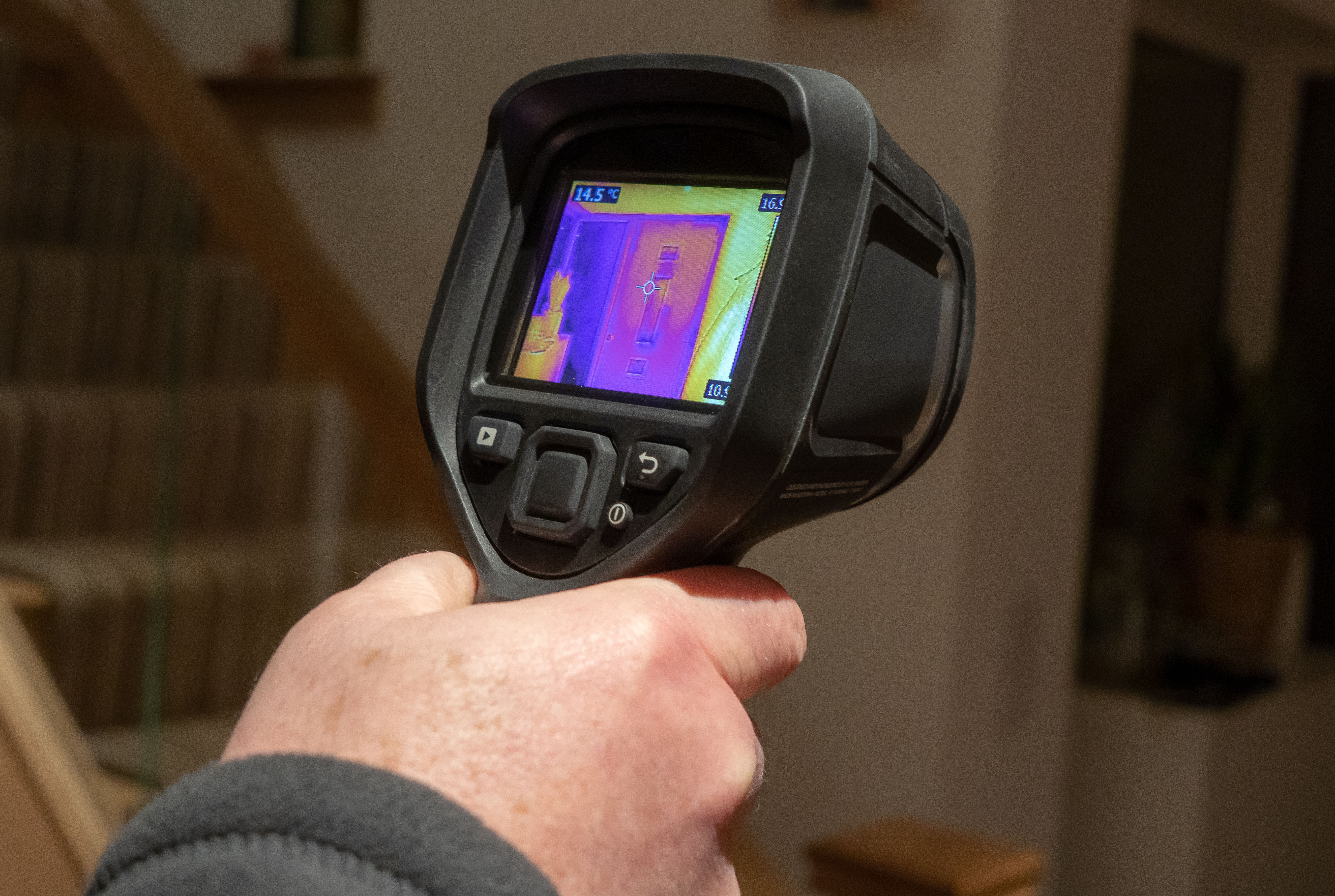
The difference between an energy auditor and a home inspector is primarily in the purpose of the inspection. The energy auditor conducts tests in your home to determine the energy efficiency levels in areas like windows, insulation, and doorways. The auditor then makes recommendations for ways to improve a home’s energy efficiency

A home inspector examines various structures of your home to determine that everything is up to code and gauge the condition of features like the roof, foundation, HVAC, and electrical. The home inspector reports on the overall home and makes repair recommendations.

The Samson, AL homeowners’ guide to energy efficiency auditing services

From average costs to expert advice, get all the answers you need to get your job done.