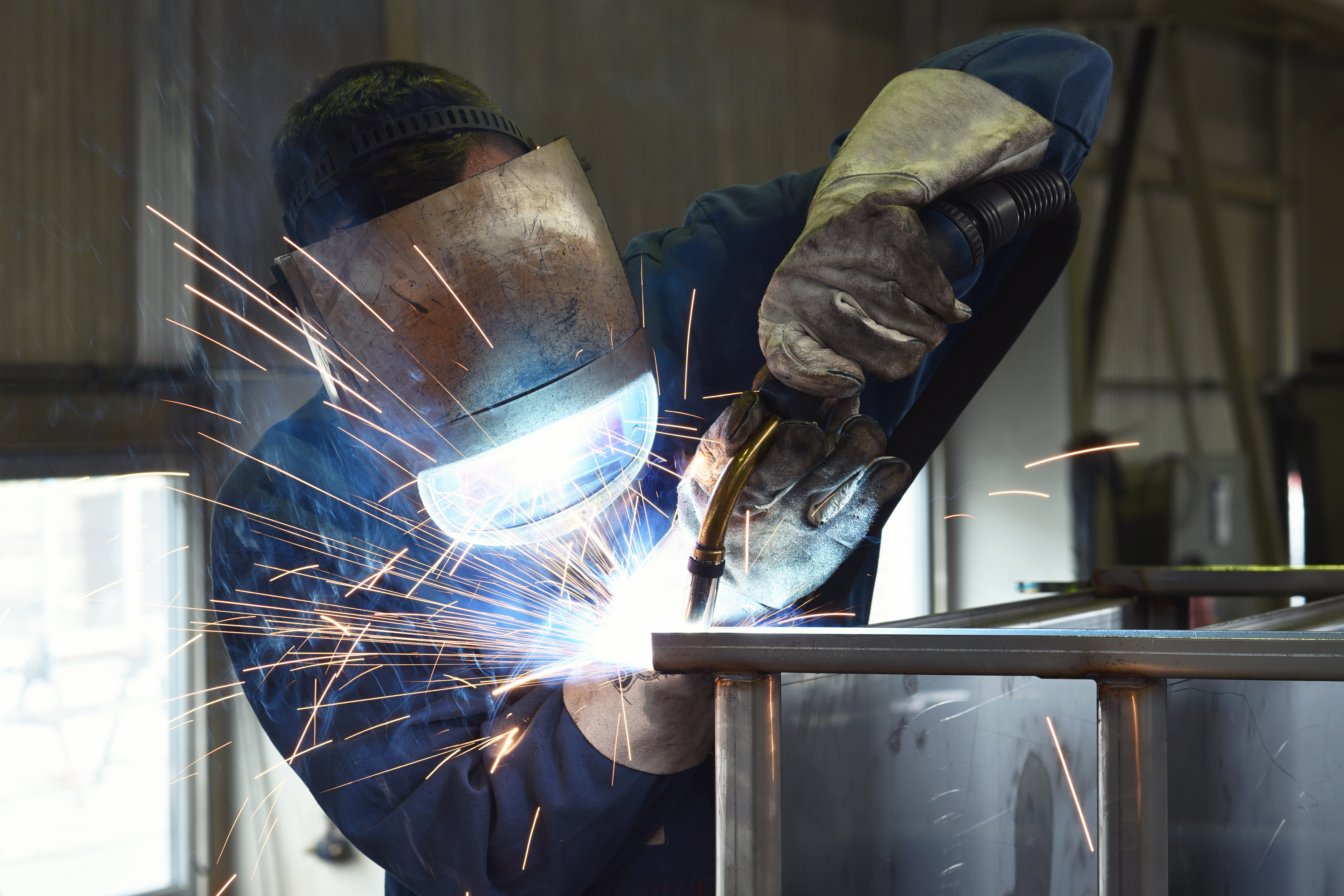

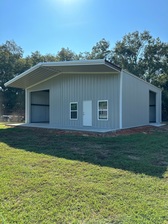
Top-rated welders.

Get matched with top welders in Pinckard, AL

Enter your zip and get matched with up to 5 pros

Need a pro for your welding project in Pinckard, AL?

Select your specific project to find the pro for you.

Find Welders in Pinckard

Avatar for Johnson Welding
Johnson Welding
5.0(
1
)

Serving Pinckard, AL and surrounding areas

In business since 2023

Free estimates

Offers commercial services

"They were very punctual and worked nonstop until made surejob was completed ahead of schedule.They also put the customer wants and needs first and made sure I was happy with the finished product. I definitely will be using these guys on all my projects."
Response time11 hrs
Recommended by100%of homeowners
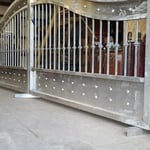
Neals Welding
New to Angi

Serving Pinckard, AL and surrounding areas

In business since 2021

Free estimates

Credit card accepted

We are a locally owned and operated company that values honesty and integrity and treats your home as if it were our own. We have many years of experience to give you confidence that we are your number one choice for your next home project. You will find us to be competitively priced with close attention to the details. We look forward to building a lasting relationship and guarantee your satisfaction!

Showing 1-10 of 45
Welding questions, answered by experts

This all depends on the tools you have on hand and whether you’re trying to cut a straight line or shapes. 

The best tool to use for straight lines is either a circular saw or table saw. When cutting shapes, a jigsaw will be the easiest and most precise tool to use. 

Welders use a variety of methods in their trade. Different types of welding are better suited for different purposes and contexts. For example, stick welding is a versatile form suitable for most metals and alloys. The most common types of welding include:

  • Stick welding: $100–$1,000

  • Metal Inert Gas (MIG) welding: $250 and up

  • Tungsten Inert Gas (TIG) welding: $250 and up

  • Gas welding: $150 and up

  • Forge welding: $15–$25 per hour

It will likely take an experienced pro less than an hour to install a ground rod, which is another reason why letting them handle the job is such a good idea. Safety concerns aside, it would likely take you much longer to install a ground rod if you decided to take this one as a DIY job.

Yes, you can use a saw to cut metal pipes. The best saw to use is a reciprocating saw, but even a fine-tooth hacksaw can get the job done. No matter which saw you use to cut metal pipes, wear protective gear, like work gloves, safety goggles, and ear plugs. Apply a firm, steady pressure to the tool, and always ensure the pipes are secured so they don't move while you make the cuts.

Cutting rectangular ductwork requires careful measurements and the right technique. Use a measuring tape and pencil to mark the cutting lines accurately. Tin snips are excellent for straight cuts on smaller ducts. For more extensive or thicker rectangular ducts, a reciprocating saw with a metal-cutting blade is effective. 

Ensure the duct is well-supported and secure while cutting to prevent wobbling and maintain precision. After cutting, use a metal file to smooth any sharp edges, ensuring safety during installation. 

The Pinckard, AL homeowners’ guide to welding services

From average costs to expert advice, get all the answers you need to get your job done.