When pests show up, so do we.\n\nFor nearly a century, Terminix® has been one of America's most trusted names in pest control. Every day, our exterminators serve thousands of homes and businesses nationwide, combining national service with local knowledge to provide best-in-class, proactive pest management solutions. We stop problems before they start and respond quickly if issues arise, keeping your property protected.\n\nAnd for extra peace of mind, if pests come back, so do we‐guaranteed.\n\nThe Terminix It Guarantee means that if pests come back, so do we to re-treat at no additional cost. No excuses, just a commitment to care for your home like it's our own with protection you can trust.3
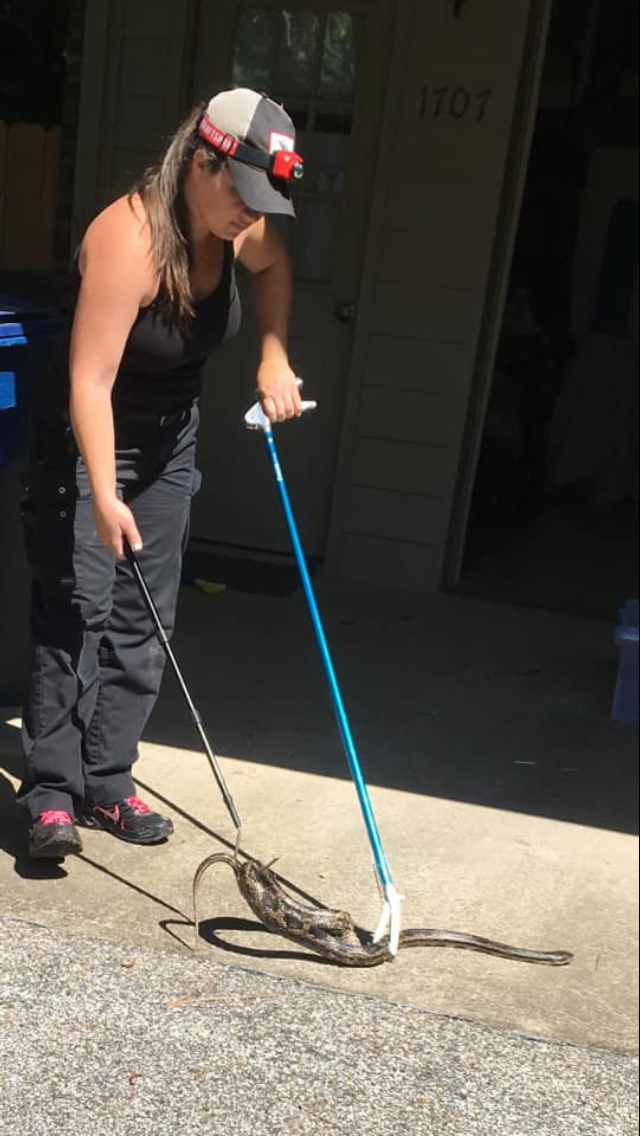
Licensed trapping and/or removal of the following species: Bed Bugs, Bats, Snakes, Raccoons, Opossums, Squirrels, Chipmunks, Flying Squirrels, Rats, Mice, Coyotes, Fox, Feral Hogs. 6+ years in the industry. 15 years experience. \n\nExclusion/Home Repair Services: Sealing construction gaps and repairing damage caused by animals. 15+ years construction experience.
"When they came, we evidently had chimney swifts in our chimney and they couldn't remove them (by law due to it being an endangered species). By the time the birds were gone and we called them back, the coupon had expired. "
We have the experience and we are committed to providing quality workmanship and superior customer service on all our applications. We at Urban Wildlife Solutions L.L.C. strive to maintain our reputation as a high quality, very service oriented company with our main focus being customer satisfaction.
Since 1932, Presto-X (formerly Anderson Pest Solutions) has been providing expert pest control services guided by the enduring principles of providing world class service to our customers and taking care of our colleagues. Presto-X covers your home or business with expert knowledge, professionally licensed and trained technicians, and exemplary service designed specifically for you.
Woodpeckers usually feed on homes when there is a food source present, and termites are one possible source. However, the presence of woodpeckers doesn’t necessarily mean there are termites. They may also be feeding on more harmless insects like ants or spiders. If woodpeckers seem drawn to one particular part of your home’s siding, it might be worth hiring a termite inspector to check for the presence of these pesky critters.
Regular cleaning, proper food storage, sealing entry points, and professional inspections help prevent infestations.
Keeping your pool cover clean is a good way to keep smaller animals from running across it or using it as shelter. Small animals may use leaf debris on top of the cover to hide. Cleaning also removes nuts that may fall from a nearby tree that could otherwise be a tempting snack for some animals, like squirrels.
Hanging wind chimes or motion-activated speakers near your home may be an effective way to deter woodpeckers, as sudden movement and sound often scare birds away. You could also try using reflective decorative items such as pinwheels or mirrors or placing decoys of large predatory birds in your yard. If these measures don’t deter the woodpeckers, you may need the help of a bird removal pro.
Finding a dead bat in your home can be frightening, even during spooky season. The United States Department of Interior states that if you find a dead bat, take these steps:
Photograph the bat safely to help the wildlife agency determine the species
Use disposable gloves to place the bat into a plastic bag, making sure to spray with disinfectant and close the bag securely
Thoroughly clean your hands and any clothing that came into contact with the bat
If you see one dead bat, you might have a large bat infestation that needs to be treated immediately. Call a local pest control company to properly inspect your home for other bats.
The Megargel, AL homeowners’ guide to bird control services
From average costs to expert advice, get all the answers you need to get your job done.
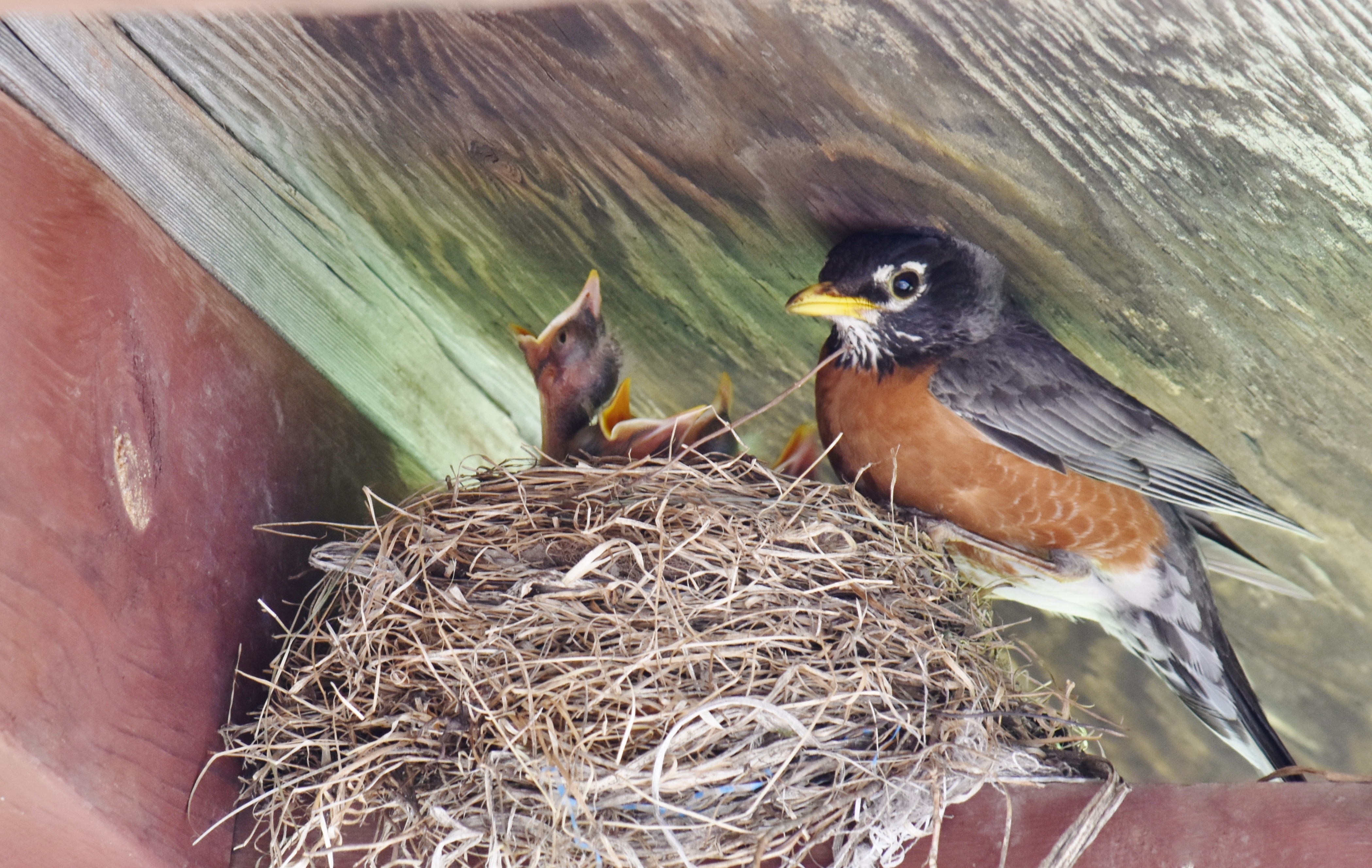
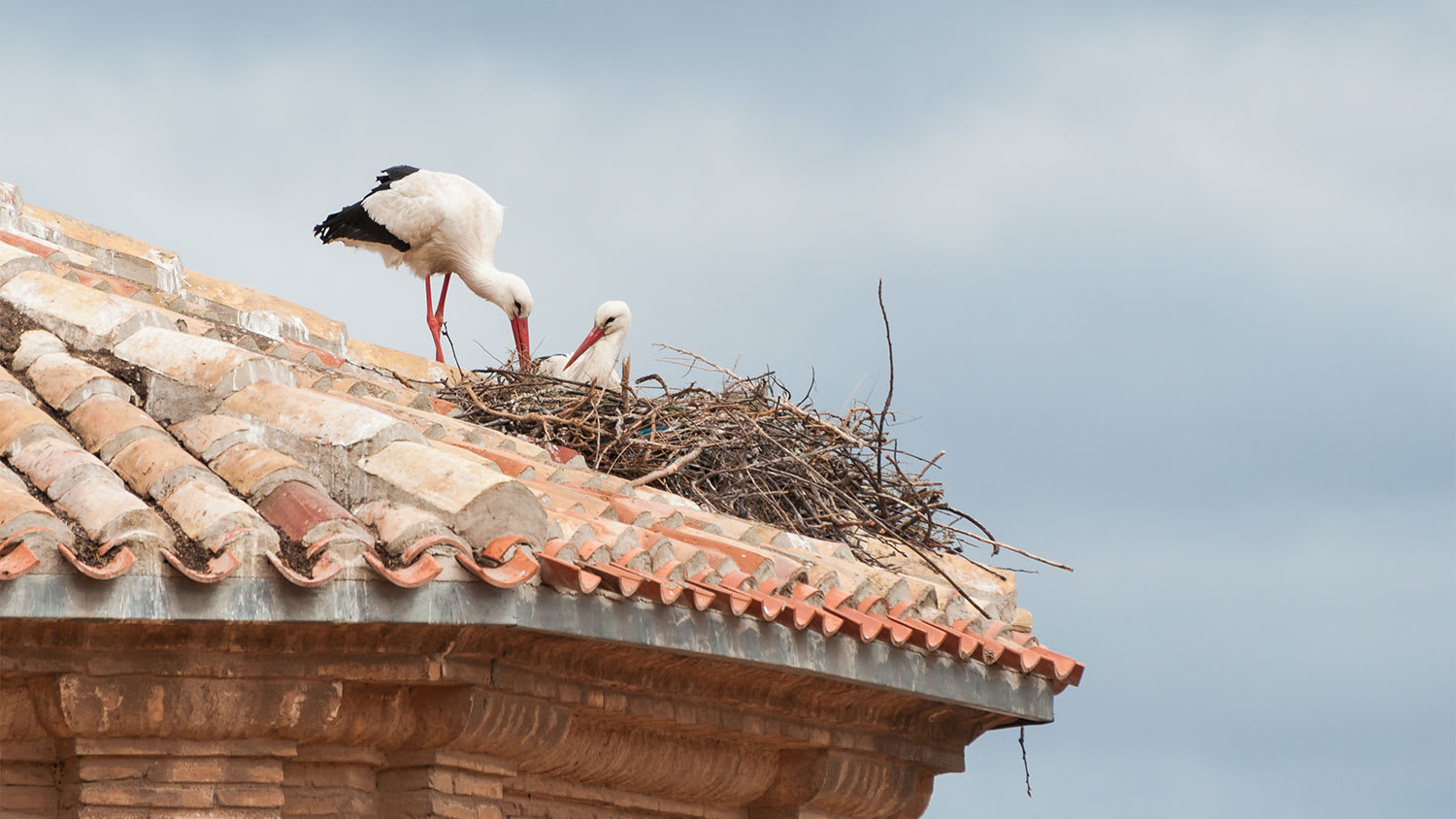
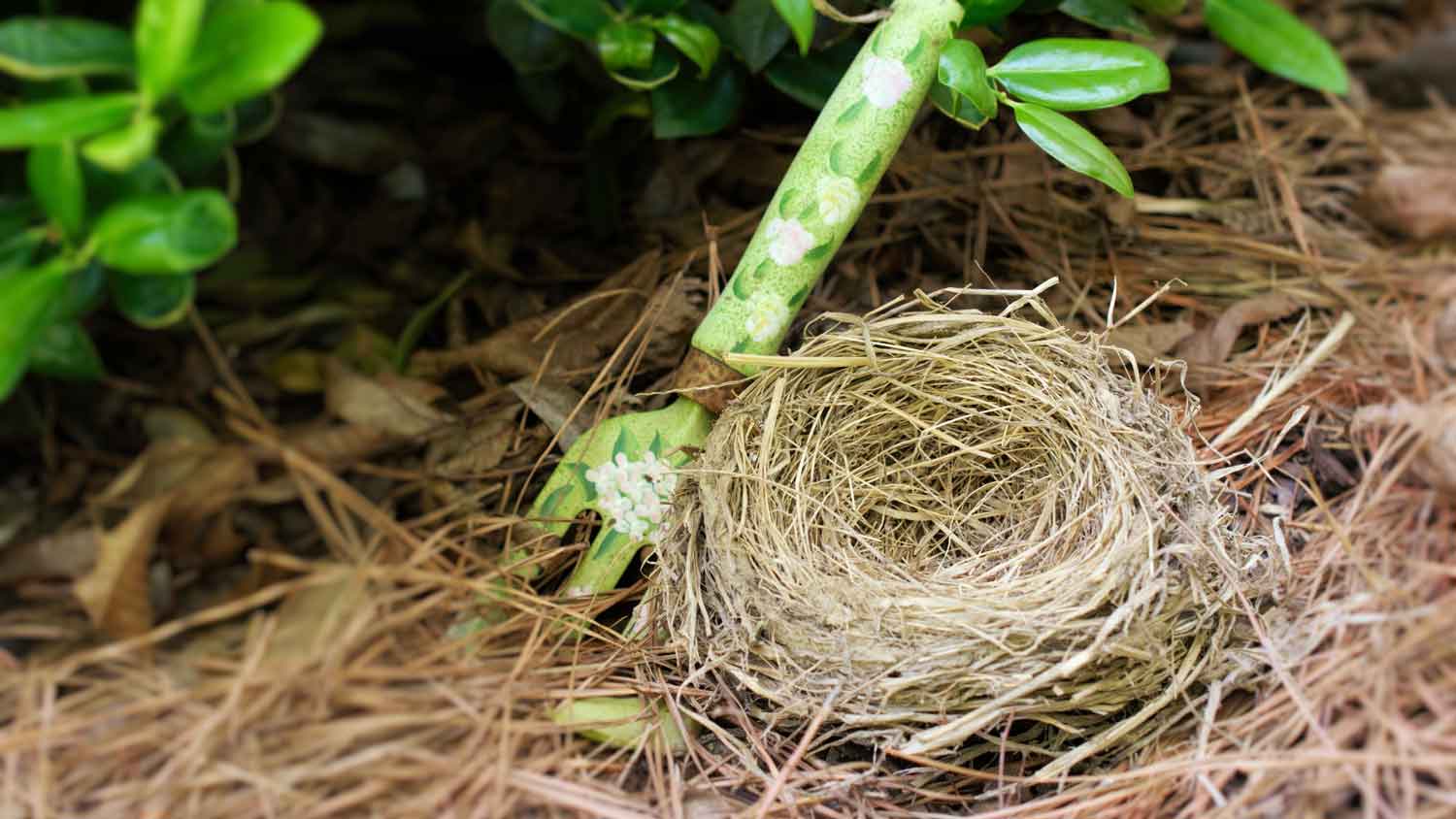
Sometimes birds nest in unwelcome places. Find out how much bird nest removal will cost based on factors like location, bird species, and preventative measures.