

Top-rated excavation pros.

Get matched with top excavation pros in Locust Fork, AL

Enter your zip and get matched with up to 5 pros

Need a pro for your excavation project in Locust Fork, AL?

Select your specific project to find the pro for you.

TRUSTED BY LOCUST FORK, AL HOMEOWNERS

  • Average homeowner rating star icon4.9
    Average homeowner rating
  • Verified reviews icon19
    Verified excavation services reviews

Find Excavation pros in Locust Fork

Avatar for Anthony's Lawn Care
Anthony's Lawn Care
4.8(
68
)

Serving Locust Fork, AL and surrounding areas

Approved

In business since 2013

Free estimates

Emergency services offered

"Anthony is a very dedicated person. He leaves a work area in top condition. He is dependable, trustworthy, diligent and satisfaction oriented. You will not go wrong when you choose Anthony's as your lawn care provider."
Anthony's Lawn Care
3 neighbors recently requested a quote
Recommended by84%of homeowners
Avatar for Frontier Land Development
Frontier Land Development
5.0(
2
)

Serving Locust Fork, AL and surrounding areas

Approved

In business since 2022

Free estimates

Credit card accepted

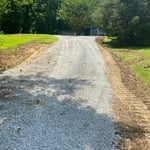
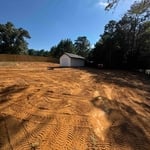
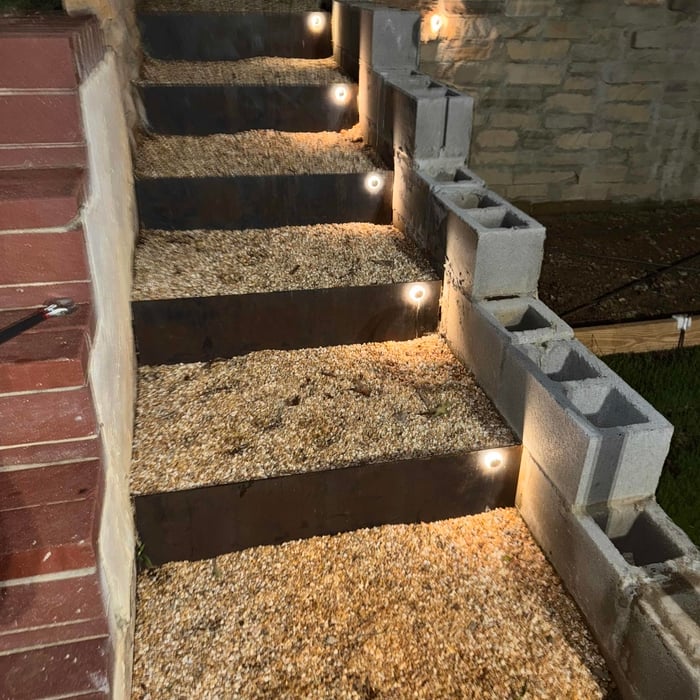
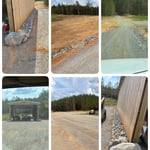
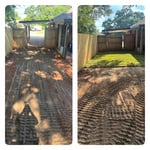
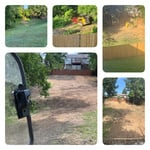
Welcome to my Page, My name is Campbell and I own Frontier Development. We specialize in steel and excavation. The difference between us is in the details. We offer in house CAD design for custom projects when it comes to structural and cosmetic fabrication. On our excavation side we offer full on landscape services as well as clearing and grading large scale pasture.

Land Clearing
Land Clearing
Land Clearing
Land Clearing
Land Clearing

+16

1 neighbors recently requested a quote
...
Showing 1-10 of 123
Excavating questions, answered by experts

How deep your septic system needs to be into the ground depends on several factors. In extremely cold environments, the tank needs to rest below the maximum frost line, which can be up to six or eight feet deep. The standard burying depth for most systems is between a few inches and four feet below ground level. Depth can also depend on the slope of the landscaping and other property variables. 

Underground downspouts refer to the sections of downspout extensions that lead away from your home and gutter system. While they cost more than traditional extensions, they can provide several benefits, such as less frequent damage and no need to move them for lawn care tasks. Whether they're worth it or not depends on your budget at installation time and how much convenience they'll add to your situation.

The best type of soil to build on is a mixture of sand and clay, known as loam soil. Loam soil has the best combination of these soil types to build a foundation on. The clay particles help with water retention, so it won’t erode like sandy soil might, and the sandy particles help with drainage, so you won’t see unsafe soil expansion or have an increased risk of leaks from water sitting against your foundation.

Most residential basements are 8 to 10 feet deep. You can dig deeper depending on building codes, but it does become more difficult. You’ll likely need to install stronger foundation walls and additional supports to handle the increased load. Depending on the water table, you may also need a water management system. Clay soil can support a deeper foundation than sandy soil. A structural engineer will be able to tell you the maximum, feasible depth.

Water lines are buried at various depths, depending on the type of line. For example, most sprinkler lines are buried between four and 12 inches underground. On the other hand, water mains usually sit between one and 3 feet below ground. However, they can go even deeper in cold climates to prevent freezing.

The Locust Fork, AL homeowners’ guide to excavation services

From average costs to expert advice, get all the answers you need to get your job done.