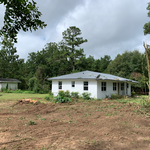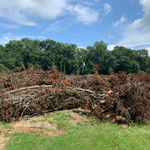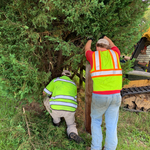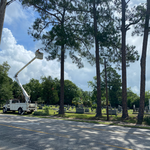






Top-rated excavation pros.

Get matched with top excavation pros in Letohatchee, AL

Enter your zip and get matched with up to 5 pros

Need a pro for your excavation project in Letohatchee, AL?

Select your specific project to find the pro for you.

Find Excavation pros in Letohatchee

Avatar for Daniel Excavation Services, LLC
Daniel Excavation Services, LLC
5.0(
4
)

Serving Letohatchee, AL and surrounding areas

In business since 2024

Free estimates

Credit card accepted

""I was so impressed with the customer service I received from this company. Paul was very friendly and knowledgeable about the mobile home pad, and septic system we needed installed. Paul went above and beyond to make sure I was satisfied". I would highly recommend Daniel Excavation Services LLC."
Response time1 day
Recommended by100%of homeowners
Avatar for Daniel Brown
Daniel Brown
5.0(
1
)

Serving Letohatchee, AL and surrounding areas

Free estimates

Emergency services offered

Credit card accepted

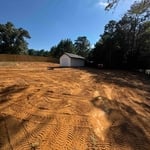
"Fast and professional crew! Came out on time, cleared several acres of land for me and made it look great! Property was clear of any debris when they left. They also graded the area nicely so it wouldn’t wash out. Trees and brush were hauled away quickly by them and they worked around what I wanted done. Would hire again."
Treching the core to hold the liner
Unfolding the liner to pull into the pond for intsall
Installed. Now working out the rinkles
Additional Photos
Additional Photos

+10

Recommended by100%of homeowners
Showing 1-10 of 45
Excavating questions, answered by experts

Septic drain lines (or leach lines) are typically buried between 18 and 36 inches underground, and should be at least 6 inches below the surface. These pipes are perforated and surrounded by filtering materials like sand or gravel. Burying the lines at this depth helps minimize odors and allows bacteria and other biological processes in the soil to effectively treat the wastewater. Burying lines too close to the surface can cause issues unless the soil is very compact and stable.

The physical constraints of hand-drilling a well limit the depth you can achieve. Manually digging with picks and shovels may only lead to shallow wells of up to 60 feet in depth. To reach greater depths, you need more specialized equipment. The diameter of your well and the tools you’re using will determine how far down you can dig.

You can bury underground electrical wire six inches deep—but only if you use a rigid metal electrical conduit. For rigid, non-metallic conduits, bury the wire at least 12 inches deep. If using an underground feeder cable rated for direct burial, you'll need to place it at least 18 inches deep, as it has no conduit for extra protection.

Digging a bush up by the roots is the most natural DIY method for removing a bush stump. Start by identifying the shrub type and revealing its roots. Cut the shrub to its base and loosen the soil, ensuring no utility lines are nearby. Optionally, treat the base with herbicide, then dig around the roots and cut a circle around the shrub using various tools. Dig a trench, cut the base of the root ball, and finally fill the hole to prevent regrowth. This thorough process ensures complete removal without damaging surrounding areas.

How deep your septic system needs to be into the ground depends on several factors. In extremely cold environments, the tank needs to rest below the maximum frost line, which can be up to six or eight feet deep. The standard burying depth for most systems is between a few inches and four feet below ground level. Depth can also depend on the slope of the landscaping and other property variables. 

The Letohatchee, AL homeowners’ guide to excavation services

From average costs to expert advice, get all the answers you need to get your job done.

What do you need done? We’ll find top pros.
  • 🌱 "Mow a small front yard"
  • 🛠 "Fix a leaking pipe under the sink"
  • 🏠 "Repair shingles on an asphalt roof"