


Top-rated asphalt driveway pros.

Get matched with top asphalt driveway pros in Lafayette, AL

Enter your zip and get matched with up to 5 pros

Need a pro for your asphalt driveway service project in Lafayette, AL?

Select your specific project to find the pro for you.

Find Asphalt driveway pros in Lafayette

Avatar for Pro One Concrete Contractor Co, LLC
Pro One Concrete Contractor Co, LLC
5.0(
6
)
Concrete Driveways - Install

Serving Lafayette, AL and surrounding areas

Approved

In business since 2020

Free estimates

Credit card accepted

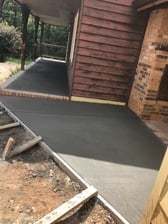
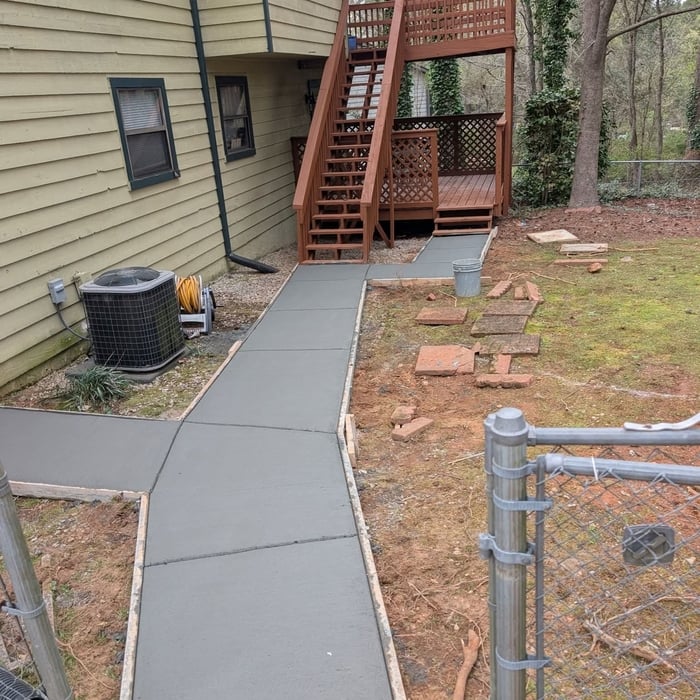
Specializing in concrete! We always guarantee your satisfaction and won?t leave until the job is done right. We take pride in ourselves and on the quality work we provide, while always delivering great customer service! Check out our services offered, then call --or-- click to schedule a free estimate today!\n

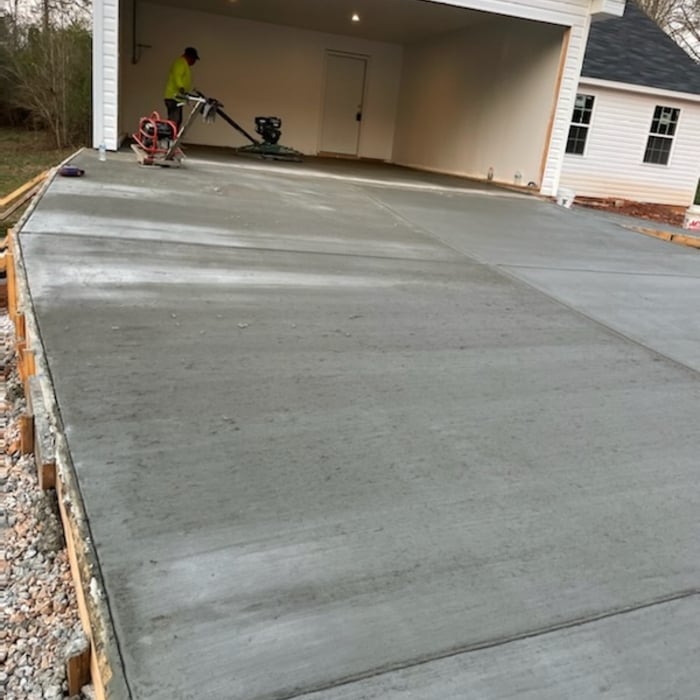
Concrete
Concrete
Superior work
Great job
Stellar

+33

2 neighbors recently requested a quote
Avatar for S & E Masonry, LLC
S & E Masonry, LLC
5.0(
1
)
Interlocking Pavers for Driveways & Floors - Install

Serving Lafayette, AL and surrounding areas

Approved

In business since 1999

Free estimates

Small jobs welcome

With over 20 years of experience in the Masonry industry, we are the experts you need to take care of your home or business. We handle everything from repairs to installs. We will treat your home as we would treat our own. Give S & E Masonry a call today, we look forward to working with you!

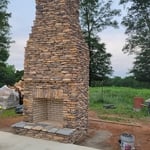
Outside Fireplace
Outside Fireplace
Outside Fireplace
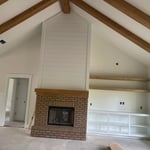
Different type of Jobs

+18

Response time3 days
2 neighbors recently requested a quote
...
Showing 1-10 of 85
Asphalt Driveways questions, answered by experts

Asphalt and tarmac are not the same thing. Traditional tarmac, short for tarmacadam, uses tar as a binder to hold crushed stone together. Asphalt uses bitumen—a byproduct of crude oil—to bind aggregate. Though tarmac was once a go-to for roads, asphalt has become the modern standard. And these days, most surfaces referred to as “tarmac” are actually asphalt. So, while the names may overlap, the key distinction lies in the binder—tar for tarmac and bitumen for asphalt.

Gravel is the most economical and least expensive driveway material, costing between $1 and $3 per square foot. This is significantly cheaper than alternatives like asphalt or concrete. However, it's important to consider long-term costs, as gravel driveways require regular maintenance. You will likely need to add new gravel filling once or twice a year and regularly rake it to keep it level, which can add to the overall cost over time.

If you notice minor cosmetic problems with your driveway, you should seal it. Look out for cracks and holes on the surface, faded asphalt or concrete, and stains from oil and other chemicals. Replacing your driveway may be necessary if you’re dealing with significant problems—¼-inch cracks, large potholes, and puddles from drainage issues. The cost to install an asphalt driveway typically ranges between $4,200 and $9,000, significantly more than resealing. Consider talking to a professional to discuss whether resurfacing your driveway—a midway project between resealing and replacing—is a better option for you.

When comparing installation costs, asphalt is often less expensive upfront than concrete. Asphalt prices typically range from $7 to $15 per square foot, while concrete can range from $3 to $18 per square foot. However, long-term costs should also be considered. Concrete driveways generally last longer (up to twice as long) and require less maintenance, which can make them more affordable over their lifespan. While asphalt has a lower installation cost and is easier to repair, it requires more frequent maintenance, such as sealing, which can add up over time. Therefore, while concrete is more expensive initially, its durability may offset the cost in the long run.
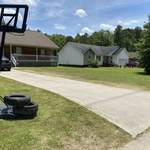
While blacktop is a type of asphalt, the terms should not be used interchangeably, as not all asphalt qualifies as blacktop. The primary differences are in their composition, production process, and ideal applications. Blacktop contains more stone than other types of asphalt and is heated to a higher temperature during production—300°F or more—while hot-mix asphalt is heated to between 275°F and 300°F. The ratio of bitumen (a tar-like crude oil) is a key differentiator, though sources vary: some state blacktop has less bitumen, making it less durable, while others claim it has a higher ratio. Due to these differences, asphalt is generally more durable and better for high-traffic areas like highways and streets, while blacktop is more suitable for playgrounds and residential driveways. For a driveway project, it is best to consult a professional to determine the most appropriate material.

The Lafayette, AL homeowners’ guide to asphalt driveway services

From average costs to expert advice, get all the answers you need to get your job done.