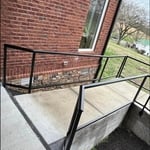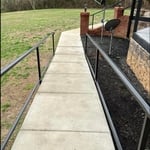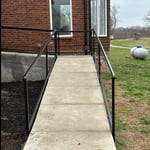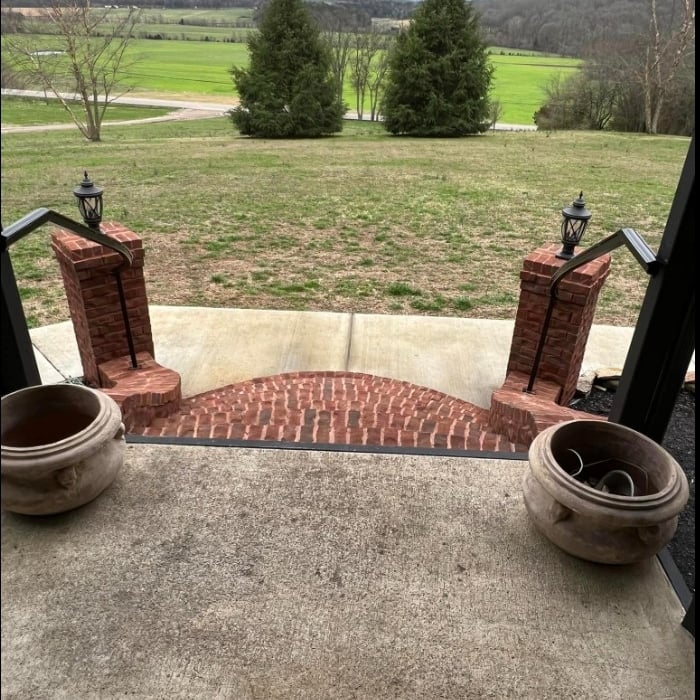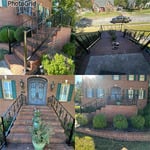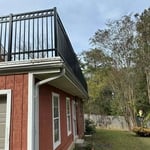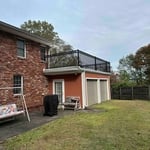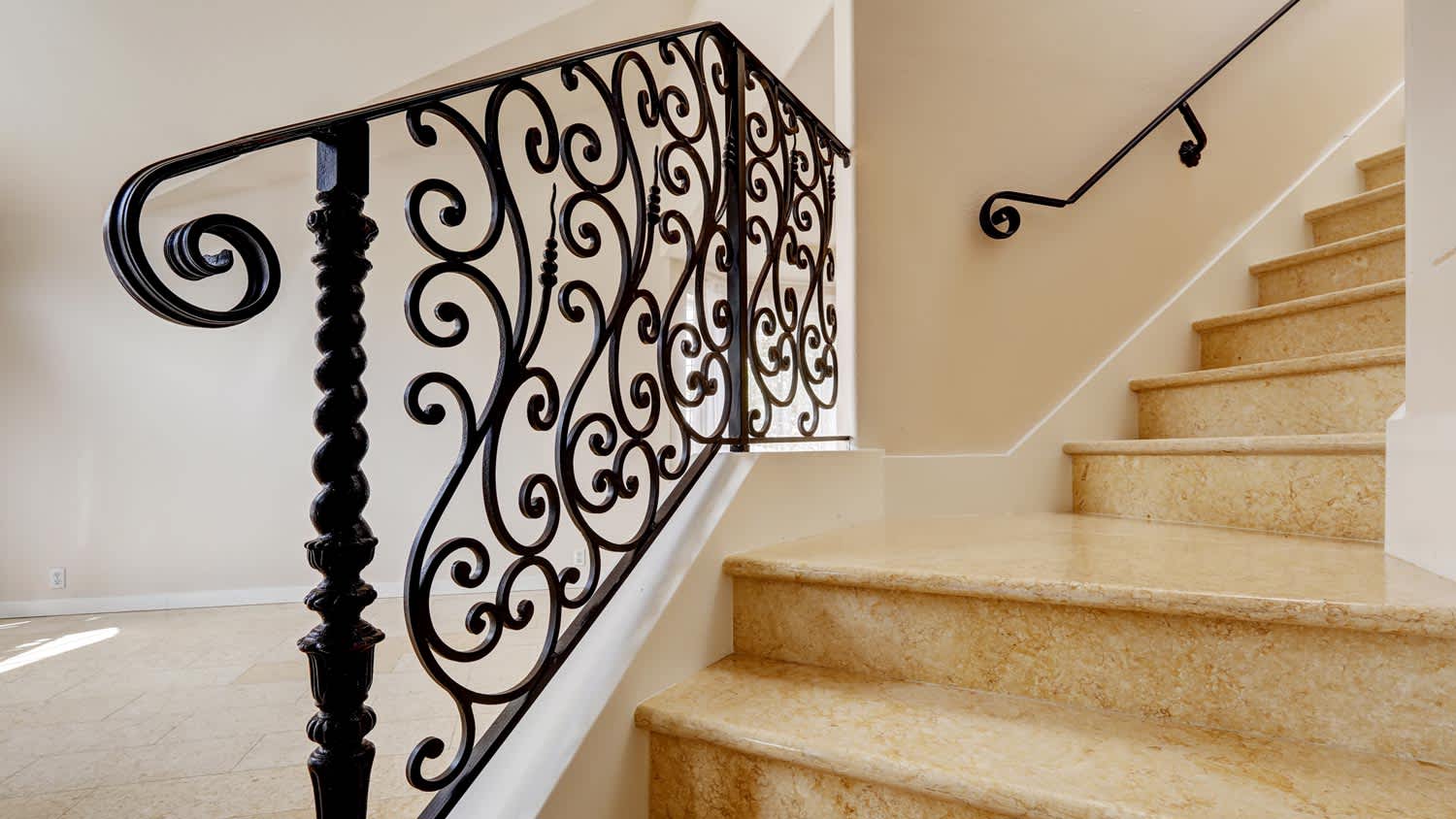


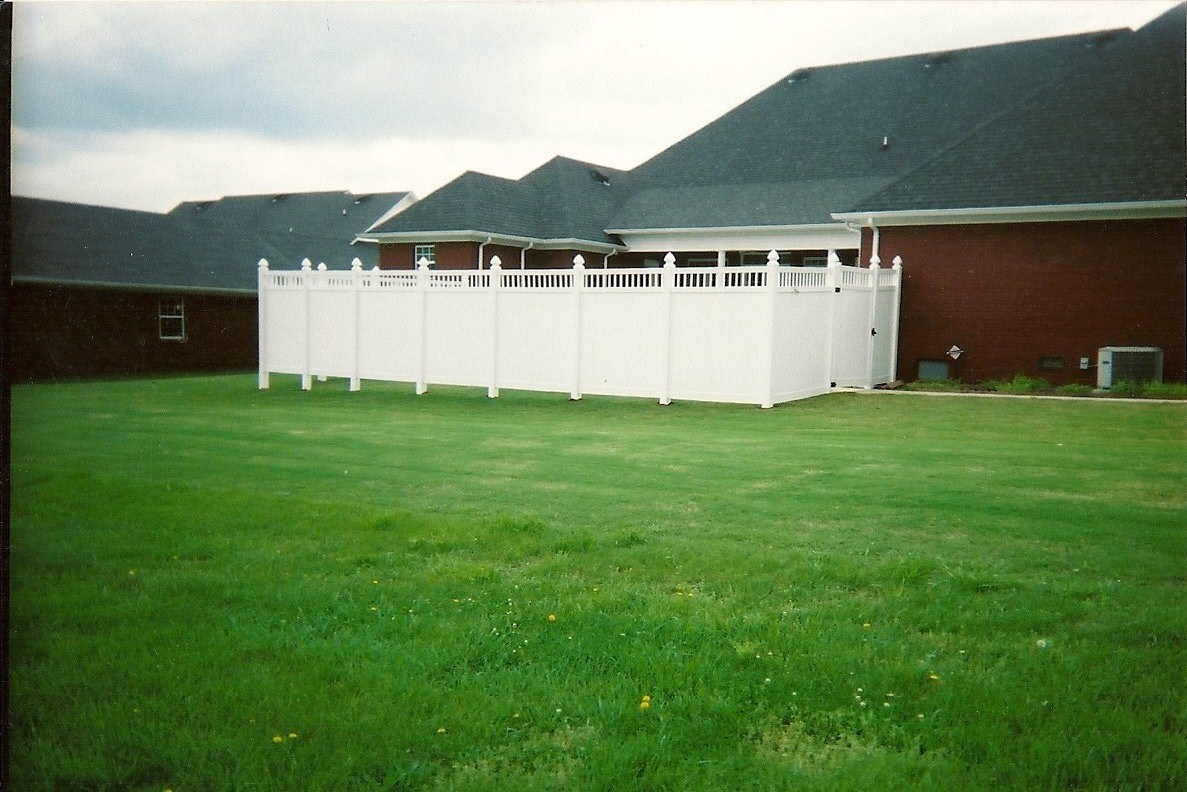
"Amazing craftsman, always kept me informed on the progress. Beautiful work! We will be having Josh do our future railing to our back porch. Worth every penny."
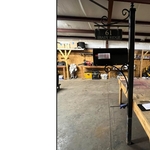
We take great pride our experience, expertise, quality, and customer service that we provide to meet the consumer's needs. It is our mission to provide excellent workmanship and complete customer satisfaction, from the start to the completion of a project. order to understand the needs and expectations of our customers, we take great care to work and communicate with every customer a professional manner. Our reputation is based on service, safety, and quality, regardless of how large or small the job.
I'm a husband, father of five children devoted Christian. Here to be the best I can be everyday. Built with honesty, integrity and a high demanding work ethic.
Yes, you can use a saw to cut metal pipes. The best saw to use is a reciprocating saw, but even a fine-tooth hacksaw can get the job done. No matter which saw you use to cut metal pipes, wear protective gear, like work gloves, safety goggles, and ear plugs. Apply a firm, steady pressure to the tool, and always ensure the pipes are secured so they don't move while you make the cuts.
Since water heaters are primarily made of metal, they’re commonly accepted by scrap yards and collectors. Don’t expect to fetch a high price, though—water heaters are mostly steel and aluminum, which aren’t high-value metals. Some components are made of more valuable metals, like brass and copper, but they’re a small portion of the heater and won’t affect the price much.
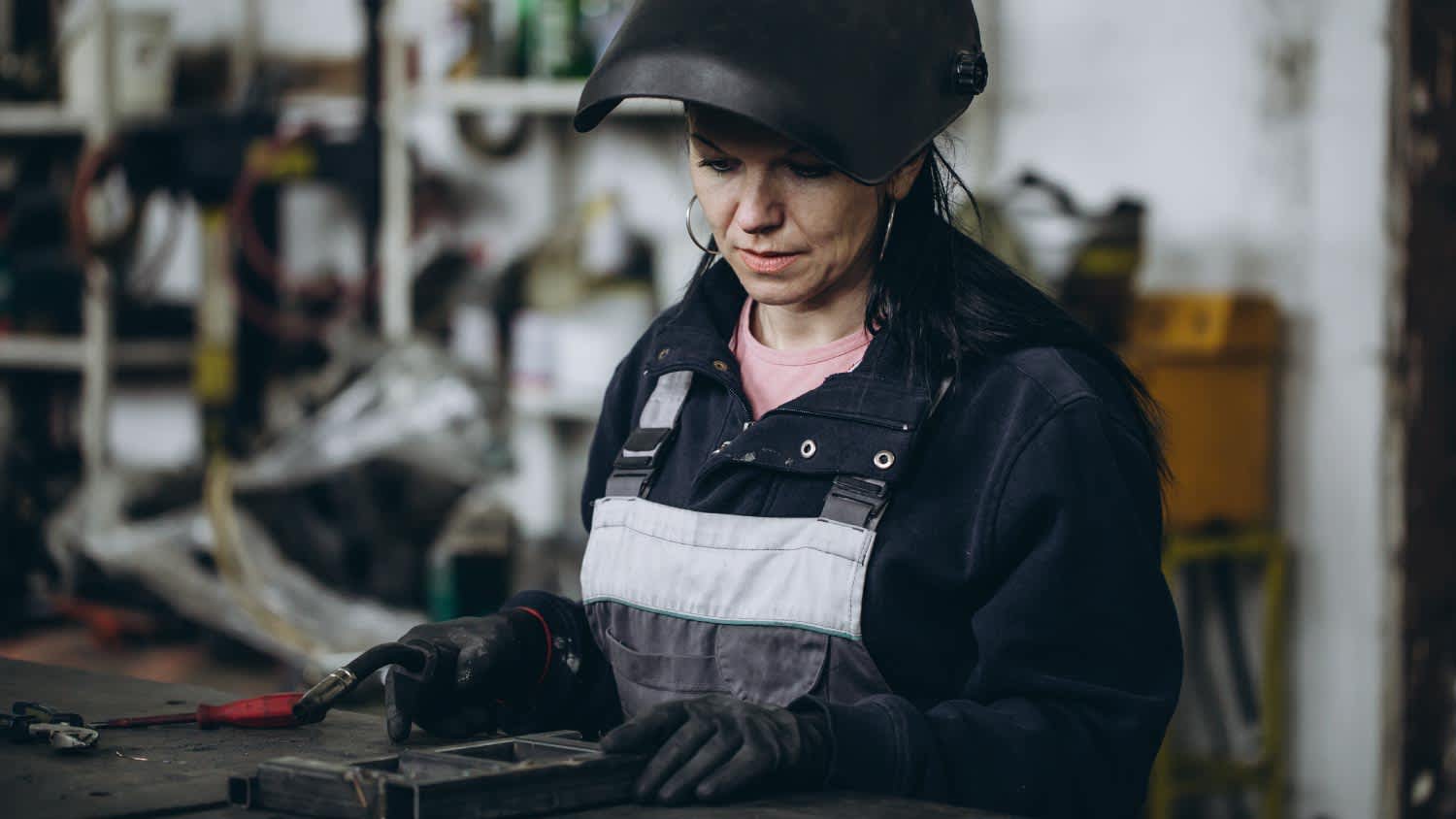
There are a few things you can ask welders before you hire them to get an idea of their experience and ability levels:
Are you licensed and certified?
How long have you been in the welding business?
Do you commonly do the type of welding I need?
Do you offer any kind of warranty for your work?
Do you charge by the hour or by the project?
How long do you expect my welding project to take?
What steps do you take to minimize errors in your work?
The average cost for a welding project is about $300, with typical costs ranging from $125 to $490. However, prices can be as low as $125 for very small jobs or exceed $1,200 for large or complex projects. Welders typically charge an hourly rate between $65 and $150, depending on their experience, and many charge a minimum fee to cover overhead and travel expenses. The total cost is influenced by several factors, including labor, the cost of materials like metal rods and shielding gas, the type of metal being welded, the project's size and complexity, and your geographic location. For a precise quote, it's best to ask a local welder for an estimate based on your specific project.
It will likely take an experienced pro less than an hour to install a ground rod, which is another reason why letting them handle the job is such a good idea. Safety concerns aside, it would likely take you much longer to install a ground rod if you decided to take this one as a DIY job.
The Gurley, AL homeowners’ guide to welding services
From average costs to expert advice, get all the answers you need to get your job done.
When you need help with a metal project and don’t have the expertise or the time, call an expert welder for your project. Here’s how to vet and hire a welder.