





Top-rated grill assembly pros.

Get matched with top grill assembly pros in Fayette, AL

Enter your zip and get matched with up to 5 pros

Need a pro for your grill assembly project in Fayette, AL?

Select your specific project to find the pro for you.

Find Grill assembly pros in Fayette

Lollar’s Appliance
New to Angi

Serving Fayette, AL and surrounding areas

In business since 2012

Lollar Construction offers customers top of the line home repair. Whether you need a wall repaired or you want to build an addition onto your house, we are here to help you get the job done. We work on every job as if we're working on our house. When ever we do a job we make sure that we not only do the job to code, but we go above what is required by code so you will always feel safe and know that your job was done with utmost of care.

Grill Assembly questions, answered by experts

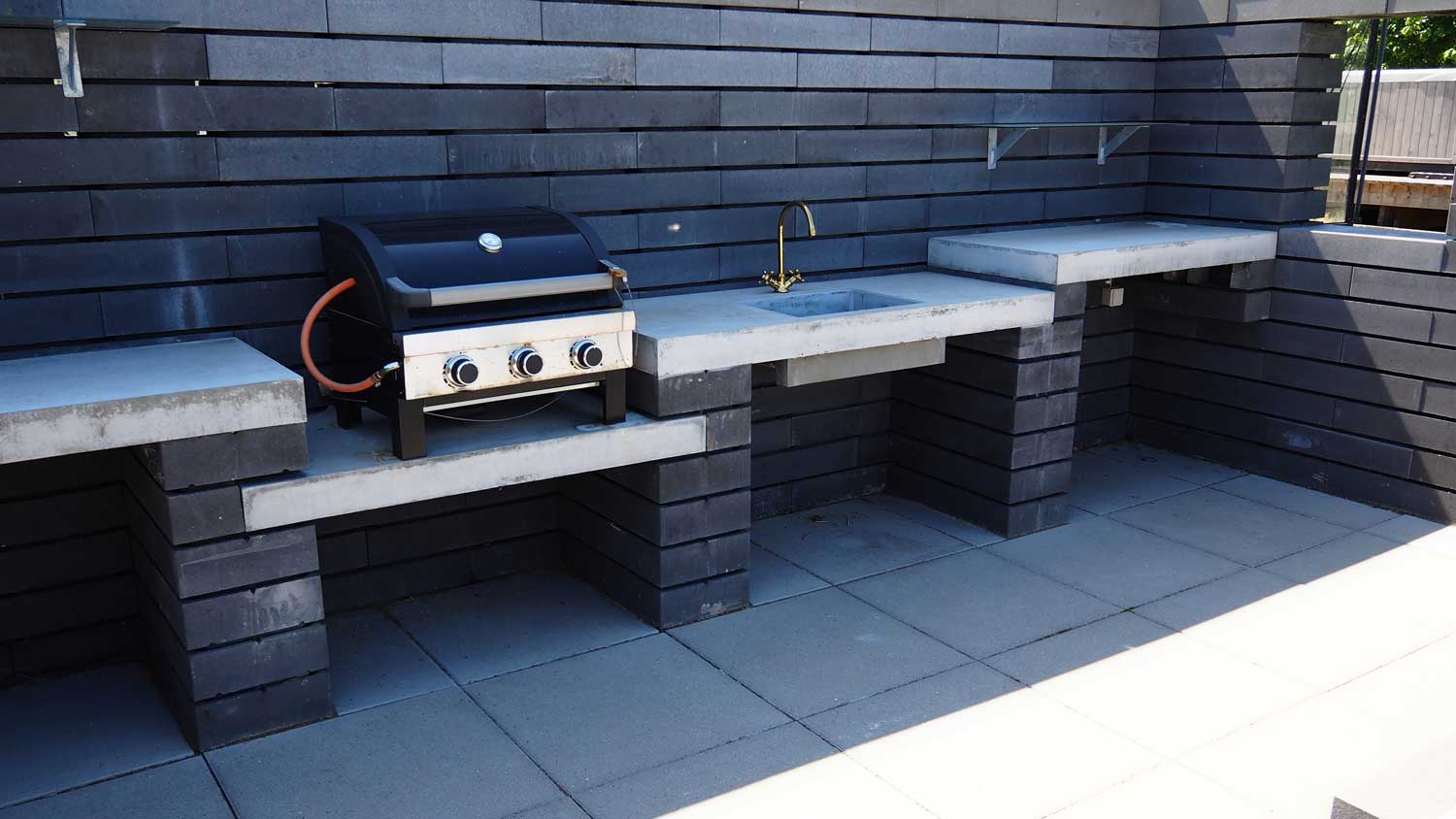
The difference between a built-in and regular grill is installation and design. A built-in grill is integrated into an outdoor kitchen or structure, often within a countertop or island. It is a permanent fixture. A regular grill is standalone, portable, or cart-mounted, allowing mobility and versatility in placement. Built-in grills are typically larger with more cooking space, while regular grills come in various sizes. Built-in grills are favored for creating a custom outdoor cooking area, while regular grills provide convenience and flexibility.

No. Placing a built-in grill against the house is discouraged due to safety concerns. Building codes and regulations often require a minimum distance (typically 10 feet or more) between a gas grill and any combustible structure, including a house. Placing a grill too close poses a fire hazard and risks damage to the siding or structure, potentially leading to carbon monoxide buildup. It's essential to consult local building codes, follow manufacturer guidelines, and prioritize safety by positioning the grill at a safe distance, ideally in a well-ventilated outdoor kitchen or designated grill area.

Safety steps include proper vent installation, connector tightness, and leak testing. A safe environment must be maintained throughout.

Safety precautions include proper ventilation, regular inspections for leaks, and ensuring tanks and fittings are in good condition to prevent accidental release or fire hazards.

Appliances typically connected to a gas line include gas stoves, water heaters, furnaces, and gas fireplaces. Essentially, any appliance in your home that uses gas needs to be connected to a gas line, which connects your home with the main gas line owned and operated by your gas company.

The Fayette, AL homeowners’ guide to grill assembly services

From average costs to expert advice, get all the answers you need to get your job done.