"Michael showed up right on time, removed the old light fixture, installed the new one. He cleaned up the small mess that was made with the project and took the old fixture out with him when he left to dispose of. The pricing was fair and I have absolutely no complaints with the technician that came to do the project or Supreme Electric & will use them again on future projects."
"He came right over on a Sunday and helped drain the crawl space then set up schedule to dry out, replace wet insulation and fix broken pipes. Ordered and later installed new water heater. It was a process but Matt and his associates were super helpful, professional and nice."
The key difference between a circuit breaker versus a surge protector is that circuit breakers shield your entire electrical system from overcurrents and faults, while surge protectors defend your electronic devices against voltage surges and spikes. A circuit breaker interrupts the flow of electricity in a circuit when it detects an overload or short circuit, protecting the wiring from damage and preventing fires. In contrast, a surge protector shields electronic devices from voltage spikes, such as those caused by lightning strikes or power surges, preventing damage to the device’s inner mechanics.
Outdoor outlets should be at least 15-amp, but preferably 20-amp. The exact rating will depend on the electrical load of the devices that will be plugged into the outlet and the capacity of the circuit. It's important not to overload the circuit, which can cause safety hazards such as tripped breakers or electrical fires. In general, a circuit rated for at least 20 amps is recommended for outdoor outlets, while each outlet should be rated for at least 15 amps.
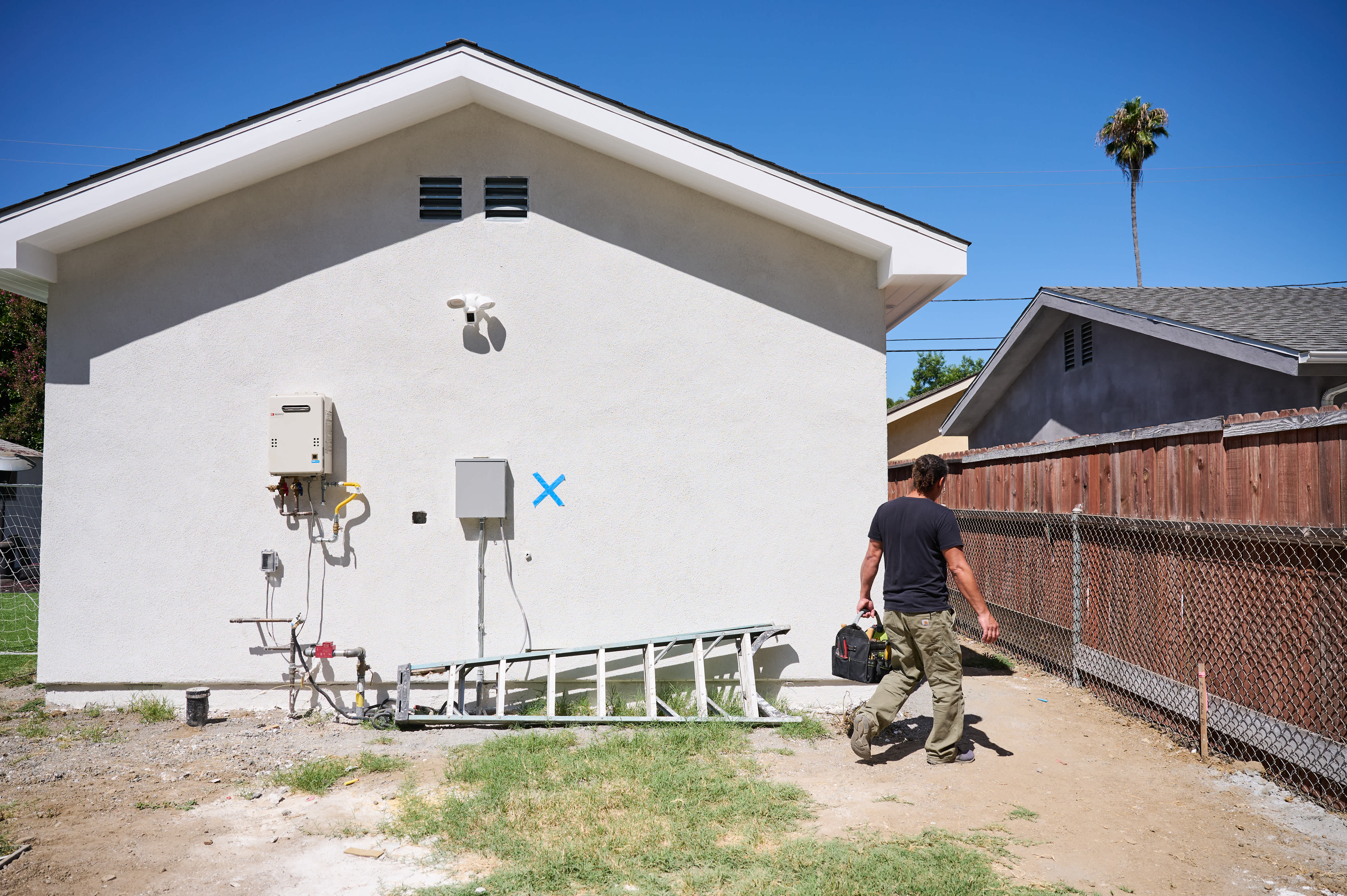
Your breaker box houses the breakers that control the circuits in your home, shutting them off if they overload or experience similar problems. Your meter box houses your electrical meter that monitors the electricity flowing into your house and measures its use for your utility company.
In some cases, both components are in the same box, but they don’t have to be together. Many homes have them split, with the breaker box inside for easier access and the electric meter outside.
If there isn’t a C-wire on your thermostat, you can repurpose the G-wire. The G-wire controls the fan independently of the other controls on your thermostat, so the fan-only function won’t work if you decide to go this route.
No, there aren’t additional code requirements for kitchen lights. Kitchen lights and other electrical circuits in the kitchen have different code requirements. Outlets need to be particularly robust because of their frequency of use and proximity to liquids. If you need help determining where to install outlets in your kitchen, consult a local electrician who can ensure that placement is functional and up to code.
The Hooper Bay, AK homeowners’ guide to electrical services
From average costs to expert advice, get all the answers you need to get your job done.
Before you hire a licensed electrical contractor, you should learn the cost to run electric from the road to your house so you can budget for the project.
Whether you’re shopping for a new home or simply doing a safety check on your current place, learn what factors influence an electrical inspection cost.
Is it time to upgrade your electrical panel? For the sake of safety, find out sooner than later by exploring our top signs that it’s time for an upgrade.