

•
Discover the average cost of home theater wiring, including labor, materials, and key factors that impact your total price. Learn how to budget and save on your project.
Knowing how to choose the right one will have you swapping out fixtures like a pro

Wire nut sizes are color-coded, with gray for 22-gauge wires, orange and blue for 14-gauge, yellow for 12-gauge, and red for your larger 10-gauge wiring.
A 12-gauge wire is standard in most household light fixtures, so you'll need an orange or yellow wire nut to connect two wires securely.
Your wire nut size choice depends on wire gauge, the number of wires you're connecting, voltage requirements, and whether the connection is indoors or outdoors.
Hiring a local electrical professional ensures secure connections and proper wire nut selection, keeping your electrical work safe and up to code.
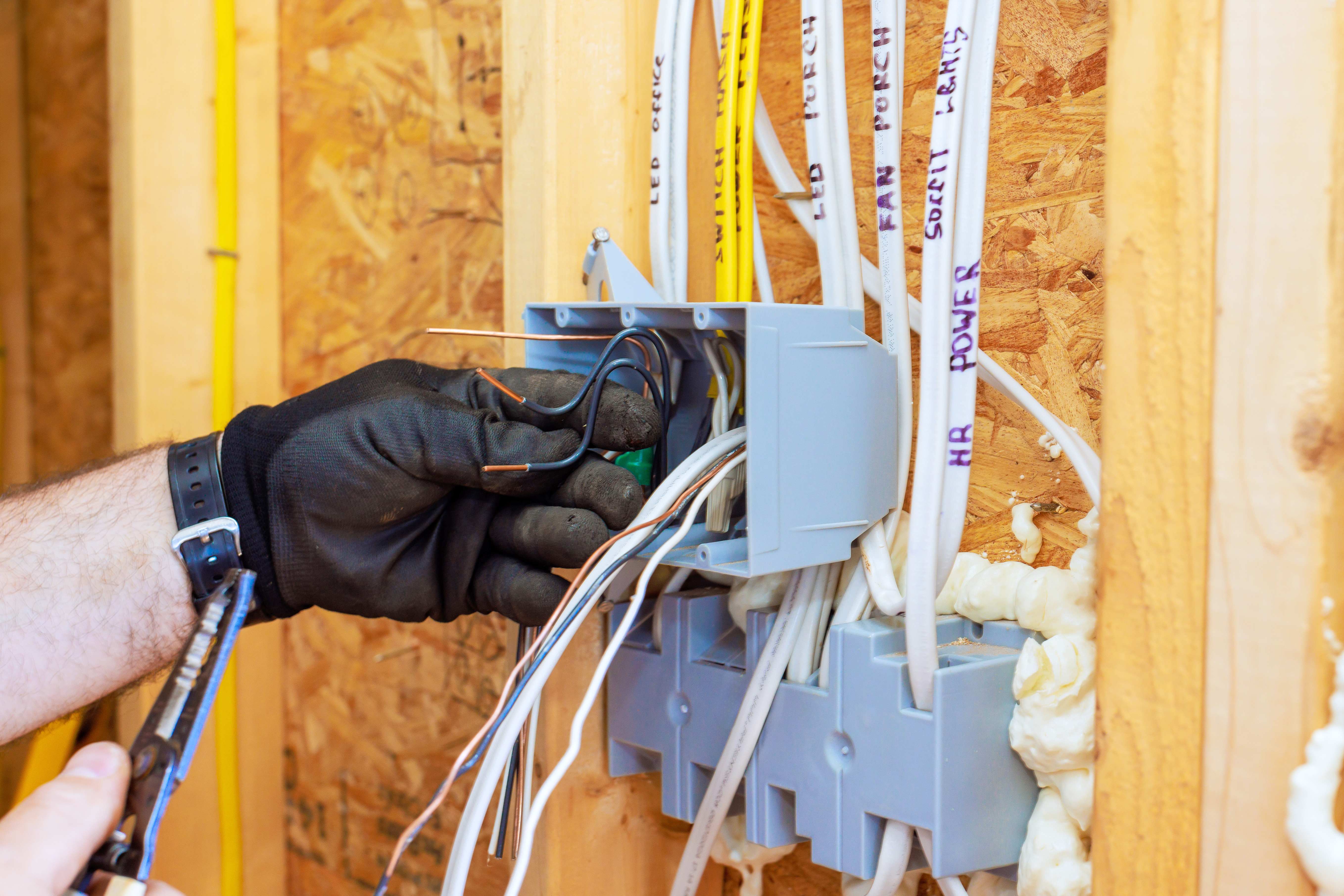
Wire nuts are colorful caps that screw onto the ends of electrical wires. They allow you to connect two or more electrical wires when installing a light fixture or other electrical feature. Wire nuts come in different color-coded sizes to accommodate different gauges of wire. Using a wire nut that’s too big or too small can cause failure, shorts, or disconnection, so it’s important to choose the size carefully. Here’s what you should know about wire nut sizes and how to recognize them.
Here are the outlet types you find in most U.S. homes:
15-amp, 120-volt (2-prong and 3-prong): The standard household outlet for lamps, TVs, and chargers.
20-amp, 125-volt: A higher-power outlet for kitchens, laundry rooms, and workshops.
240-volt (20-amp to 50-amp): A large-appliance outlet for dryers, ranges, and EV chargers.
GFCI: A shock-protection outlet for kitchens, baths, and other wet areas.
AFCI: A fire-protection outlet for bedrooms and living spaces.
Tamper-resistant: A child-safe outlet with internal shutters, now standard in new homes.
Weather-resistant: A corrosion-resistant outlet built for outdoor use.
Convenience types: Switched, combination, USB, smart, and rotating outlets.

Wire nuts come in colors like gray, blue, orange, yellow, and red. The different colors correspond to the size or gauge of wire, or AWG, that each can accommodate. Wire gauges increase as the number assigned to it decreases, making 22-gauge wire some of the thinnest and 10-gauge some of the thickest you will find in a typical house. Small gray wire nuts are used to connect two 22-gauge wires, while a larger red wire nut can connect up to four 12-gauge wires.
While most manufacturers use the same color coding, not all do, so you should always check the label to make sure you have the right size wire nut for your project. Reading the package is the simplest way to identify the size of a wire nut.
| Wire Nut Color | Wire Nut Size |
|---|---|
| Red | 18–6 AWG, 600V |
| Yellow | 18–12 AWG, 600V |
| Orange | 22–14 AWG, 600v |
| Blue | 22–14 AWG, 300v |
| Gray | 22–16 AWG, 300v |
There are many types of wire nuts, each with a different use case to help make wiring your home more effective.
This common type of wire nut in your home is color-coded to help you determine the sizing you’ll need. It comes in a variety of shapes, such as twist-on, square, or winged. While they provide different grip options, all these types of wire nuts serve the same purpose. Push-in wire nuts are also similar, convenient wire nuts, as there’s no twisting involved, but they aren’t as versatile as other standard wire nuts and aren’t reusable.
A few wire nut types offer certain protections that can help you secure your connection more effectively.
Deep skirt wire nuts have an extended skirt for better coverage and added insulation—especially for exposed wires. Water-proof wire nuts made with a gel or silicone sealant are ideal for outdoors or underground.
If you need a little more grip on your wire nut, then a flexible spring connector may be your best bet. And, for those with an old home with aluminum wires, Aluminum-to-Copper (Al/Cu) wire nuts are specifically made with anti-oxidant compound to protect against corrosion or overheating.
High-temperature wire nuts are made from ceramic or thermoplastic materials, which prevent melting or degrading at high temperatures. They are best used for light fixtures or heaters. For even more protection, ceramic wire nuts can handle even the hottest of heats, but they are much more delicate, so handle with care.

Typical household electrical fixtures often use the same size wiring and, therefore, the same color wire nut. For instance, a light fixture in your home almost always has 12- or 14-gauge wiring. So, to connect two of those wires, you will need an orange wire nut. You should always double-check that your wire gauge estimation is correct to ensure a secure connection.
Wire nuts are fairly simple, as they use friction to grip the wires in place to establish their connection. Here are the steps:
Strip the wires you’re connecting, exposing their bare metal conductors.
Hold the bare conductors together so their ends meet.
Place the wire nut over the bare conductors and twist clockwise.
Once twisted together, give each wire a little tug to ensure it’s secured.
Twisting allows the internal threads to grip onto the cables, pulling them together. Once they’re together, give each wire a little tug to make sure it’s secured in place. During this process, ensure no bare wire is exposed beneath the nut and that the connection is tight.
Pro Tip: Before adding the wire nut, twist the wires together for added security.
Wire nuts hold your electrical connections together and cover any exposed metal. This can encompass a wide variety of use cases, including:
Connecting wires inside outlets, switches, and light fixtures
As a temporary connection during an electrical test or temporary connection
Splicing wires together in a junction box
Wiring low-voltage circuits like doorbells and thermostats
Connecting wires from a new electrical appliance to an existing electrical system
If you’re connecting high-voltage appliances, have a specialized circuit, or need a more permanent solution to a wiring problem, consult an electrician rather than rely on wire nuts.
I recently had Mosby Electric perform an electrical installation on 8-14-2026, and I couldn’t be more satisfied with the service. From the moment I called, their team demonstrated fast arrival and professionalism. The electricians were highly knowledgeable, completing the installation...
 Mosby Electric
Great company! Price was competitive, technician showed up on time and completed the job (exterior electric Radon fan replacement) quickly. Would hire them again.
 MaGen Property Inspections and Radon Mitigation
I conferred with 2 other contractors before Armstrong Electric. Nick and his crew showed me that the project was not as convoluted as the other contractors made it appear to be. They completed the entire project on time. They were professional, friendly and cleaned up after at completion. I...
 ARMSTRONG ELECTRIC, LLC
The techs on my project, Shawn and Cliff, were great. They were prompt, courteous, and efficient. I am very happy with the results and would definitely contact Mr. Electric for any future electrical projects.
 Mr. Electric of Columbus
Victor was wonderful. He was on time, professional, and explained everything he was doing. He was thorough and figured out that the problem was electrical instead of with my HVAC system. Very knowledgeable. I will be using this company in the future for any HVAC needs. Thanks!
 Hubbs Heating & Air LLC
They were excellent. They did a great job. I was totally satisfied. They put tremendous effort in making sure the work was completed. They were great. They provided immediate response to any inquires I made. I would hire them again. I would recommend them to anyone who needs electrical work....
 JCB & Associates, LLC DBA Property-Tech Industries
Initially, the repairman could not find the problem. Apparently, there was some electrical shortage, but he could not find the definite problem. He left, but called back later to say he had a new idea. He returned and replaced the light switches on the doors. The refrigerator seemed to return...
 Appliance Pro LLC
The initial quoted price from a walk-through seemed high, but we discussed that the quote represented worst case scenario (re-wiring to two floors) and we were excited about the opportunity to have the work done in a timely manner with closing for fire safety reasons, etc. When the job was...
I have to tell you I am all about customer service - I will go out of my way and even pay more for it if you give me great customer service. <br> <br>In a world where this is hard to find, these guys were awesome! I can not sing their praises enough. They were prompt, personable, funny, got...
 Waibel Electric
When I challenged the markup on the generator, Bruder Electric withdrew its bid. They only want naïve customers.
From average costs to expert advice, get all the answers you need to get your job done.
Discover the average cost of home theater wiring, including labor, materials, and key factors that impact your total price. Learn how to budget and save on your project.

The cost of a barbed wire fence depends mainly on how large your property is. If you have a longer fence, you can expect to pay a few thousand dollars.
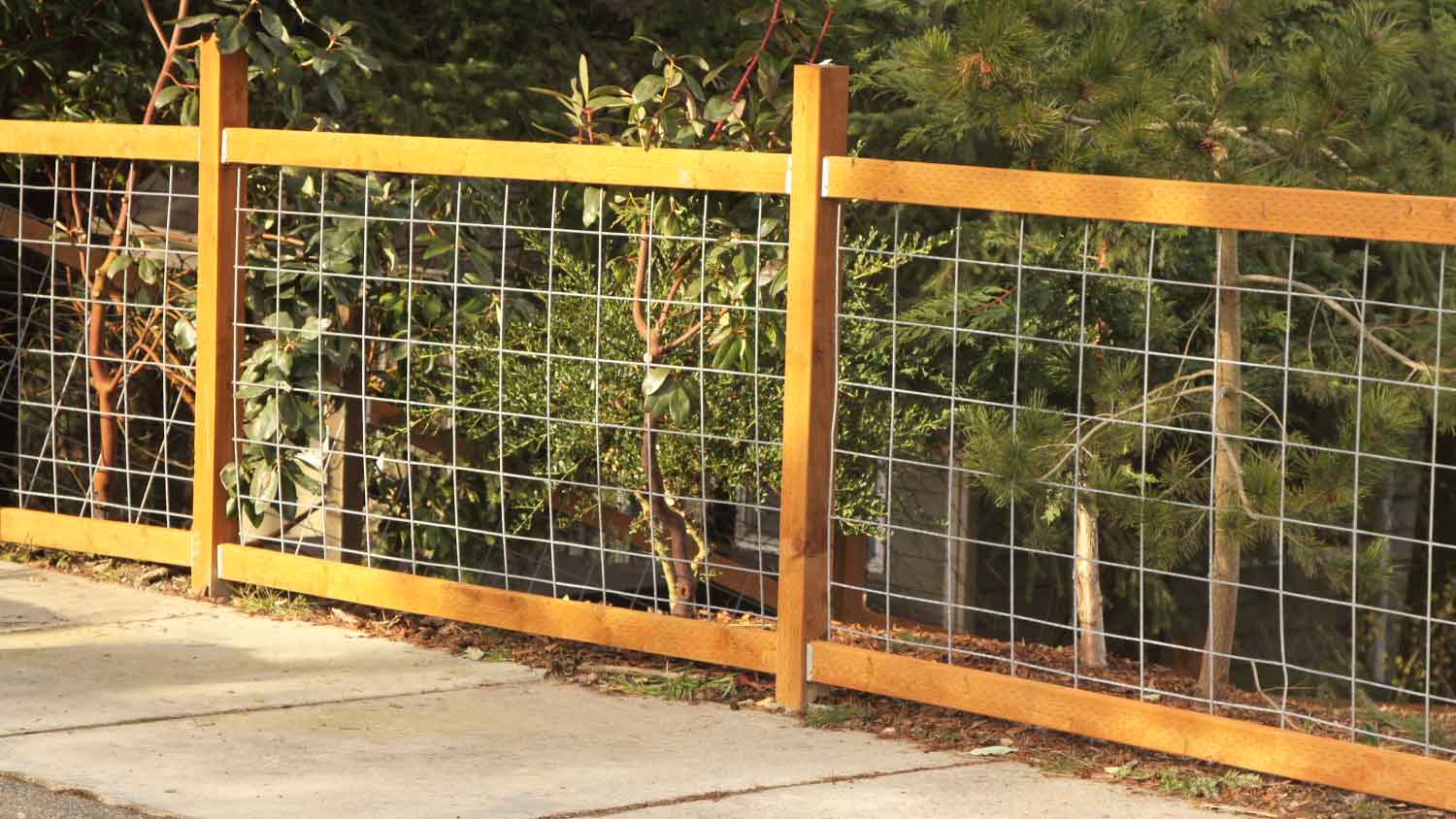
This guide breaks down hog wire fence cost factors to help you budget for a rustic, trendy fence style at an affordable price.
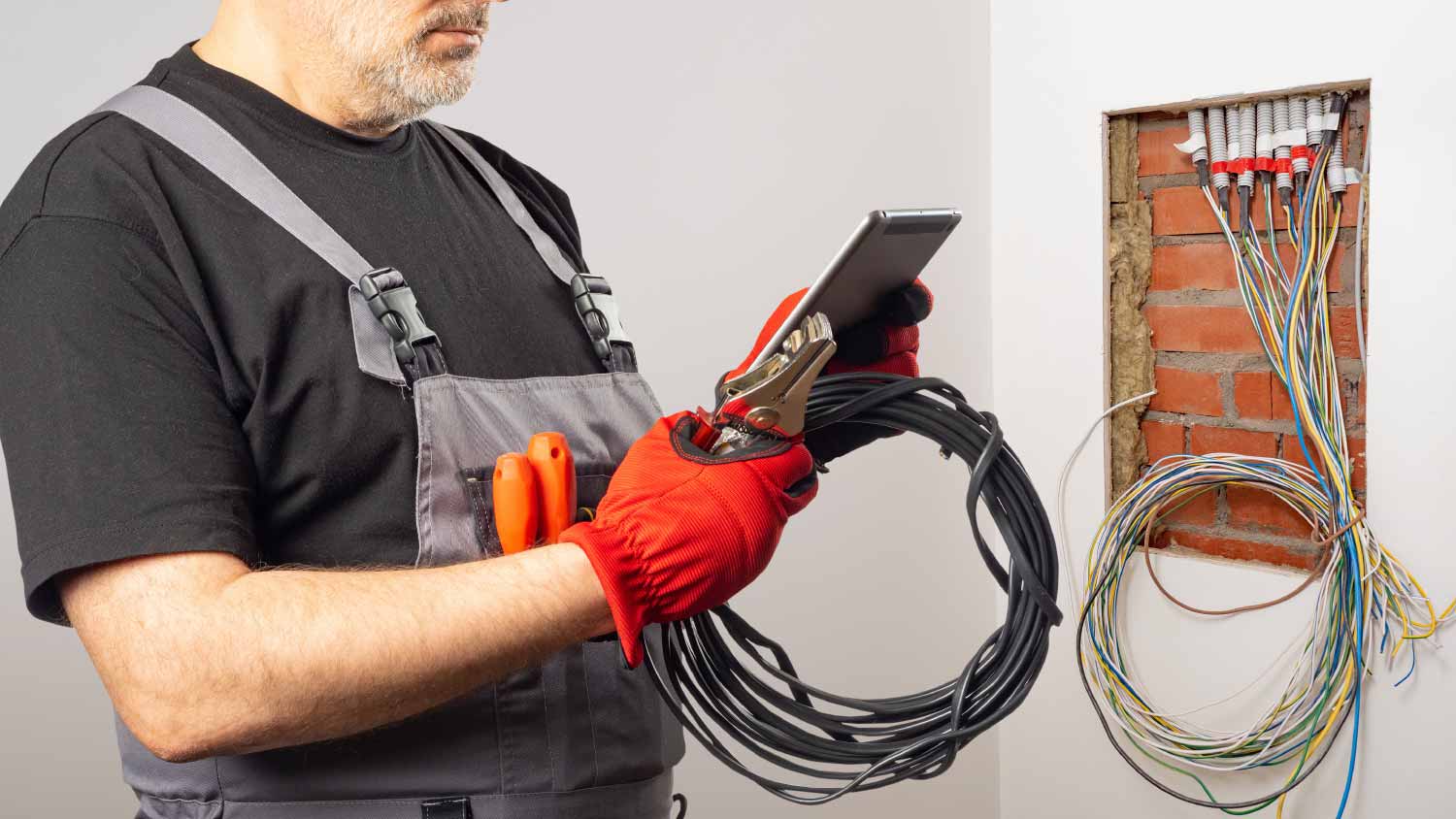
Learn about the correct 125 amp wire size necessary for generator and sub panel service in your home to meet building code requirements.
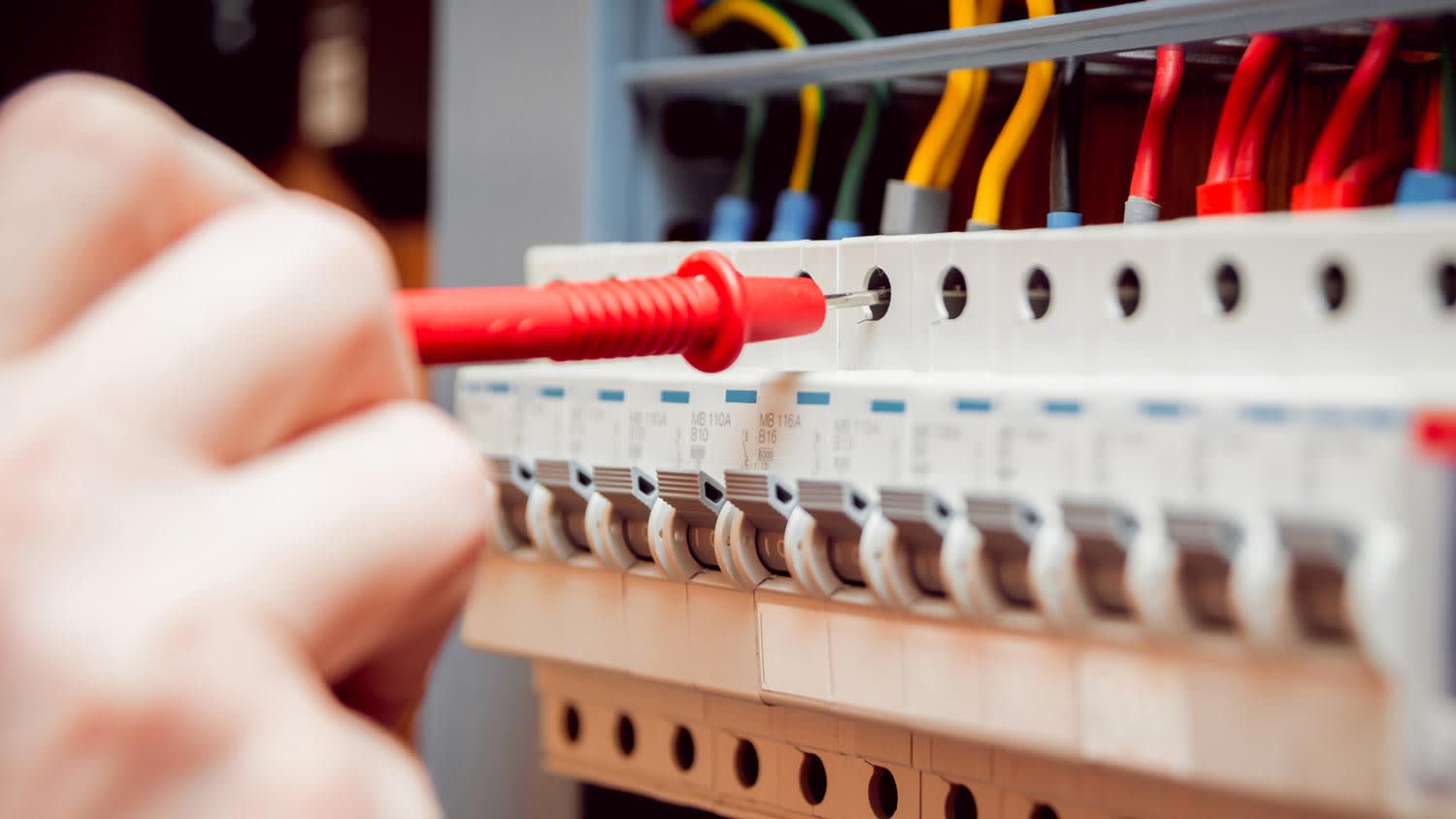
When installing a new 200-amp service panel, the right wire size is critical to ensuring sufficient amperage.
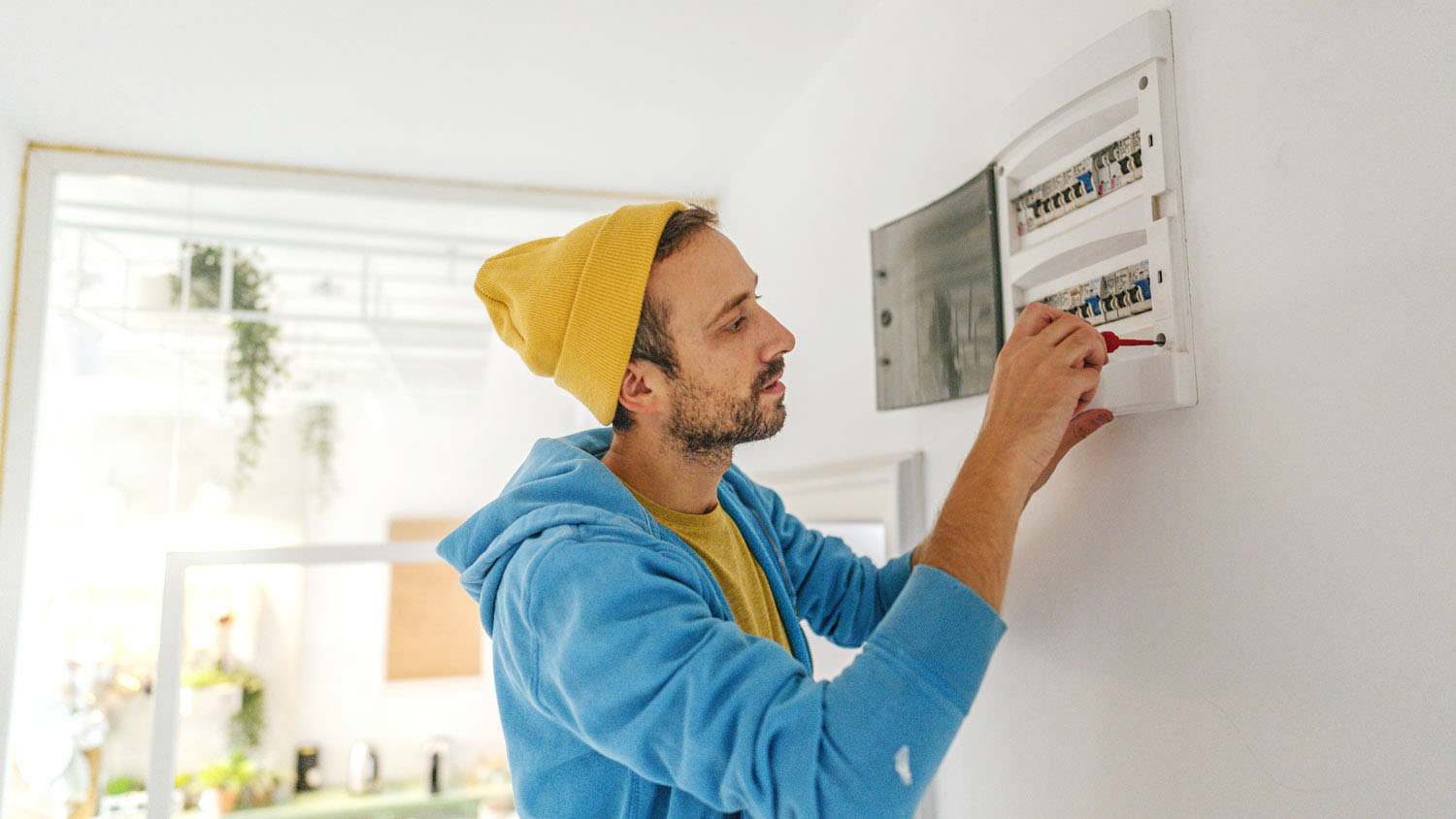
Selecting the right wire size helps your electrical system run safely and efficiently. Find out the correct wire size for 100-amp service panels.