
•
Discover the cost to winterize a sprinkler system, including average prices, key cost factors, and tips to save. Learn what impacts your estimate and how to budget.
It can be as simple as opening some valves—carefully, of course

Winterizing a sprinkler system without a blowout protects your pipes from freezing and expanding, which can destroy the system during winter months.
Your sprinkler winterization costs almost nothing when you manually drain the system yourself, requiring only insulation tape for exposed components and a bit of time.
You drain your sprinkler system by turning off the water supply, shutting down the timer, and opening valves to release all remaining water from the pipes.
Hiring a local sprinkler blowout professional provides reliable help with compressed air systems and ensures your sprinkler lines are completely clear before freezing temperatures arrive.
Your sprinkler system works hard all summer long to ensure your landscaping remains lush and green. But come wintertime, if you live in an area prone to freezing, the sprinkler system itself may be in need of some love—in the form of winterizing. Here’s how to winterize a sprinkler system without the need for a blowout.
Winterizing your sprinkler system refers to the process of ensuring there’s no water left over in the pipes to freeze and expand—which would destroy the pipes. Additionally, insulating the sprinkler system’s exposed components will help further protect them from the harsh winter weather.
The winterizing process can be a bit time-consuming and tedious, but in areas where winter brings a hard freeze, these steps are essential for ensuring your sprinkler system’s survival through the coldest months of the year. After all, a little bit of prep work is way better than having to pay the cost of replacing your sprinkler system come spring.
Below, we’ll walk you through the process of manually draining your sprinkler system—but another option is to use the blowout method. A sprinkler blowout involves hooking up the sprinkler system to a source of compressed air to force every remaining drop of water out.
The blowout method is efficient, but it’s also risky: Some sprinkler systems are simply not designed to handle so much pressure, and even if yours is, you could easily damage your system if you don’t know exactly what you’re doing.
If you want to have your sprinkler system blown out for the winter, we highly recommend consulting a professional to help. But if you’re ready to tackle the manual process, keep reading.
Here’s how to get your sprinkler system winter-ready without relying on the blowout method.

It might seem obvious, but you’ll thank us when you don’t get soaked! The first step in winterizing your sprinkler system is to shut off the water at its source. There is usually a main valve that you’ll find located close to your water meter, and there may also be one or two backflow prevention valves, which will also need to be turned to the off position.
Next, you’ll need to turn off your sprinkler’s automatic timer, if it has one. Some sprinklers come equipped with a “rain mode” option, which will allow you to save your settings so you can easily power the system back up come spring and get right back to your regularly scheduled programming.
Note: Rain mode is not the same as the sprinkler being turned entirely off, and it may use a minimal amount of energy over the course of the winter. If your sprinkler doesn’t have rain mode or a timer, simply switch it off completely.

Now comes—well, maybe not the fun part, but the important part: actually draining your sprinkler. There are two ways to go about this (outside, of course, of the blowout method): manual draining and automatic draining.
To manually drain your sprinkler system, you’ll use the force of gravity to help you rid the pipes of excess water by opening the valves at the lowest part of the pipes. Slowly open each valve one at a time, and wear goggles and gardening gloves to protect yourself from any pressurized water that may still be in the system. Once the system is entirely drained, you can close the valves back up.
If your sprinkler system has an automatic drain function, this step is as simple as using it—which usually involves turning the sprinkler on while the water supply is shut off. However, there will still be some residual water left in the valves, which is why you’ll need to manually loosen each valve’s solenoids. (These are plastic caps with two wires running out of them.) Loosening the solenoids lets water flow out of the system and air flow in. Be sure to tighten them back down once the system is fully finished draining.
Once your sprinkler is completely drained of water, the final step in winterization is to insulate whatever parts of your sprinkler system will be exposed to the winter weather. This usually includes the water supply shut-off valve, the backflow prevention valves, and exposed pipes. You can use pipe wrap insulation tape to get the job done; just be sure not to block any air vents or drain outlets on the backflow preventers.
The above steps are a generalized guide to winterizing sprinkler systems, but your individual system may have specific quirks and requirements. You should always consult your owner’s manual for the full details on exactly how to take care of your equipment.

Your lawn may lie in wait beneath a blanket of snow all winter long, but when the warm weather comes back, there are some simple steps to help turn that icy white field into a layer of plush, green grass.
Know when to water: Having a sprinkler system is a great step toward ensuring even watering at regular intervals, but still, it’s important to understand when is the right time to water your grass. For instance, contrary to popular belief, it’s actually not a good idea to engage your sprinklers (or even just a garden hose) if it’s 95 degrees or hotter outside.
Aerate your lawn: It may sound silly, but poking holes in your yard can actually help your grass grow longer, stronger, and lusher. Just be sure you do so during the grass’s peak growing season, rather than during dormancy. (Thinking of DIYing it? Here’s how to aerate your lawn—and how much it costs for professional aeration.)
Keep it trimmed: Along with looking nice and manicured, a trimmed lawn is less prone to pests, more available to accept oxygen and nutrients, and much easier to maintain in the long run. (Of course, it’s also important not to cut the grass too short; about 2 to 3 inches is usually the right length.)
Winterizing your sprinkler system without a blowout doesn’t have to be difficult, and it costs almost nothing (with the exception of whatever you spend on the insulation tape). It can, though, be a bit time-consuming and tedious. So don’t forget: You can always contact your local winterization pro for pre-winter sprinkler system maintenance and winterization.
Cody did a great job!
 Itzelpainting
Wonderful. I am going to have them remove and replace my driveway in the spring.
 All Star Paving and Sealing
We had a 20+ year old landscape lighting system that needed replacement. Midwest Lightscapes worked with us to design a much improved lighting system, lighting the exterior of the house and the back yard. Installation of the 45 light system took one and one-half days, and went very smoothly....
 Midwest Lightscapes
Did an amazing job transforming my yard. Also installed sod in places, would recommend to everyone.
 Cardinal Landscaping & Construction LLC
Always been satisfied with the service work and how they have taken care of my pool.
Bill Gerhardt sold the company to his employees at the end of 2019, apparently without a workable succession plan and without notifying prospective customers of this fact. Most aspects of the maintenance contract have not been fulfilled: no installation of anual plantings per contract, no...
They show up and they did take us on as a client which seems to be a problem with other lawn care providers. We have multiple properties and this one was located close to downtown and no one really wants to mess with it.
I was very happy with the service provided by AK Irrigation. They responded quickly to my email, and the woman I spoke with was polite and professional. I was able to get an appointment that same week. <br /> The technician (Tyler) arrived on time. He was very knowledgeable, and worked...
 AK Irrigation
The worker came out when he was supposed to come. He informed me he would honor the Angie's List deal, but would not do any more work for me since my son in law owns lawn care company as well, even though they do not do the same type of work. He said he did not feel comfortable giving me...
 Bello Giardino LLC
E & L Lawn Care was super. They were very responsive before and after service. They were efficient and were able to complete the job within 1 day. I have had concern about one section of sod - the owner was pro-active and did a visit to evaluate. I have no doubt they will stand behind...
 E&L lawn care
From average costs to expert advice, get all the answers you need to get your job done.
Discover the cost to winterize a sprinkler system, including average prices, key cost factors, and tips to save. Learn what impacts your estimate and how to budget.

Winterizing a house depends on its type, size, location, and more. Our guide breaks down how much it costs to winterize a home.
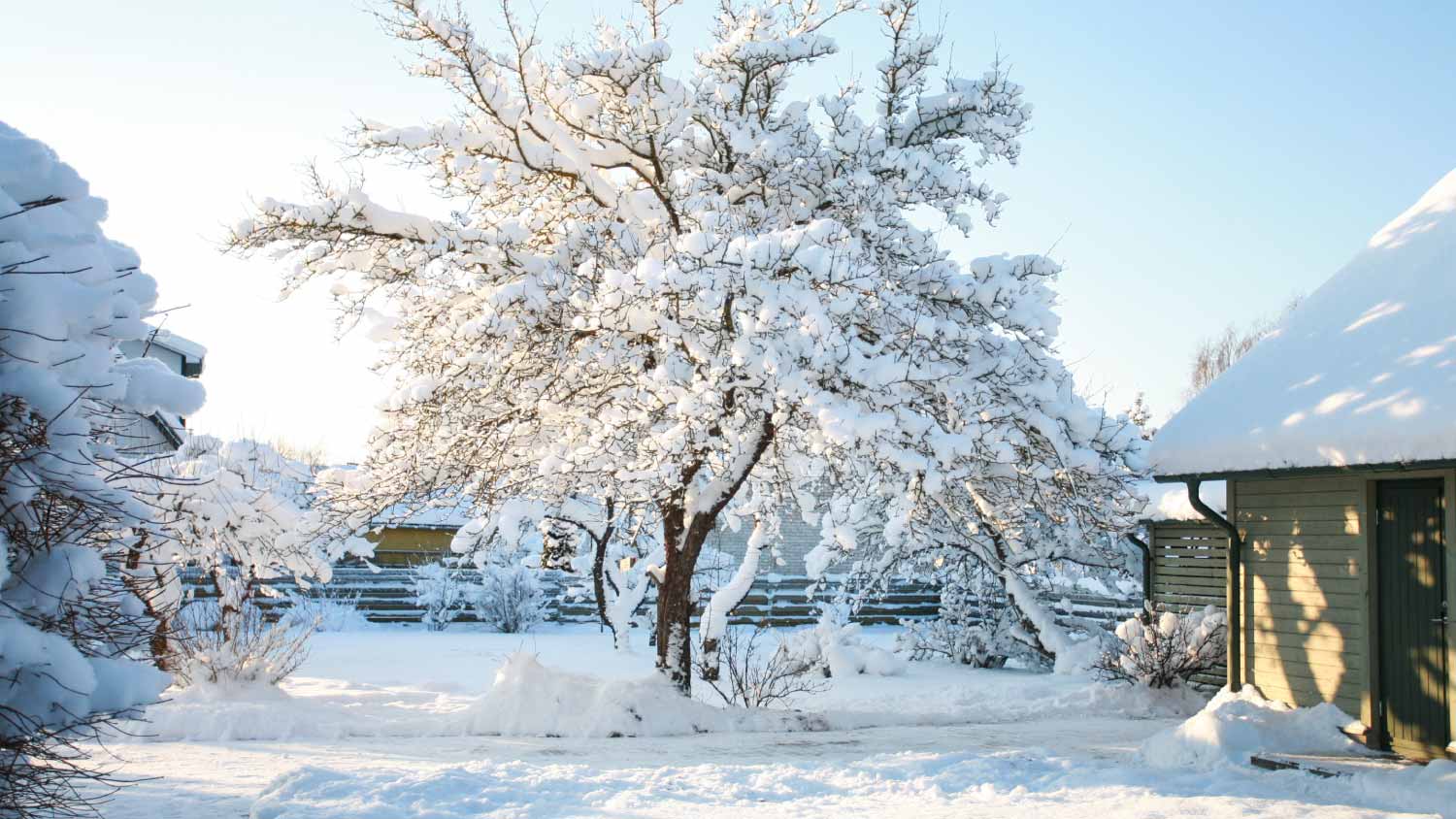
When ice and snow sneak up on you in the fall, do you know who to call to winterize your sprinkler system? Here's what sprinkler winterization pros offer.
Are freezing temperatures approaching? Learn about sprinkler winterization costs, warning signs of freeze damage, and how to hire the right local pro.
Find qualified sprinkler winterization pros with this guide. Learn what to ask, how to verify credentials, and protect your irrigation system from freezing.
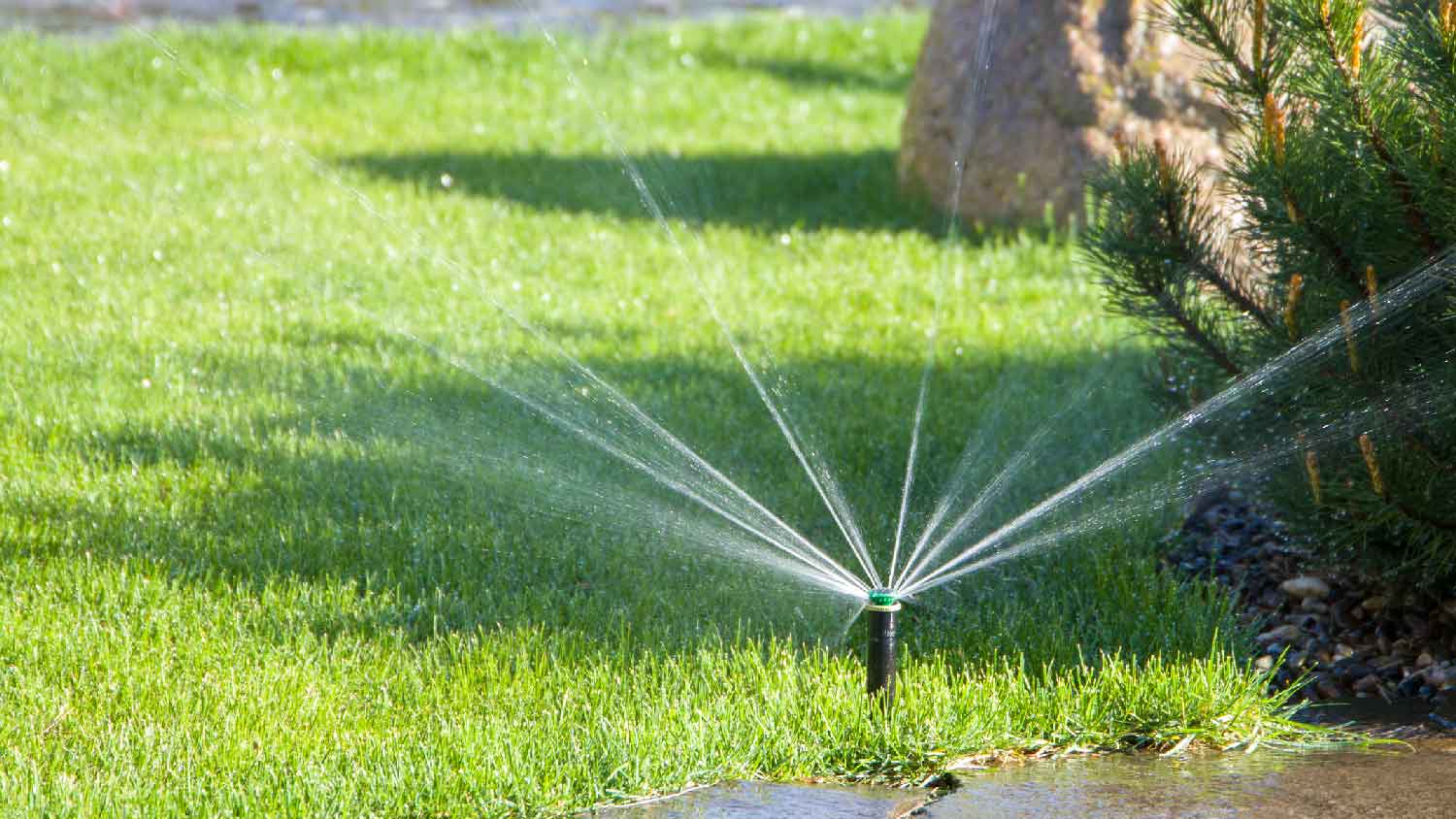
Winterizing your lawn sprinkler system is a must. You can DIY it, but it’s better to know who to call to blow out sprinklers correctly.