

•
Discover the cost to fertilize your lawn, including average prices, key factors, and tips to help homeowners budget for a lush, healthy yard.
Simply put: Fertilizer helps grass blades grow long and strong

Fertilizer improves grass growth and health by adding nitrogen for vibrant green color, phosphorus for strong roots, and potassium to help your lawn resist disease.
Synthetic fertilizer costs less and works faster than organic options, while organic fertilizer uses natural materials and supports helpful microorganisms in your soil over time.
A soil test shows you exactly what nutrients your lawn needs, helping you choose the right fertilizer type and NPK ratio for your specific grass and climate.
Hiring a local lawn fertilization and treatment professional provides reliable guidance on soil testing, fertilizer selection, and application timing to keep your grass healthy and thriving year-round.
Most people know that fertilizer is a helpful tool for growing grass. But what exactly does fertilizer do for your grass?
From understanding NPK ratios to identifying the different types of fertilizer, we’ll break down the nuances of lawn fertilizer so you can understand how it works and which type is best for your lawn. You don’t need a chemistry degree to understand the lush landscape of fertilizers—only an eagerness to learn, a pair of gardening gloves, and advice from a professional lawn fertilization service to get started.
When working with lawn fertilizer and other chemicals, take measures to prevent the products from contacting your skin and eyes. Be sure to wear protective gear like gloves and a dust mask to stay safe.


Fertilizer is a product made of nutrients to help grow and sustain healthy grass. It comprises three main elements: nitrogen, phosphorus, and potassium. Nitrogen helps aid photosynthesis and is partly responsible for the vibrant green color in grass blades. Phosphorus helps with root development and the formation of strong, sturdy grass that can withstand extreme weather conditions. Potassium increases your yard’s resilience to diseases and assists with water retention.
Most fertilizers have “NPK” ratios that let homeowners and landscapers know what percent of nitrogen, phosphorus, and potassium are in each solution. For example, a bag of fertilizer with 10-10-10 on the front indicates that it has 10% of the three elements in its makeup. The correct ratio for your lawn depends on your soil needs, which can be determined by conducting a soil test. So, if a soil test reveals that your lawn is low on nitrogen, you may need to find a bag of fertilizer with more nitrogen.

There are hardly any downsides to using fertilizer, as long as you don’t overdo it and risk overfertilization. Luckily, most fertilizers come with detailed instructions on how to apply them and how often to use them. When you use fertilizer on your grass, it often:
Helps control weeds
Improves color
Enhances growth
Develops strong roots
Increases resilience
Improves overall health
If you decide to utilize fertilizer, it’s important to follow application instructions and safety precautions. When working with lawn fertilizer and other chemicals, prevent the products from contacting your skin and eyes. Be sure to wear protective gear like gloves and a dust mask to stay safe.

Just like there are several types of grass, different types of fertilizer that work best depending on your lawn’s specific needs. The best fertilizer for your particular lawn depends on several factors, including the type of grass, the climate where you live, what your soil needs, and what results you’re looking for. A soil test will determine what nutrients your soil lacks and what specific solution your lawn can benefit from best. Once you’ve completed a soil test, you can consult a local lawn fertilization expert about how to pick a fertilizer, when to apply it, and how often to treat the lawn.
Some liquid fertilizers come ready to apply in spray bottles, while others must be diluted with water and hooked up to a garden hose. This type of application is less tedious than granular fertilizer, but that can also mean that the coverage is more patchy and that some areas receive more fertilizer than others. However, this fertilizer works well for delivering quicker results.
Granular fertilizer is made up of tiny granules that can be spread over your lawn with a spreading tool. It’s one of the more common types of lawn fertilizer. A majority of granular fertilizers are slow-release, so they add nutrients to your soil over time instead of instantly. Although this type of fertilizer can take longer to show improvements, it provides more even coverage than liquid and has longer-lasting results.
Synthetic fertilizer is made of manufactured nutrients that produce faster improvements and come at a lower cost than other types of fertilizer, such as organic. However, pet owners may want to steer clear of synthetic fertilizer because it’s often toxic to pets and could put them in danger if ingested.
This type of fertilizer comes from natural materials like manure, seaweed, compost, and other nutrients. It’s more environmentally friendly than synthetic fertilizer but comes at a higher cost. If you want long-lasting results and safe ingredients that boost the presence of microorganisms such as worms and helpful bacteria, organic fertilizer may be the best choice for you.
Similar to how you plan the perfect season to plant a rose bush, choosing the right time of year to fertilize your grass for best results is important. It also depends on the type of grass and what region of the country you live in since some areas experience more severe seasons than others.
In the Southern region of the U.S., warm-season grasses include Bermuda, centipede, St. Augustine, Kikuyu, and Zoysia. These varieties have a thick lawn cover that thrives in—you guessed it—warmer temperatures and are tough enough to withstand the heat. Since warm-season grasses have a peak growing period of late spring and summer, it’s best to apply fertilizer in the early spring or late fall when temperatures even out.
Northern parts of the U.S. have more cool-season grasses, such as Kentucky bluegrass, ryegrass, and tall and fine fescues. These grass varieties prefer lower temperatures and typically experience the most growth during the early spring and early fall. You’ll want to apply fertilizer to cool-season grass more heavily in the fall and lighter in the spring to ensure the most success.
Although your yard can’t tell you in words that it needs added nutrients, it can communicate physically that it needs fertilizer. One or more of the following signs may indicate that it’s time to incorporate fertilizer in your lawn maintenance schedule:
Thinning grass
Loss of color
Rapid weed growth
Slow growth
Too much moss
If testing your soil, finding the right fertilizer, and applying it involves more time than you have to dedicate to your grass, you can reach out to a local lawn fertilization service to do it for you. They can take a closer look at your lawn and develop a treatment plan to get your grass in tip-top shape in no time.
They did an excellent job! Super fast, helpful, and made the process so easy. Great job!
 1-800-GOT-JUNK?
1 tree was cut down and 5 others including a large willow tree were trimmed. The Grant Tree Service men were professional and cleaned up afterwards. The cost of the 6 trees were affordable. I am very happy with the results. I would hire them again.
 Grants Tree Service
Thank you very much for his professionalism and getting the job done the right way the first time. Great job!
 Alex & Alex
Great job! Friendly, timely and thorough.
 Eco Plumbers, Electricians, and HVAC Technicians
It was a difficult job and Robert and his son worked diligently to get it done.
Window Depot did an amazing job on my deck. I wasnt sure what I wanted to do, but their composite decking was affordable and will last a long time. I am excited to have family over, and I am no longer embarrassed by my backyard. Jeff and the ground crew were polite, respectful, and caring for...
 Window Depot USA of Central Ohio
He did the work in a timely manner and I would use him again!!
 Quantum Waterworks Waterline & Drain Cleaning Services, LLC
Cameron and his crew did an excellent job. On time, professional and courteous. My driveway looks awesome!!
 All Star Paving and Sealing
The guys did an outstanding job and we had a great experience with CarifaTile. I appreciated that Joe reviewed the quotes with me and set expectations prior to the install. The crews showed up as scheduled and always left the areas clean upon leaving the house. We will definitely use...
 CarifaTile
He was very informative and knowledgeable about what needed to be done and very thorough I was really pleased with our visit
 Southwest Ohio Art Glass
From average costs to expert advice, get all the answers you need to get your job done.
Discover the cost to fertilize your lawn, including average prices, key factors, and tips to help homeowners budget for a lush, healthy yard.

Choosing between organic fertilizer and synthetic fertilizer? Here’s what you need to know before you invest in fertilizer for your yard.

Fertilizer burns can result in discolored or dead grass. These nine tips will help prevent lawn burn and keep your yard looking healthy and green with fertilizer.

It's easy to get a bit daunted in the fertilizer aisle. Learn fertilizer basics that’ll keep your lawn and garden healthy all season long.

What do you put down first grass seed or fertilizer? Learn which order works best to make your lawn look lush and healthy.
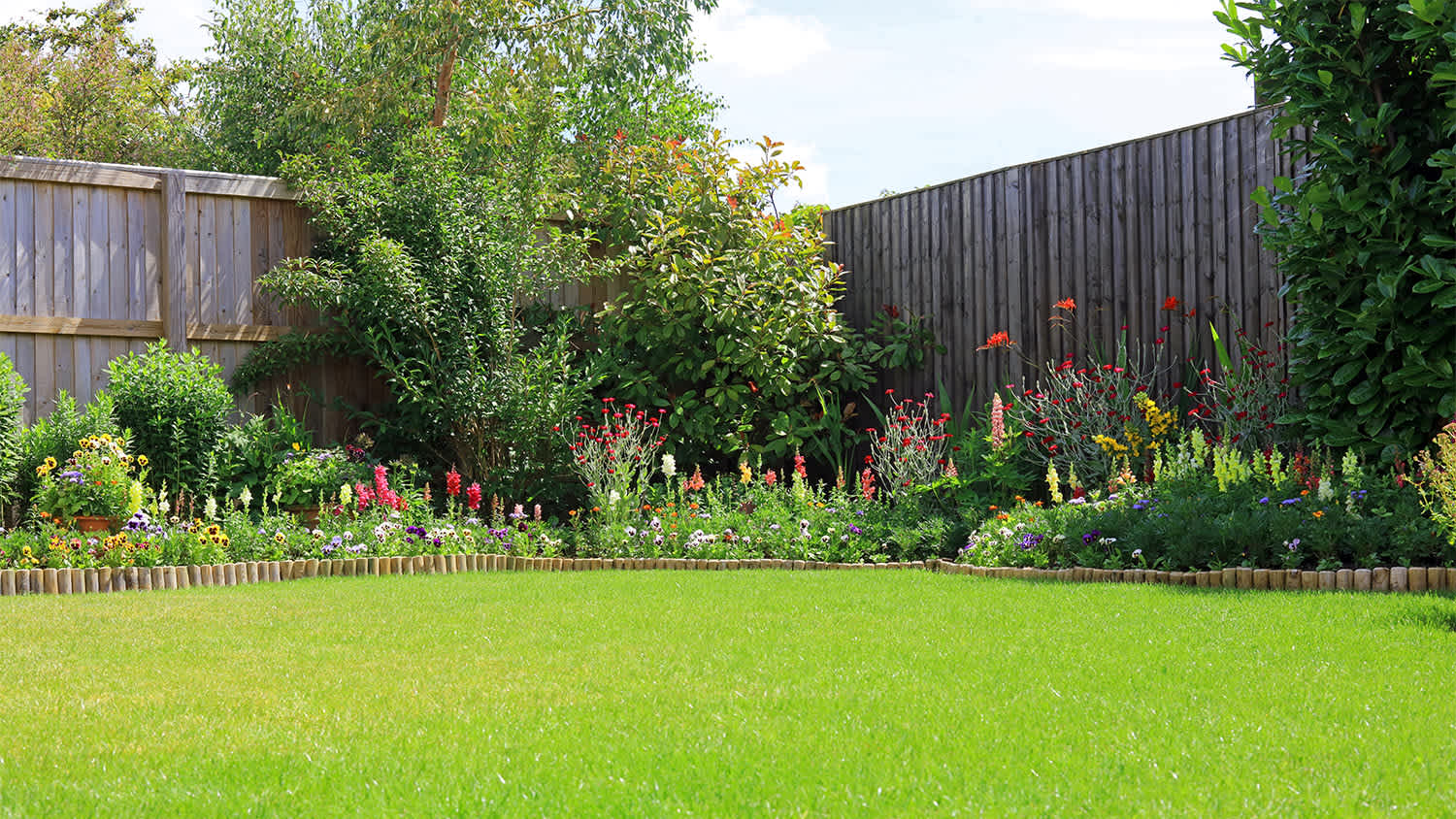
Deciphering a fertilizer bag can be difficult. Use this guide to navigate ratios of N, P, and K grass nutrients to ensure your lawn is in good health.