
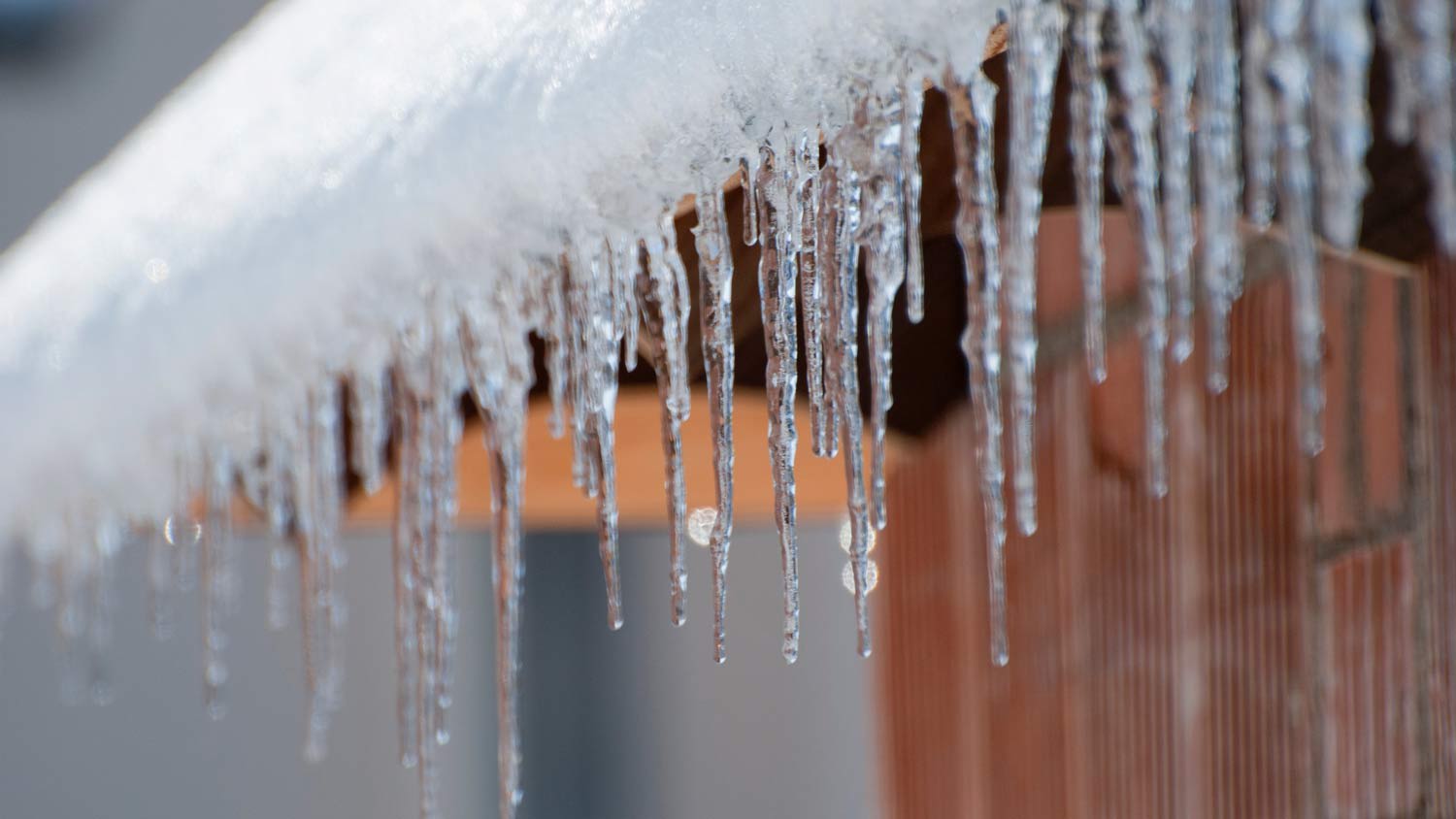
Winter’s icy chandeliers can pose more of a hazard than you might think. So should you knock down icicles or let them disappear with warmer weather? Find out here.
Icicles might be pretty, but they’re more dangerous than they look

Icicles on your roof form when heat escapes through your attic and melts the snow above, which then refreezes at the eaves where temperatures drop.
Clogged gutters can trap melting snow and cause it to refreeze, creating heavy ice buildup that pulls gutters away from your home and damages fascia boards.
Proper attic insulation prevents heat from escaping through your roof, stopping snow from melting and refreezing into icicles or ice dams that can damage your home.
Hiring a local snow removal professional keeps your roof clear and safe, helping you avoid ice dams and the serious damage they cause to your home.
When the temperatures dip, and snow covers the ground, there are few things that add more to the picturesque winter landscape than icicles hanging from your roof or gutters. Unfortunately, this indicates problems with your home’s efficiency and can lead to major property damage and even personal injury. Knowing why icicles form on your roof and how to prevent them is crucial for keeping yourself and your home safe in the winter months.
Icicles form when snow on your roof melts and then refreezes when it reaches your eaves. This only happens when heat escapes through your attic and then your roof, which heats up the snow above the melting point. When the melted snow drips down toward the edges of your roof where heat isn’t escaping, the water refreezes and forms icicles.
In many cases, icicles indicate an issue with an ice dam, which is when a mass of ice forms along the edge of the eave and prevents the melting snow from making its way into your gutters for disposal.
In other cases, clogged gutters that should move melting snow away from your home could be the underlying issue. If the snow on your roof heats up and melts into the gutters, clogs can hold the water there until it refreezes. Eventually, the ice builds up in the gutters until spilling over the sides and forming icicles.
Yes, icicles on your roof are a problem, and they can lead to a slew of issues that any homeowner will want to avoid.
First and foremost, icicles pose a risk to anyone walking underneath them. Especially on sunny winter days, the icicles can weaken, dislodge, and fall. Small icicles may not be sharp enough to break skin, but heavier icicles can cause minor and sometimes even fatal injuries if you or someone else in your home happens to be underneath them when they fall.
Similarly, icicles can fall on cars parked under or near your eaves and cause damage. Also at risk could be mailboxes, PVC railings on stoops, lawn furniture, and anything else that sits around the perimeter of your home.
If you have gutters with icicles forming on the edge, it often means the gutters themselves are full of refrozen snowmelt. This adds a lot of weight to your gutters and can pull them away from the fascia boards, which can contribute further to clogged and falling gutters. Gutters that don’t hang properly on your home can lead to additional problems, including water damage, mold growth on or under the edge of your roof, and foundation damage.
Icicles often indicate problems with ice dams on your roof, which means ice and melted water are sitting against your roof for extended periods. This can increase the risk of roof leaks, as the water has more time to find its way through your roofing system.
In extreme cases, icicles and the ice dams that often cause them can lead to excessive snow and ice build-up on your roof, potentially causing complete collapse and major structural damage. If you notice signs of an ice dam forming on your roof, it’s important to take immediate action to prevent structural collapse.

The best way to prevent icicles from forming on your roof is to treat the underlying problem by properly insulating your home. If you have an attic, have a professional come in to test the space and replace insulation as needed. If you don’t have an attic space, you might need a pro to replace drywall on the ceilings on your upper floor, along with reinsulating the space behind it. This will help prevent heat from escaping through your roof and contributing to ice dams above.
Another permanent solution would be to install roof heating coils on your roof that can melt the snow and ice dams as they build up. Keep in mind, though, that this doesn’t address the underlying issue and shouldn’t be a stand-alone, so you’ll often need to pay for other solutions in addition to the cost to install roof heating cables.
Finally, you have more manual methods of removing the snow from your roof. You can hire a local snow removal company to rake snow off of your roof before it melts, or you can use a salt solution to lower the melting point. Manual removal is the better option, though, as salt solutions can damage and stain your roof over time.
Don't use salt or ice melt blends on your roof. Most of these products contain salt, which can lead to roof discoloration, rusting of roof nails, and staining. Instead of buying these products, call a snow and ice removal pro for assistance.

One of my old tall evergreen trees was suddenly leaning toward the busy street in front of my house. I submitted a request for an emergency tree inspection, and Alejandro, owner of Cajete Tree Service, contacted me immediately and arrived to look at it just 20 minutes later. We agreed the...
 Cajete Tree Service LLC
Mitchell and the crew were top tier i am so happy with my new roof
 Home Genius Exteriors
Incredible workers! Very skilled with the machinery, climbing, cutting, roping, and removal. Handled everything. Professionals!
 Hoffman Expert Tree Services
D1 Roofing delivers outstanding service from beginning to end, backed by a strong warranty and expert teams. I highly recommend them for their excellence in meeting and surpassing expectations with unmatched communication. Choosing D1 Roofing was flawless decision
 Division 1 Roofing LLC
This place took $25,000 for a flat roof job with a five-year warranty and never returned to fix the leaks that were caused by their work. These people are not professionals and should not be doing this type of work. They incorrectly changed the pitch of the roof, and caused more damage than...
The technician was very professional and friendly. He answered all my questions and was very thorough. He left the fireplace area very clean . He inspected from the roof and advised me as to other work that might need to be done. There was no pressure there. I was very satisfied with the...
 Supreme brick & chimney
I am really impressed with their timeliness and turnaround. Mitchell came out, and we decided to move forward with their pricing. Our roof was on within a week, and we could not be happier with their team! Amazing company, great prices and honest, dependable craftsmanship. I highly recommend...
 Window Depot USA of Central Ohio
Wonderful. I am going to have them remove and replace my driveway in the spring.
 All Star Paving and Sealing
Did a great job replacing the ice maker and water regulator on my refrigerator. He was quick and thorough, very friendly and professional. If I needed a heart transplant I'd want him to do it!!!
Manuel Calvillo is the best option in the area for roofing and you won't be disappointed.
From average costs to expert advice, get all the answers you need to get your job done.
Winter’s icy chandeliers can pose more of a hazard than you might think. So should you knock down icicles or let them disappear with warmer weather? Find out here.
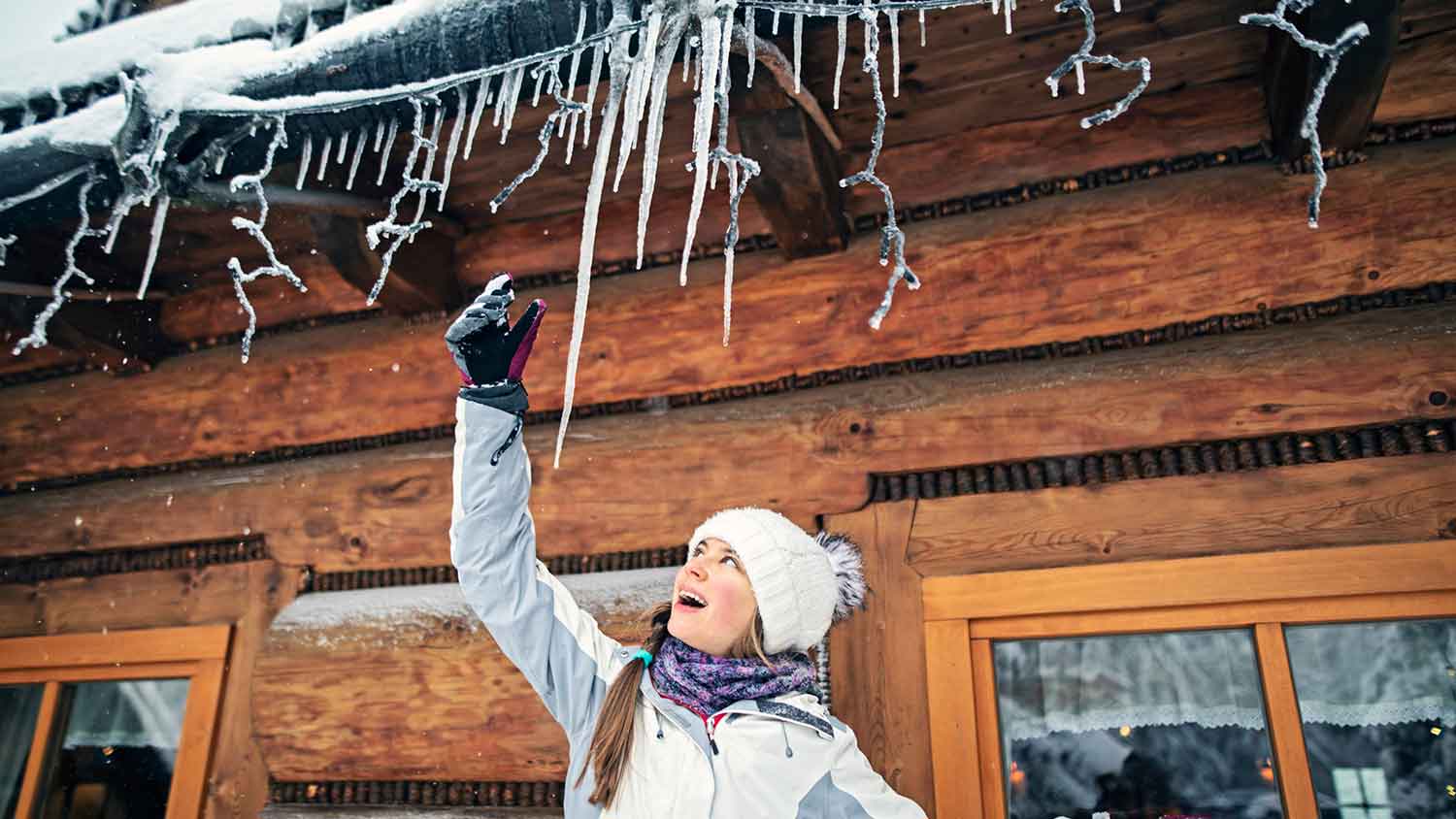
They’re pretty in the winter sunshine, but are icicles bad for your roof? Learn whether you should worry about ice buildup and icicles hanging from your roof.
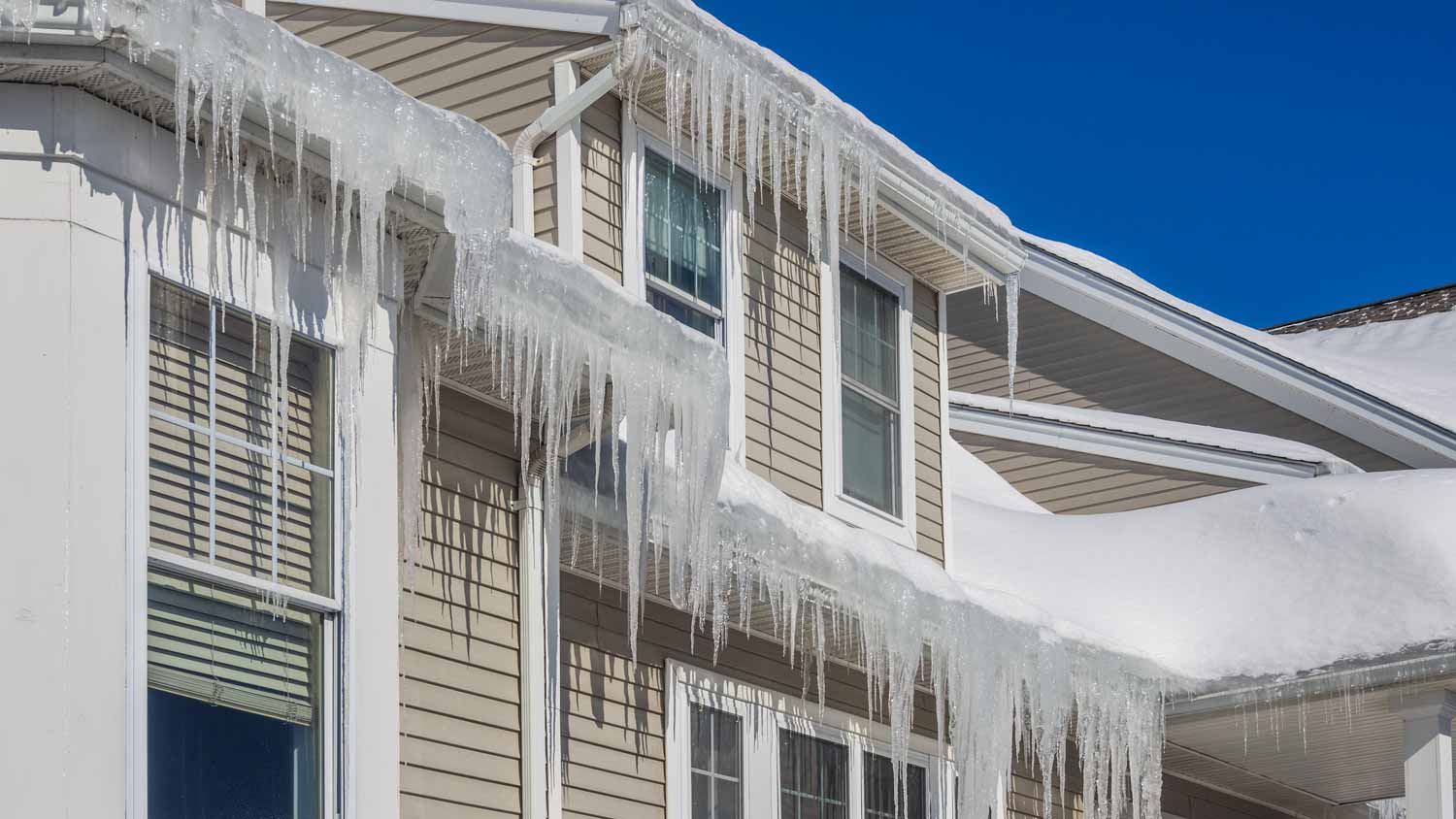
Ice dams and icicles are common winter problems. Learn the difference between these two ice-related hazards and how to prevent them.
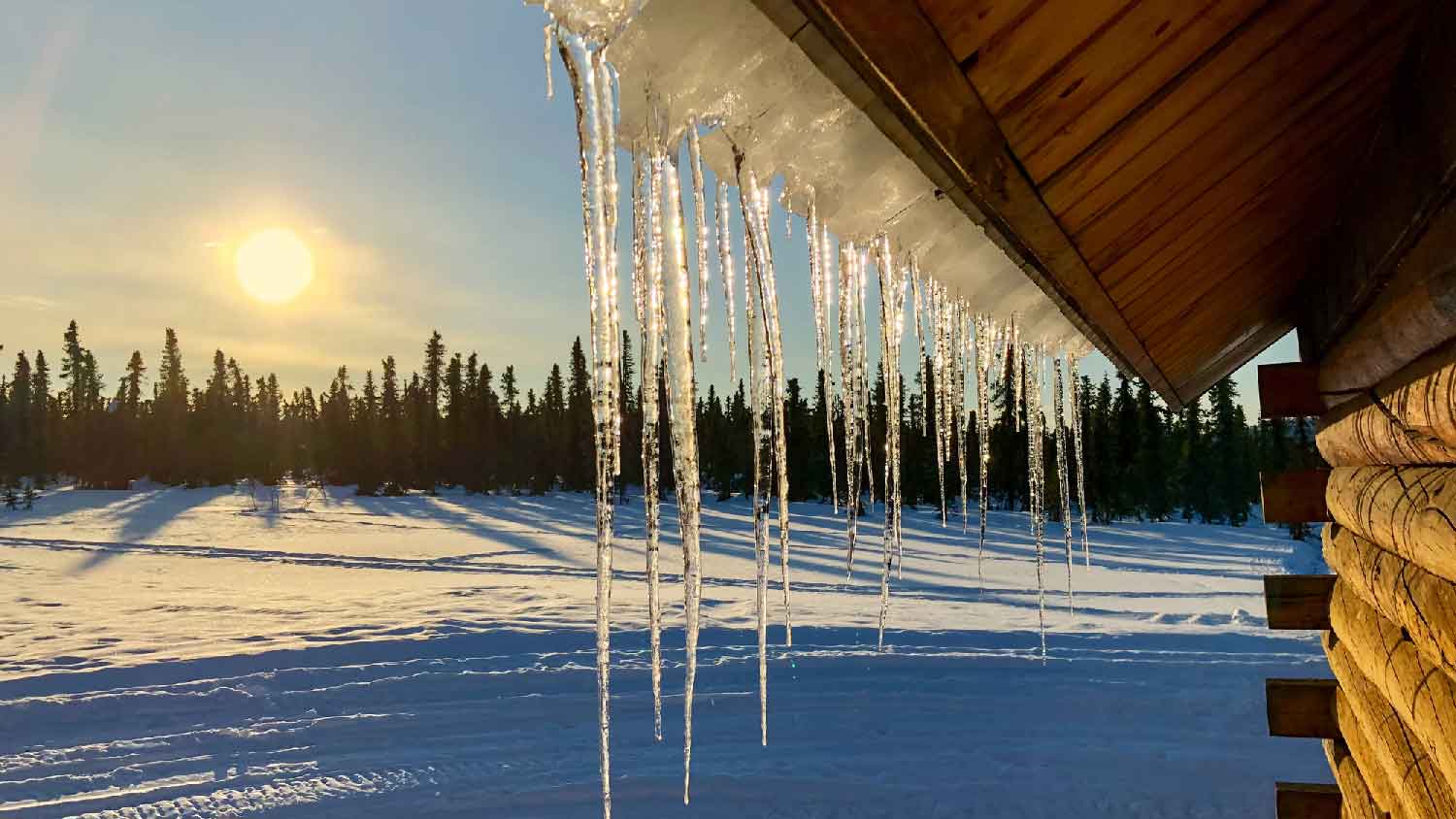
Wondering how to prevent icicles on roofs? While you can't keep it from snowing, you can take steps to keep the icicles at bay. Find out how.
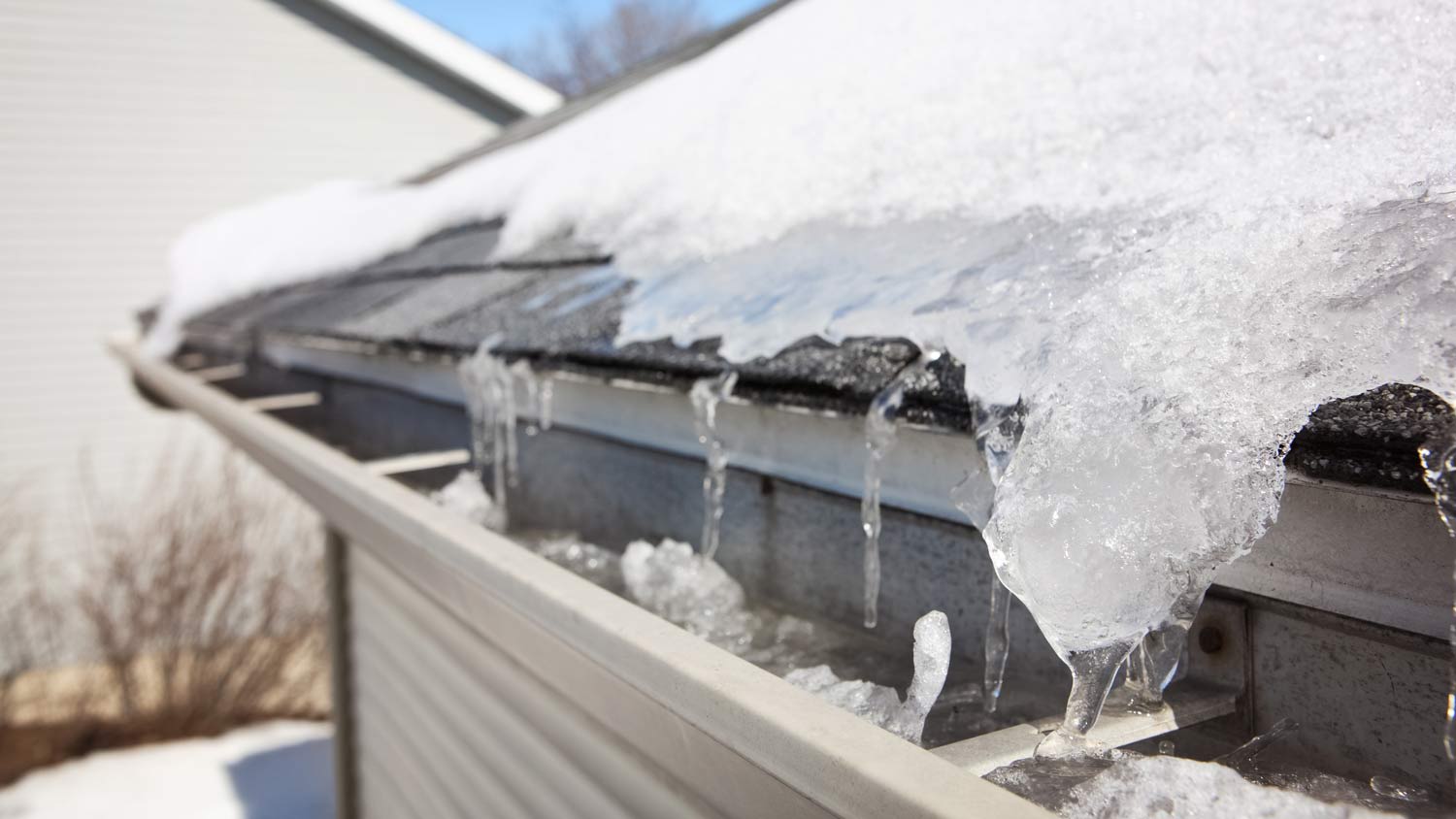
It’s a common myth that gutters cause ice dams, but any roof with snow on it can form ice dams. Learn how to protect your roof this winter.
Roof melts can stop ice dams in their tracks. But sometimes there are better ways to protect your roof and gutters. Here’s what roof melt tablets are and how to use them.