
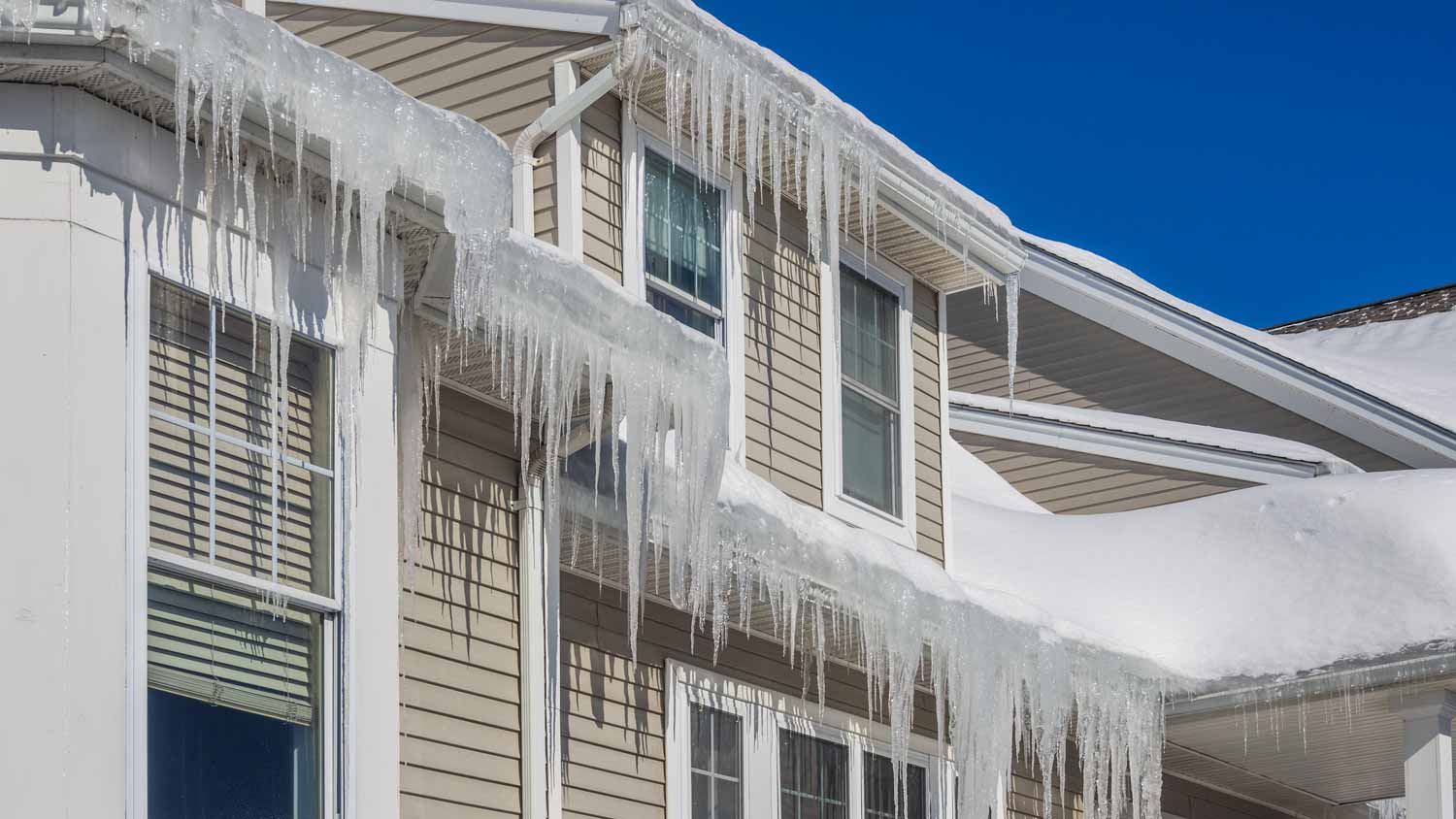
Ice dams and icicles are common winter problems. Learn the difference between these two ice-related hazards and how to prevent them.
Learn whether icicles hanging from a roof are dangerous for your home

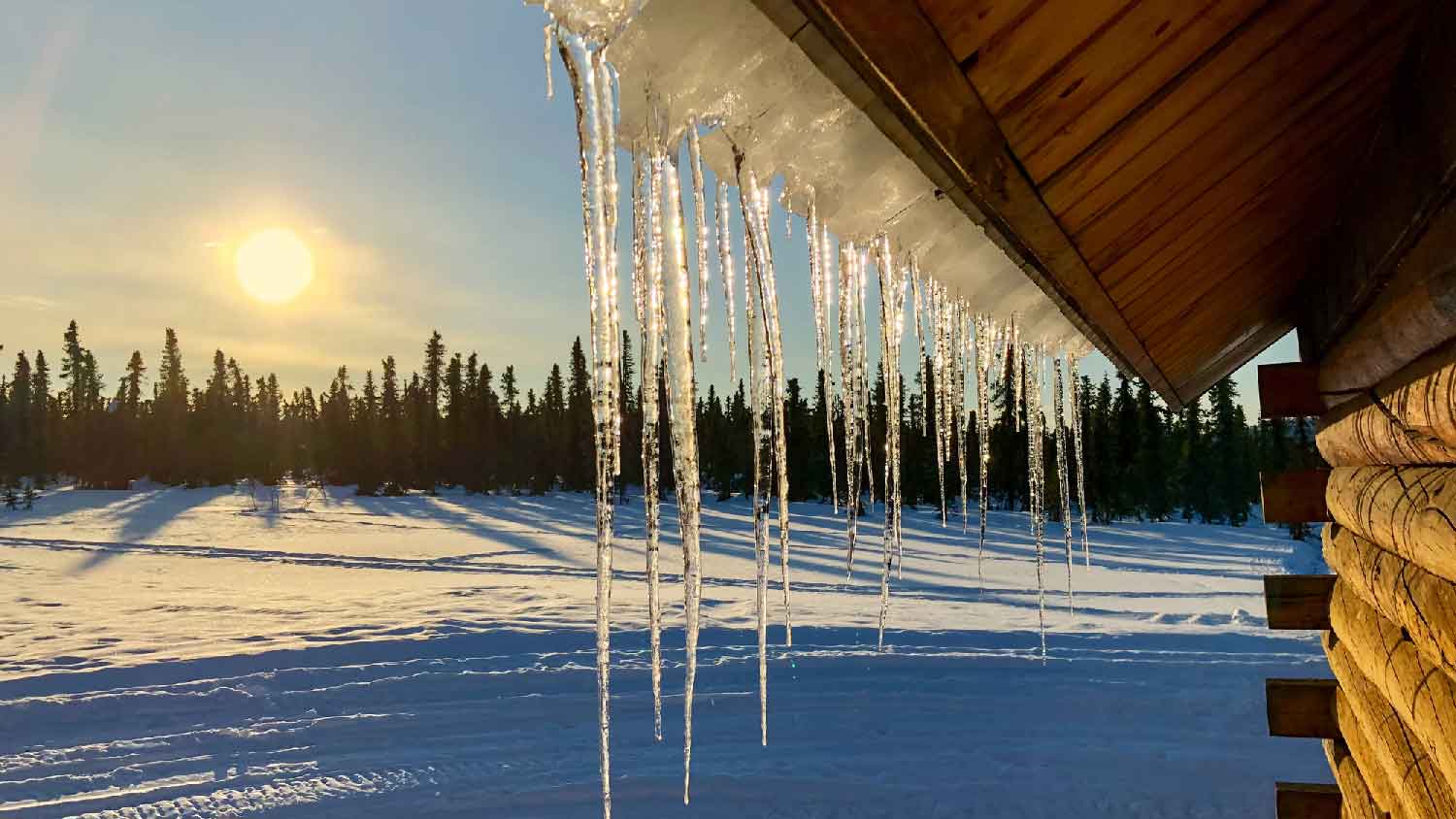
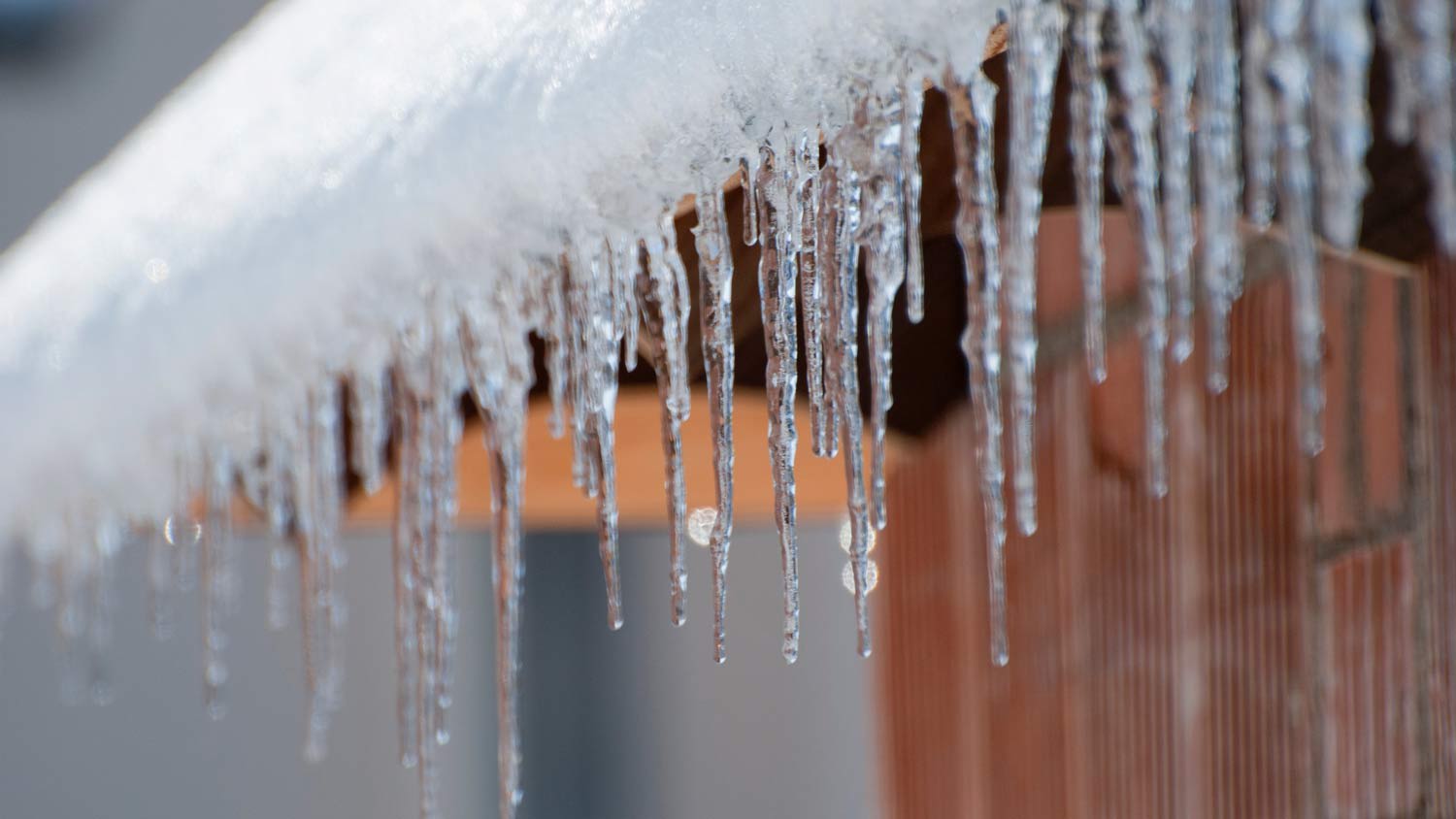
Icicles on houses form when snow melts from your roof, drips, and refreezes, creating hanging ice that grows longer until it breaks off.
If your home has more or larger icicles than neighbors, inadequate attic insulation lets heat escape and melts snow faster on your roof.
Remove icicles safely by wearing eye protection, standing far back, and using a long pole to knock down ice under one foot long.
Hiring a local roof cleaning professional keeps you safe while addressing ice dam removal and roof insulation issues before damage occurs.
If you live in a cold climate with winter weather, you already know how freeze and thaw cycles can grow icicles on roofs, gutters, eaves, and other parts of homes and buildings. While they can be beautiful and make it feel like you are living in a winter wonderland, icicles can be hazardous to your home and your safety. Let’s discuss icicles—what causes them, whether they are dangerous, and how to remove and prevent them.
These frozen beauties are everywhere during cold weather—dramatic stalactites of ice hanging from roofs, homes, businesses, street lamps, tree branches, and even cold noses. Icicles form when snow melts, drips, and refreezes. When drips refreeze before they hit the ground, they begin to build up, creating a growing, tapering mass of ice that will eventually break off before the cycle starts over again.
So, should you knock down icicles? The answer is yes, with some big cautions.
While small icicles add to winterscapes, large icicles can be dangerous. Once they get to be no more than one foot long or bigger than two or more inches in diameter at the thickest part, it is smart to remove them to prevent them from falling on their own and breaking windows, hurting people and animals, or causing roof damage.
Icicles will form anywhere water drips in freezing temperatures. Most icicles on houses form on roof edges when the sun melts snow, but they can also form on eaves, gutters, roof drip lines, and overhangs. They are a normal part of living in colder climates, but they can signal bigger problems.
If snow melts much faster from your roof, or your home has more or much larger icicles than neighboring homes, it may be a sign that your attic insulation is inadequate. Good attic insulation and ventilation keep the heat inside your home and ensure your roof is the same temperature as the ambient outside air, so snow will not melt unless there is warm sun or above-freezing temperatures. If your home lacks insulation, heat will escape through the roof, melting snow and creating icicles where the water meets parts of the roof that are not as warm.
Similarly, if you notice larger icicles forming on your gutters, look carefully for ice dams, leaks in gutter seams, or inadequate roof insulation. When poorly insulated roofs melt snow, the water flows down into the gutters, where it will freeze again. This can cause ice dams or fill the gutters with blocks of ice, which can crack or split or cause the gutters to become heavy and pull away from the roofline. Seam leaks or cracks in a gutter can also allow melting water to drip out of the bottom or side, creating telltale icicles.

Icicles are single long pieces of ice that form and hang from your roofline. You may have one, a few, or a whole line of icicles.
Ice dams are a buildup of ice on the edge of your roof that prevents melting snow from dripping off the roof. They form when heavy snow buildup on roofs melts during the day and then refreezes at night. When this happens for several days in a row, the ice and melted water can accumulate, creating an icy block starting at the edge of the roof and growing up toward the peak. As it grows, freezes, and refreezes, ice dams can begin to damage shingles, allowing water to seep in and damage your home.
Icicles and ice dams can appear together or separately; for example, icicles can be a sign of an ice dam higher up on the roof, or they can be present without an ice dam. Likewise, ice dams can exist without icicles being present.
Many homeowners want to know if icicles are dangerous. The simple answer is yes, icicles can be dangerous to people, pets, your home, and the integrity of the roof. While icicles that fall on their own do cause injuries and damage, it is usually the process of removing them or leaving them in place that causes the biggest problems.
Icicles and ice dams can cause roof damage, but so can you if you get too aggressive when removing them. In fact, a major source of roof damage is homeowners trying to tear off large icicles and ice dams that are tightly affixed to gutters, shingles, soffit, and other parts of their roof or home.
The biggest risk, though, comes from water that can back up behind icicles and the impact that the freeze-thaw cycle has on roofing materials. As icicles form, they prevent melting water from quickly running off the roof. If icicles or ice are clogging the gutters and downspouts, water may have no way to get down to the ground and will instead back up and pool behind the icicles. Then, it can repeatedly freeze and thaw, causing an ice dam and working its way in between shingles and spaces in your roofing.
As the freezing and thawing continues, the ice may pry apart roofing and siding, letting water under your roof and into your attic and walls, where it can seep in. This eventually results in wood rot, dry rot, roof leaks, and damage to walls and ceilings, before ultimately compromising your home’s foundation.

Removing icicles can be dangerous if done incorrectly. Icicles are heavy and sharp, and they can cause punctures, gashes, and other injuries if they hit a person or animal. They can also break windows, pull down gutters, tear roofing shingles, and cause other property damage when they fall. Proactively removing icicles is meant to lower this risk, but do it safely so as to avoid inadvertently causing the very damage or injuries you were trying to prevent. Remember that professional icicle and ice dam removal costs are lower than the cost of hospital bills and home repairs.
Here are some tips for safe icicle removal:
Always wear eye protection and a thick coat and hat, and stand in a non-slippery area as far as you can from the icicle.
Only attempt to remove icicles that are less than a foot long and up to two inches thick.
Use a long broom handle or pole to knock the icicles down and stand as far as you can from the icicle.
Do not hit the icicles too hard—if you get too aggressive, you can knock down parts of your gutter or roofing.
Consider using a chemical deicer to melt icicles and prevent new ones but be cautious with this method as deicers can be corrosive to metal roofs and damage shingles.
If you see a leak, you can use a fan to melt ice dams or snow from inside your home.
If icicles are very large, in hard-to-reach areas, or believe knocking down will be dangerous, call a local roof cleaning contractor who offers professional ice dam removal and ask for assistance.
Don't use salt or ice melt blends on your roof. Most of these products contain salt, which can lead to roof discoloration, rusting of roof nails, and staining. Instead of buying these products, call a snow and ice removal pro for assistance.

Removing large icicles is a great move, but preventing them is even better. Here is how you do that:
Clean gutters and downspouts in the fall or consider investing in gutter guards.
Ensure your home has proper attic insulation and ventilation to prevent heat loss that can melt snow and create icicles.
Make sure your eaves and soffit have good airflow to prevent the freeze-thaw cycle.
Seal any leaks around fireplace and chimney flues, air vents, and other openings in your roof.
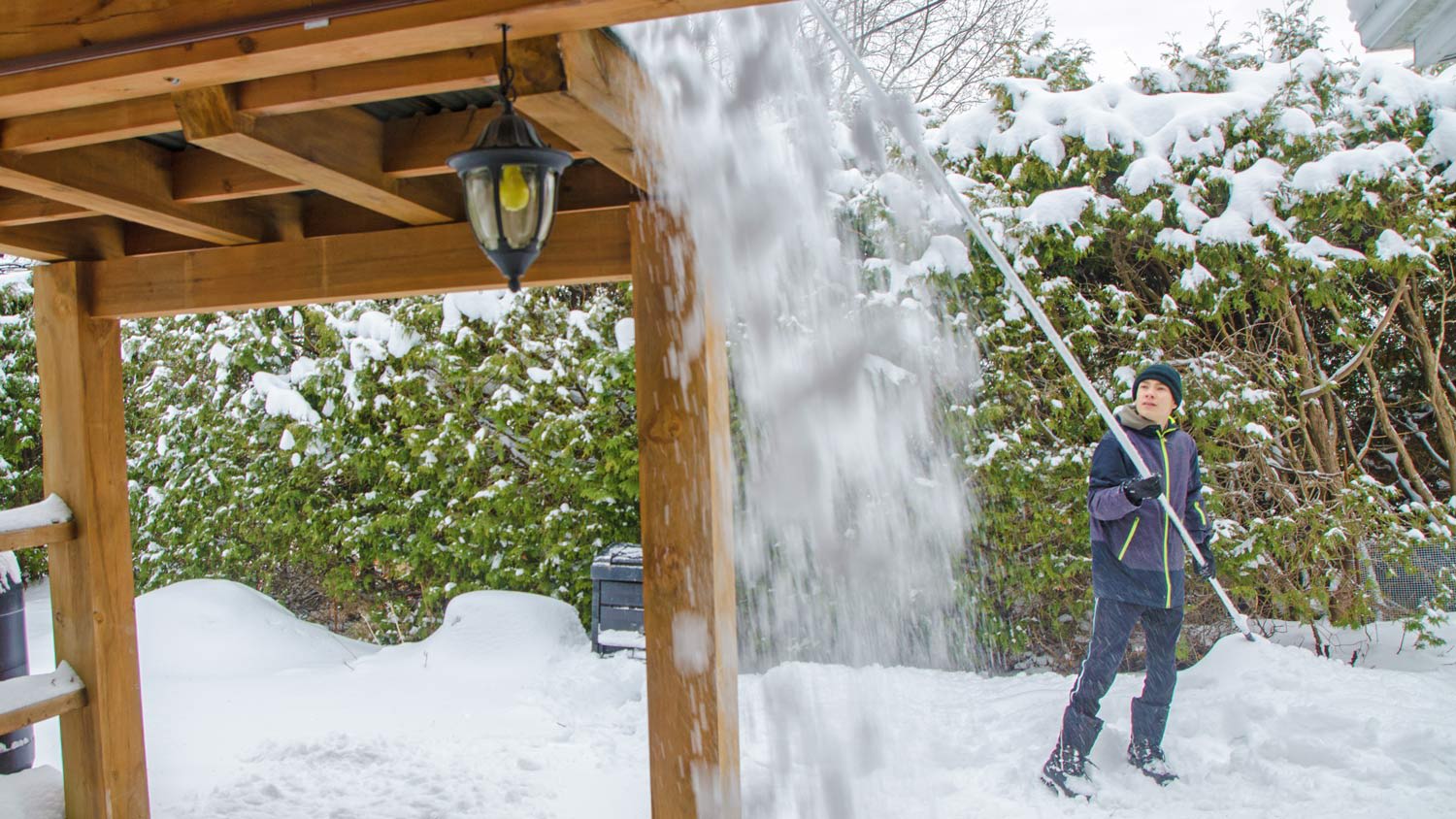
Use a long-handled roof rake to remove snow from your roof while you are standing safely on the ground.
If an ice dam has already formed, try to remove the snow from behind it to expose it and hopefully allow it to melt on the next sunny or warmer day.
Proactively clear small icicles and snow from your gutters and downspouts during the winter months.
If your home is prone to icicles and ice dams forming, install or have a contractor install a deicing cable, heat strips, or ice-melt heat tape.
One of my old tall evergreen trees was suddenly leaning toward the busy street in front of my house. I submitted a request for an emergency tree inspection, and Alejandro, owner of Cajete Tree Service, contacted me immediately and arrived to look at it just 20 minutes later. We agreed the...
 Cajete Tree Service LLC
Mitchell and the crew were top tier i am so happy with my new roof
 Home Genius Exteriors
D1 Roofing delivers outstanding service from beginning to end, backed by a strong warranty and expert teams. I highly recommend them for their excellence in meeting and surpassing expectations with unmatched communication. Choosing D1 Roofing was flawless decision
 Division 1 Roofing LLC
Ace Fireplace Services came to the rescue for my chimney repair. They were quick to pinpoint the issue and worked their magic to fix it. My chimney is now in excellent shape, and I'm a satisfied customer.
 Ace Fireplace Services
This company went above and beyond with their work, chimney sweeps are usually pretty messy, but the clean up was spot on.!! Josh explained every thing that he was doing, and the things that he was checking to make sure the chimney was safe for me and my family. He was very professional,...
 Supreme brick & chimney
I am really impressed with their timeliness and turnaround. Mitchell came out, and we decided to move forward with their pricing. Our roof was on within a week, and we could not be happier with their team! Amazing company, great prices and honest, dependable craftsmanship. I highly recommend...
 Window Depot USA of Central Ohio
When we had the winter freeze, I called Quantum Waterworks Waterline & Drain Cleaning Services and within 1 hour I received an e-mail and he sent someone out the next day and he was on time, he was nice and did the job quickly and cleaned up after himself. We had a leak in our kitchen from...
 Quantum Waterworks Waterline & Drain Cleaning Services, LLC
Wonderful. I am going to have them remove and replace my driveway in the spring.
 All Star Paving and Sealing
Did a great job replacing the ice maker and water regulator on my refrigerator. He was quick and thorough, very friendly and professional. If I needed a heart transplant I'd want him to do it!!!
Maple Tree Service should serve as a mentor for other business! Customer service was superior and beyond expectation. Response to request was prompt. The representative was very courteous and proud of the company. Quote was given during initial visit and work date established. A follow up...
 Maplewood Tree Service
From average costs to expert advice, get all the answers you need to get your job done.
Ice dams and icicles are common winter problems. Learn the difference between these two ice-related hazards and how to prevent them.
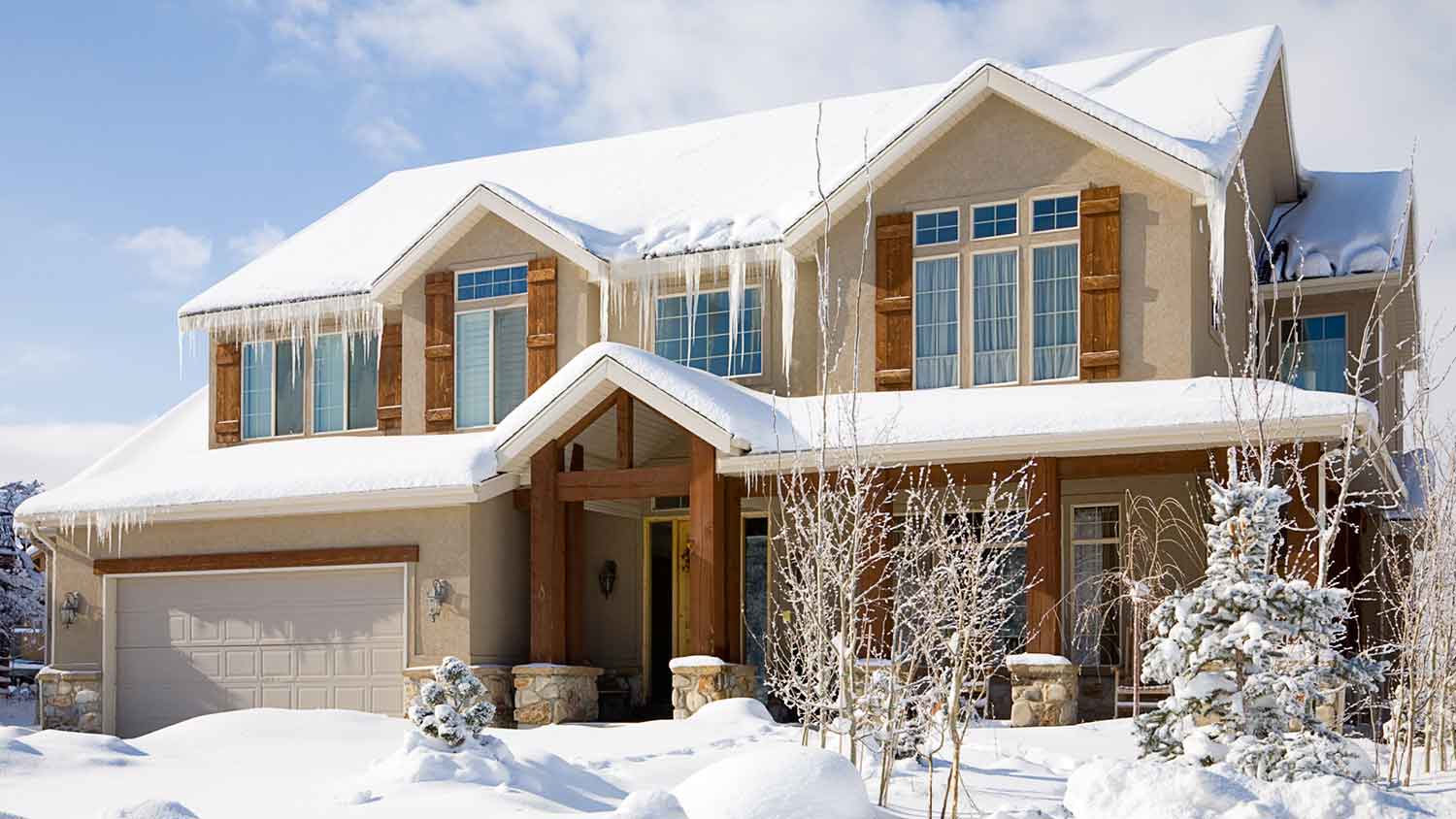
Wondering why icicles form on your roof? Learn the underlying problems, why you need to take action, and the solutions you can implement to fix the issue.
Wondering how to prevent icicles on roofs? While you can't keep it from snowing, you can take steps to keep the icicles at bay. Find out how.
Winter’s icy chandeliers can pose more of a hazard than you might think. So should you knock down icicles or let them disappear with warmer weather? Find out here.
Should I remove snow from my roof? This is a common question for homeowners during the colder months. Find out when and how to tackle the job safely this winter.
Roof melts can stop ice dams in their tracks. But sometimes there are better ways to protect your roof and gutters. Here’s what roof melt tablets are and how to use them.