
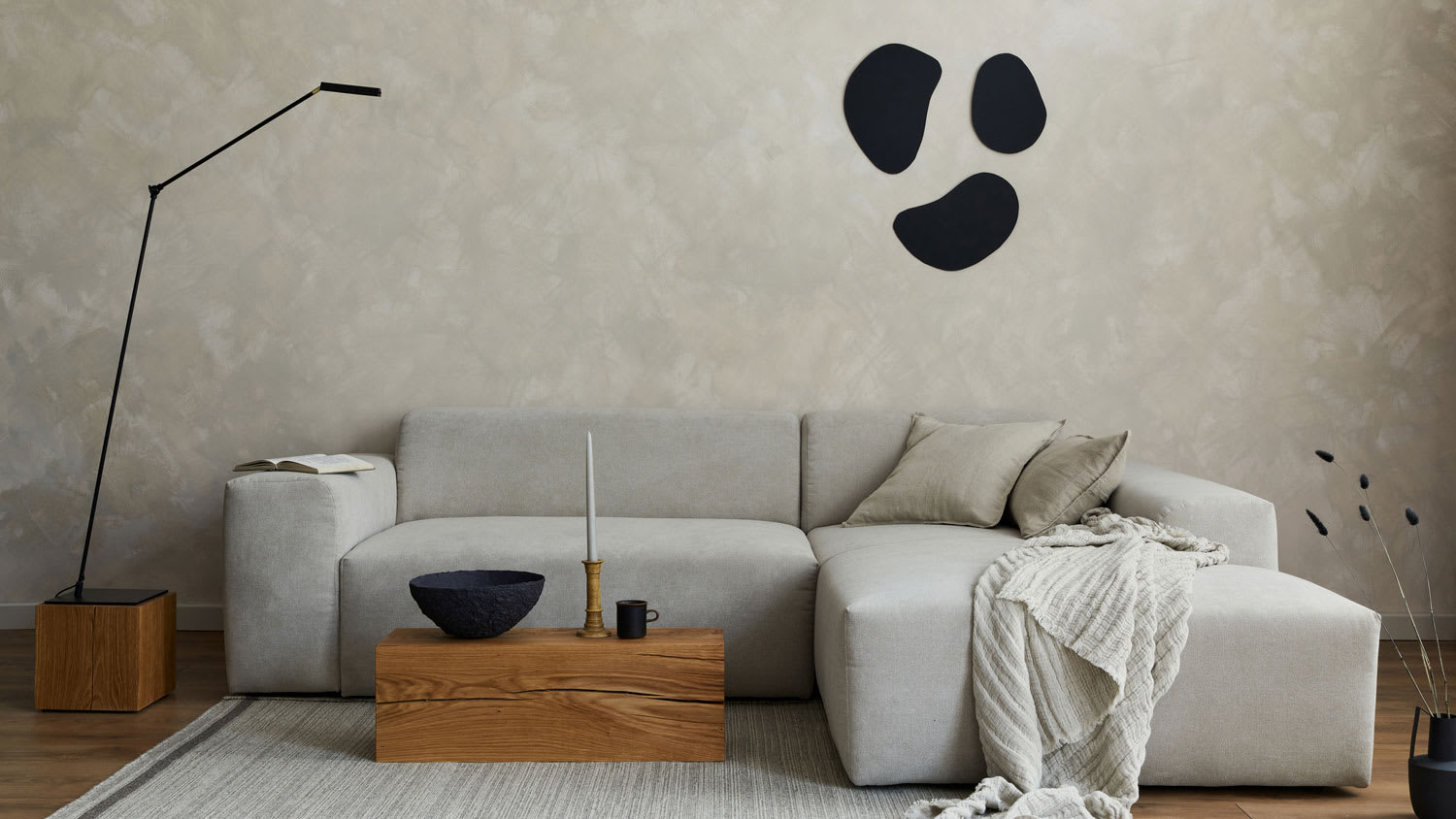
Japandi style includes some of the best elements of both Scandinavian and Japanese interior design, like the use of natural materials and purposeful finishes.
Take a trip to Scandinavia without ever leaving home

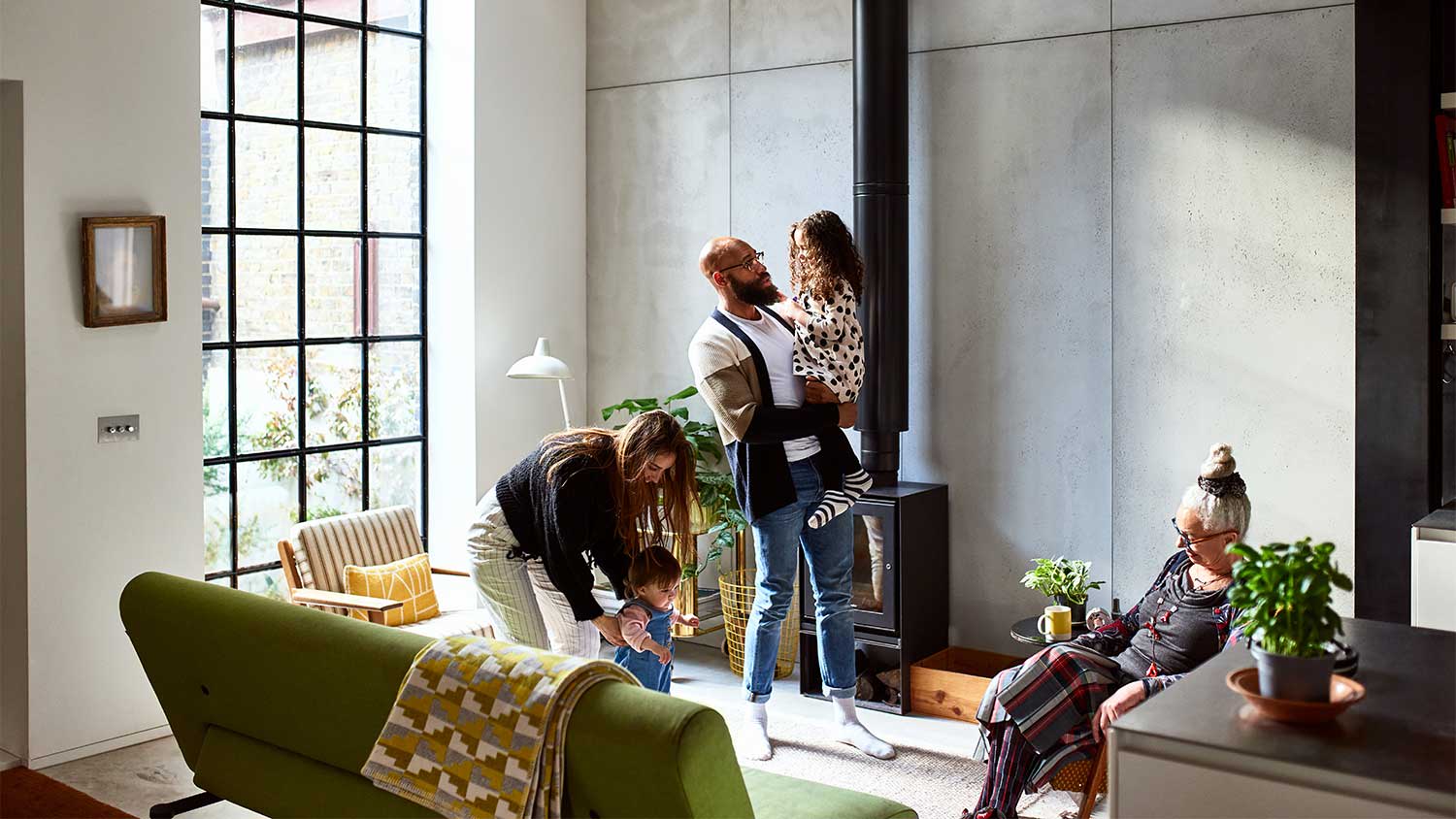
Scandinavian home design centers on natural light, light colors, clean lines, and minimalism to create open, functional, and comfortable spaces in your home.
Incorporating cozy textiles like throw pillows and blankets adds warmth and comfort to your space, reflecting the hygge principle central to Scandinavian design.
Simplifying your home's color palette with light or muted tones on walls and furnishings creates the airy, open feeling characteristic of Nordic interiors.
Hiring a local interior decorating professional brings expert guidance on blending Scandinavian elements with your existing space, helping you achieve a cohesive, functional design.
When it comes to creating cozy-yet-functional environments, Scandinavian design can’t be beat. This mid-century favorite is still a hit now because of how easy it is to integrate into just about any space. And understanding a bit about what makes it so special will help you decide which elements are best for your abode in particular.
Whether you want to go all-in or bit by bit, keep reading to find out all the big and small ways to bring Scandi design into your own home.
Scandinavian design encompasses the work of designers and architects from the five Nordic countries—Denmark, Sweden, Iceland, Finland, and Norway. Light colors, open spaces, clean lines, functionality, and minimalism are just some of its defining characteristics.
Scandinavian design first began to appear in the early 20th century. It was influenced by corresponding design movements like Art Nouveau in France and Bauhaus in Germany, as well as the advances made in furniture manufacturing during the Industrial revolution. For one of the first times in the history of furniture, pre-fabricated, modern furnishings were becoming more accessible to the average population, and this had a huge impact on the development of Scandi design.
In 1914, the Danish company for the decorative arts (or Selskabet for Dekorativ Kunst) formally introduced Scandinavian design to the world of interior design with the publication of a magazine called “Skonvirke”—which literally translates to “graceful style.”
However, it wasn’t until the 1950s that it really became a global sensation. This was largely thanks to the visionary work of designers and architects like Alvar Aalto, Arne Jacobsen, Borge Mogensen, Hans J. Wegner, Verner Panton, Poul Henningsen and Maija Isola, who ushered in a golden period for Scandi design from the 1950s to ’70s.

While comfort and coziness are two major hallmarks of Scandinavian design, they’re only the tip of the iceberg. This style is all about modernism and functionality and achieving that aesthetic through all means possible. That includes cosmetic elements like furniture and lighting, as well as behind-the-scenes efforts like sustainability and out-of-sight clutter.
From hygge to IKEA, here are some of the most famous and beloved traits of Scandinavian design.
Hygge is all about getting cozy and enjoying the little things, and this logic plays a huge role in Scandinavian design as a whole. Great attention is paid to anything that can create comfort in a space like soft textiles, candles, humidifiers, roaring fireplaces, and even the perfect coffee-making set-up.
Because everyone’s idea of comfort is highly individualized, the amount and distribution of these elements can vary a lot from one home to the next. At the end of the day, it’s all about including what makes you feel comfortable.
Much of Scandinavian design relies on eco-friendly principles. Many Nordic designers make use of natural or recycled materials, as well as ethical means of production and collaboration with local craftspeople and resources to reduce environmental impacts as much as possible.

Unlike in the work of corresponding eras like Art Nouveau, you won’t find any ornate or intricate carvings in Scandinavian design. Instead, Scandi design is primarily composed of clean lines and organic shapes. Pieces are meant to look great and function just as well.
Cutting down on clutter is a key aspect of Scandinavian design. Doing so creates environments that are more organized and easier to function, as well as light, airy, and open.
Light or muted colors are frequently used in Scandinavian interior design to create airy and open environments. Though white walls are a common feature of Nordic homes, pastel greens, blues, pinks, and beyond are also fair game. In a similar vein, light and mid-toned wood fixtures are another common feature of Scandinavian design.
Because light is limited in Nordic countries for a large part of the year, huge importance is placed on the presence of natural light in Scandinavian design. Unlike other European-style lighting, the light fixtures that are used are simple yet impactful and include everything from stylish pendant lights to modern chandeliers.
Intrigued? Here’s how you can get a taste of Scandi design in your home.

Investing in comfortable textiles is one of the quickest ways to infuse your home with Scandi style. That doesn’t mean you have to cover your home plush from wall to wall. Most spaces will benefit from just one or two soft and cozy additions, whether that’s a bright, white shag rug, or a beige wool tapestry. Even just a bit of accessorizing will highlight this style.
Removing clutter is a must if you want to truly embrace Scandinavian design. And, unlike the other tips on this list, it can cost practically nothing to do. In general, try to store everyday objects in easy-to-access yet out-of-sight places, so that you can get to them quickly without having to look at them all the time. Keep only design-friendly, utilitarian objects on display, like hand-crafted pottery.
Though you don’t have to get rid of color entirely to embrace Scandinavian interior design, you may have to tone it down a bit to achieve the desired effect. In general, bright or vibrant colors are only featured on smaller design elements—like on textiles and art—and light ones are reserved for larger fixtures like interior walls or furnishings.
If more natural light isn’t an option where you live, there are still ways to brighten your home in a Scandinavian-inspired way. Invest in LED lights to have better control over light temperature, color, and mood lighting. Set up accent lights in especially dark areas to add an extra layer of coziness. Even simply switching out dark curtains for light drapes will have a huge impact on the brightness of your home.
Great job! Friendly, timely and thorough.
 Eco Plumbers, Electricians, and HVAC Technicians
Supreme Brick & Chimney did a great job with a cleaning and inspection of the fireplace! He was efficient, on time, and very pleasant. The space was kept very clean, and the fireplace was spotless when he was done. He also performed a thorough inspection, and did a great job talking us...
 Supreme brick & chimney
Custom Paint Jobs LLC is the go-to choice for all your painting needs. They painted both the interior and exterior of my house flawlessly. Their work speaks for itself!
 Custom Paint Jobs, LLC
They were very helpful with design, very quick to respond, good quality work, and competitive pricing!
 Cooks Cabinets
On time, clean and finished fast. Windows seem sturdy and the finish is good. Caulking was done with no smudges. Would recommend.
 Window Depot USA of Central Ohio
If I could give 10 stars for Kitchen Tune Up, I would. I cannot say enough good things about my experience with Kitchen Tune Up and the entire team involved in the process of my kitchen project. They went above and beyond as far as service and quality with my cabinets, paint, countertops, and...
Beginning with the estimate, Larry and Peyton were super helpful in getting my new condo's interior re-painted. Not only was the job well done, but also done in a super timely manner as promised.
 Five Star Painting of Plain City and Powell
Great job...edging and pre clean up went well with a great job with seal coat. Friendly, efficient and professional.
 All Star Paving and Sealing
We were having 2”x 2” tile installed . There was a small installation error and the new additional replacement tile was from a different lot and the colors didn’t match. Joe assured us that he would rectify everything , which he did without hesitation. We decided to go with the 18” x 36” tile...
 CarifaTile
We live in a condo and had space to add a tall cabinet. The problem was the space was already occupied by our catsâ litter box. We needed to still keep the litter box in that same corner. Beiler Custom Cabinets was able to work with our need and design request. What was created was an...
 Beiler Custom Cabinets, LTD
From average costs to expert advice, get all the answers you need to get your job done.
Japandi style includes some of the best elements of both Scandinavian and Japanese interior design, like the use of natural materials and purposeful finishes.
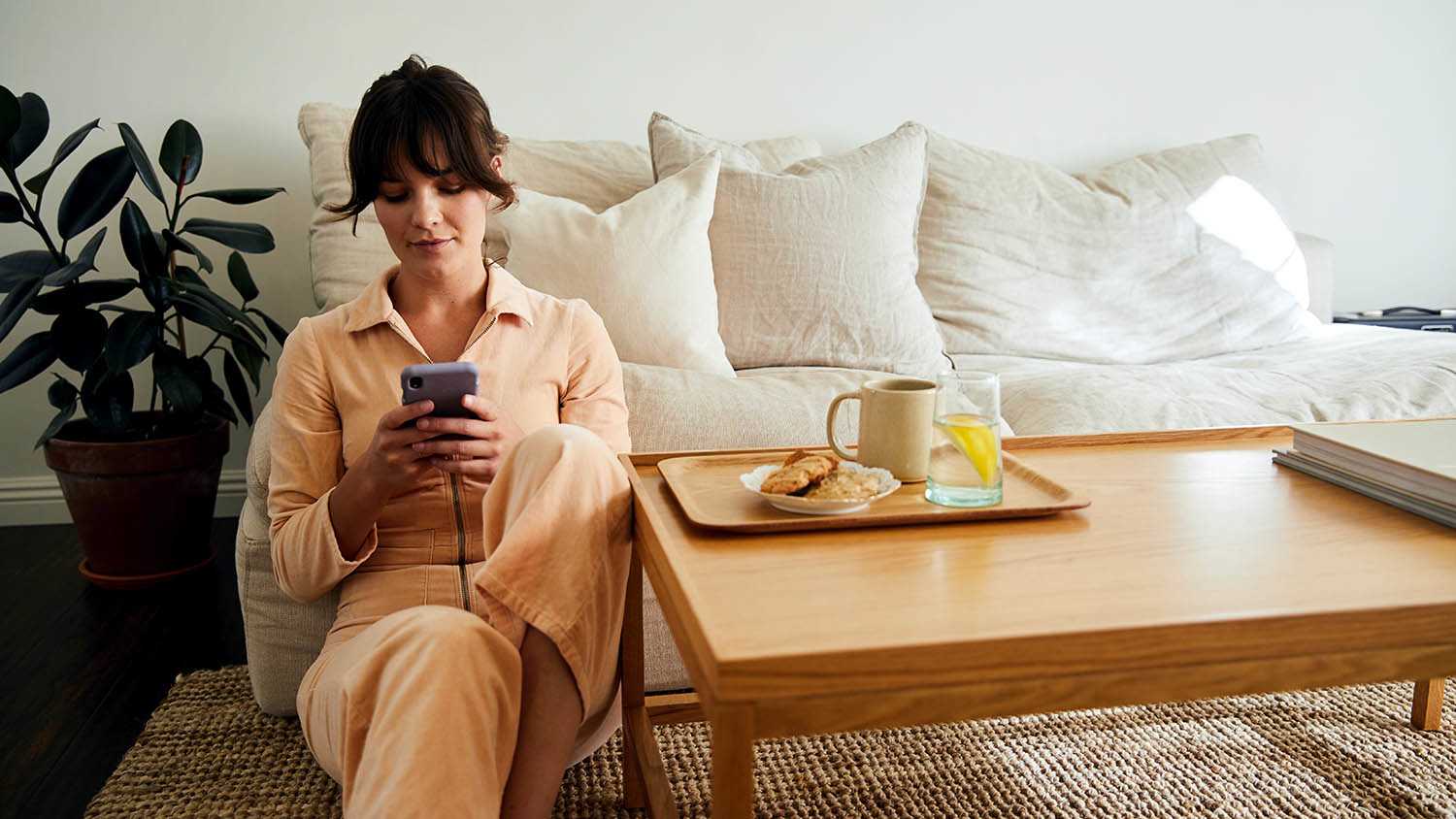
From room colors to ornament options, a home’s interior design can say a lot about your personality. Read on to learn which home decor style best represents you.
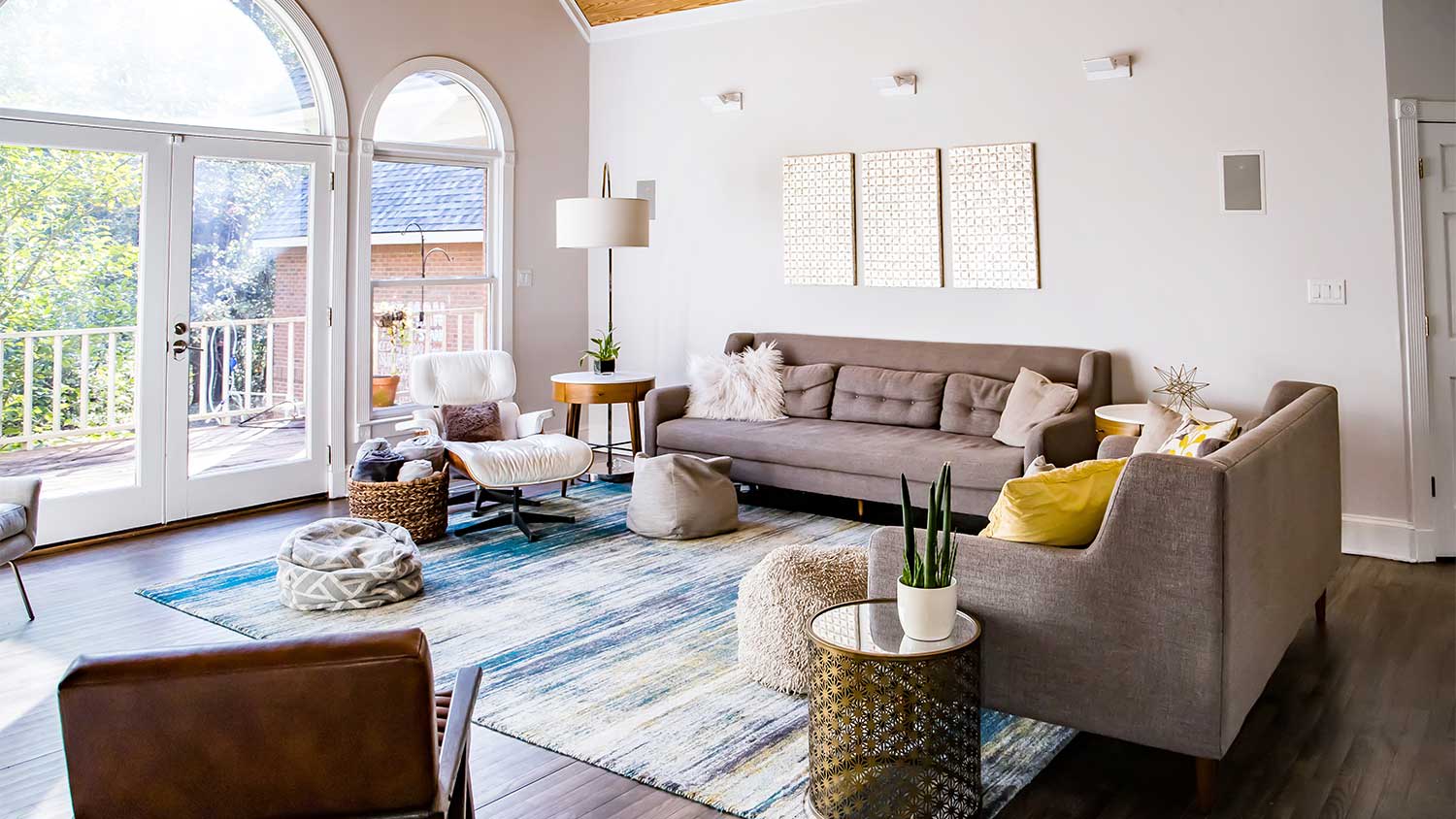
If you’re looking to channel all the sparkle and allure of 1950s home decor, we’ll share some tips to take this design style into the modern age.
Why not imagine what would happen if the first family of Springfield was to give their famous Simpson home a makeover?

Transform your modern living room with contemporary or timeless interior design touches for a space that expresses your inner style.
What is contemporary design, and what is modern design? These styles have some similarities, but they're also very different. Read on to find out more.