

What you’ll pay for furnace repairs depends on many factors, including what parts are malfunctioning, where you live, and even the time of day. Here’s a breakdown of what can go wrong with your furnace and the cost to fix those issues.
Expand the limits of your furnace knowledge

Your furnace's heater limit switch monitors temperature and shuts down burners when overheating occurs, preventing fire hazards and serious damage to your system.
Schedule annual furnace inspections to keep your limit switch working properly, as regular maintenance helps catch problems before they lead to system failures or safety risks.
Watch for warning signs like your furnace shutting off early, blowers running constantly, or cool air coming from vents, which indicate your limit switch needs attention.
Hiring a local furnace repair professional provides reliable help with limit switch testing and replacement, keeping your heating system safe and preventing overheating problems.
Your heating system is complex, and for good reason—its mechanisms help to maintain a comfortable temperature in your home, even when there is a blizzard outside. One small but important part of your furnace is the limit switch, which prevents overheating. Learn more about what a limit switch on a furnace is and how to tell if it’s malfunctioning.

Your furnace’s limit switch is there for safety. Essentially, the limit switch controls the temperature of the furnace and lowers it if it runs too high. Without a limit switch, your furnace could catch fire or be badly damaged from overheating. Having your furnace limit switch inspected annually is one critical furnace safety tip.
Understanding how a furnace works is key to understanding a limit switch’s function. Here’s a basic breakdown of your furnace’s process:
Your furnace powers up after you turn up your thermostat.
The furnace burners heat air in a chamber called the plenum.
The plenum continues to warm up until it reaches the temperature you set your thermostat to.
Heat is then transferred through your duct system.
Throughout all this, the limit switch monitors the temperature and shuts down the burners if the furnace overheats.
The limit switch also does this by activating a blower fan, which cools the system down to a safe temperature.
Now that you know the importance of the limit switch, learn the signs that indicate it is failing so you can have it repaired ASAP and keep your furnace in good working order. Here are indicators that something is wrong:
The system shuts off before reaching your desired temperature as set on your thermostat.
The furnace blowers run continuously.
Your vents send out cool air instead of heat.
If you are experiencing any of these issues, it could be time to contact a local furnace repair pro. Remember to also schedule regular furnace maintenance and inspections—when a technician can check all components of your furnace and make repairs as needed, your heating system should continue to operate efficiently. The cost for a furnace inspection is $100, on average.
If you’re good people wanting to do business with good people, hire Matt. He is a consummate professional and utterly competent. He installed a water heater in my home at a price that beat competitors by hundreds of dollars with a promise to support the unit for its life (even after its 6 yr...
 Greene's Plumbing Services
As usual with ECO, tech Jordan was outstanding, very professional, very knowledgeable, and very thorough with repairs made to tankless water heaters. Very highly recommend ECO!!!
 Eco Plumbers, Electricians, and HVAC Technicians
Did a great job replacing the ice maker and water regulator on my refrigerator. He was quick and thorough, very friendly and professional. If I needed a heart transplant I'd want him to do it!!!
We had a gutter blockage that was causing water to sheet down the side of the house and ultimately it started to come in at a window (need mortar people next). Called around 7:30am, and he responded by 8am. He was able to come out the same morning and do a look over and clean out. He also...
Scott checked our large crawl space for mold and water infiltration and recommended a viable solution. The crew was efficient and they cleaned up well after the job. The job was expensive but I am confident that I won't have to deal with the problem again. Highly recommend.
 AdvantaClean of Dublin
They were the most through inspecting the water system in my house. Even going the extra mile to get the water professionally tested for contamination.
 Hague Water Conditioning, Inc.
Very well. Have already used them again to fix hot water heater
 Service Olympians
The Paul Davis team was very professional and went the extra mile to take care of my water damage. The work was very high quality and done in a timely manner. I would highly recommend their services.
 Paul Davis Restoration
Honesty is hard to find in business today. GBR met me today at a 3 story building regarding my being told that I needed to tuckpoint the brick because of water leaks. The owners took the time to evaluate the situation and advised me that I did not need their service at all. They pointed me...
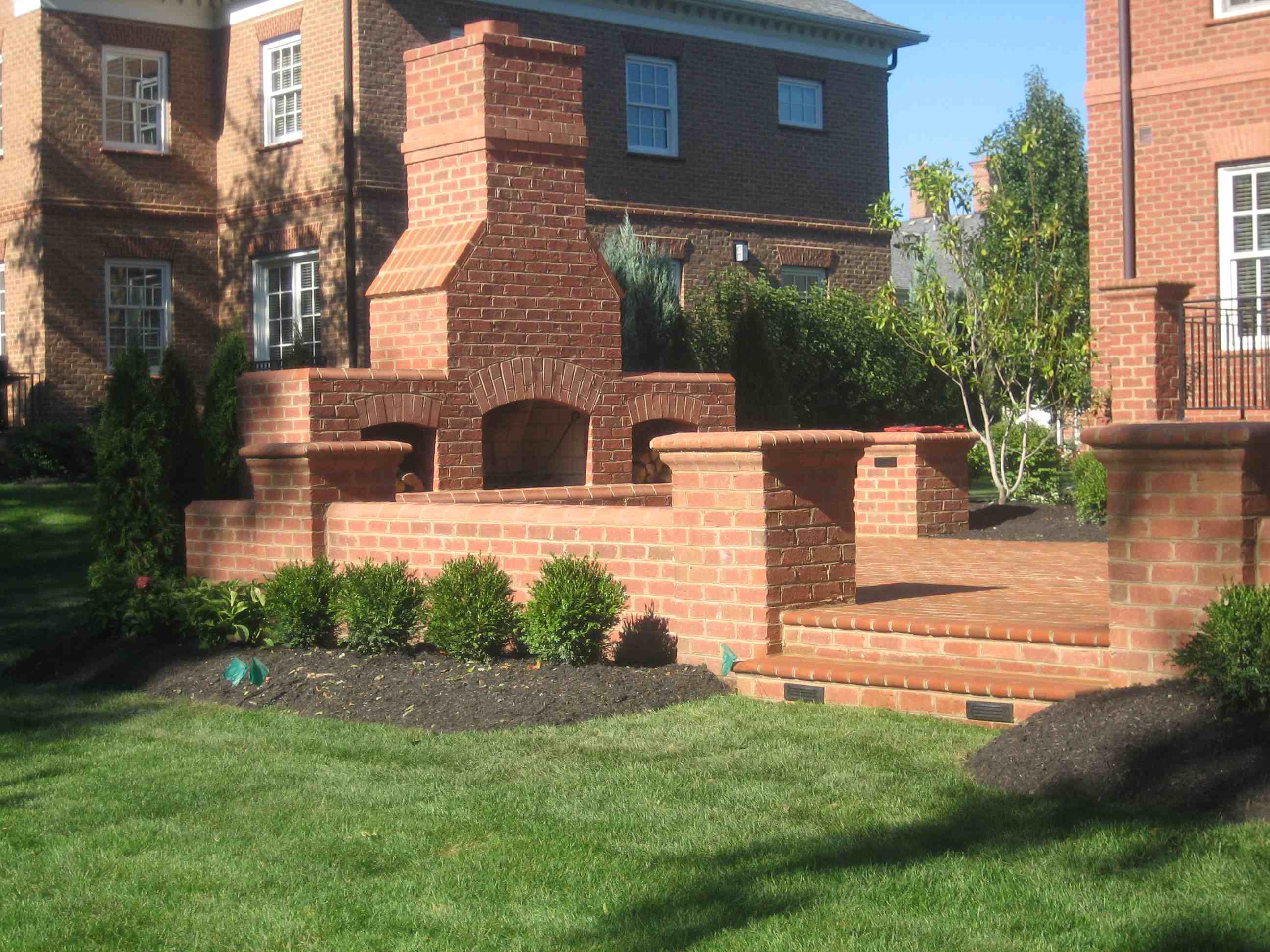 GBR Masonry Inc
They unclogged the drain and sent me a bill for more than 4 times what I paid before. I called the Water Works to ask why the bill was so high and that they should have gotten my authorization before assuming they could make expensive decisions like that on my behalf and for their benefit....
 The Waterworks
From average costs to expert advice, get all the answers you need to get your job done.
What you’ll pay for furnace repairs depends on many factors, including what parts are malfunctioning, where you live, and even the time of day. Here’s a breakdown of what can go wrong with your furnace and the cost to fix those issues.
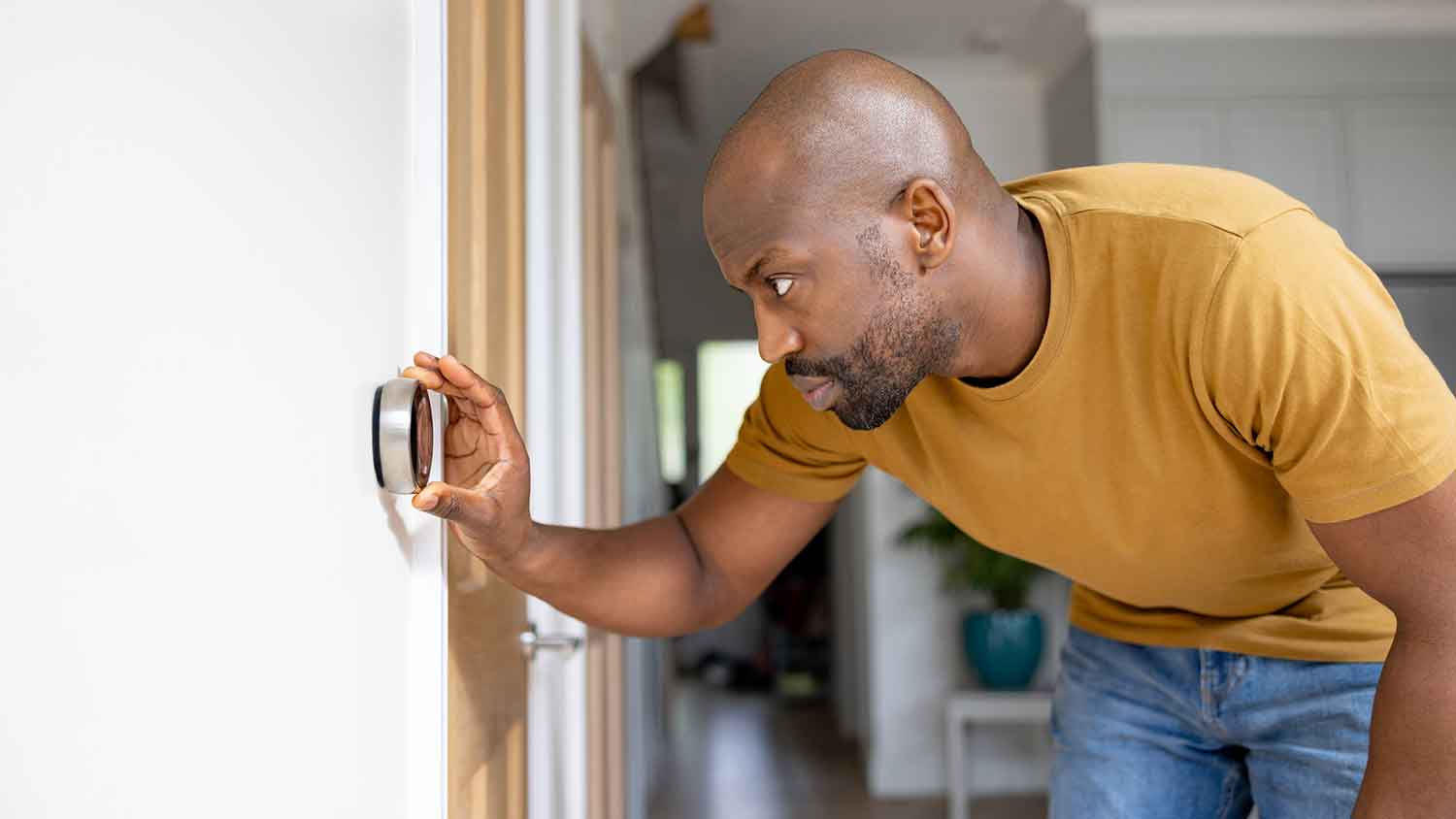
If your furnace is malfunctioning, it could be a faulty control board. Find out what a furnace control board replacement costs for parts, labor, and more.

If your furnace fan keeps running with the thermostat off, it’s likely due to one of these issues. Continue reading to find out what’s up with your furnace fan.

Whether you’ve lost heat or your furnace is making strange sounds, stay calm. Use this guide to determine the source of the problem and your next steps.

If you’ve noticed cold air blowing out of your vents when the heat is on, you might be able to fix it without calling a pro. Learn how in this guide.

Have you ever wondered what a furnace is and what it’s used for? Check out this furnace guide to learn how it works, costs, maintenance tips, and more.