
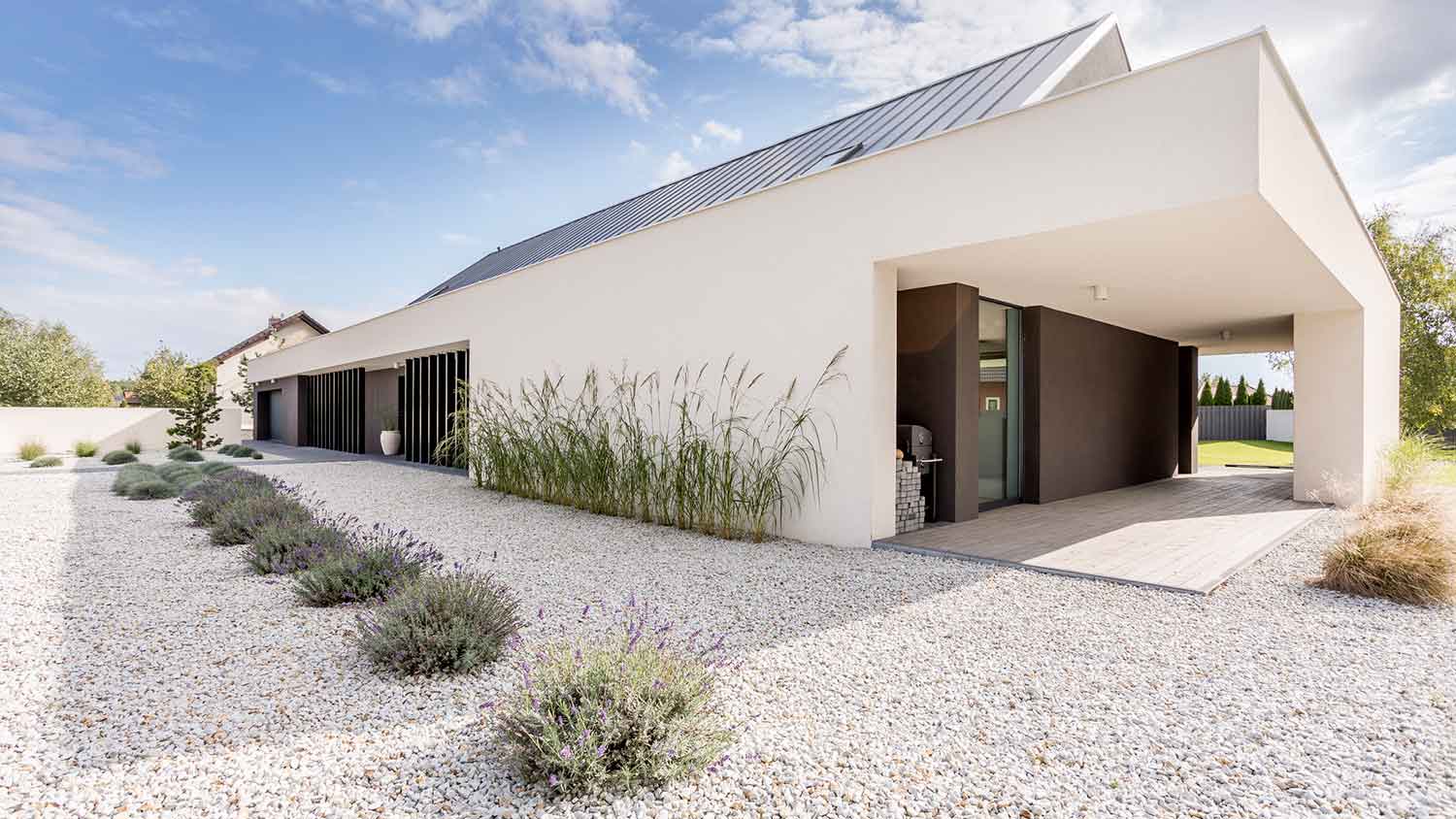
Gravel is an inexpensive paving material overall, but costs vary by type. Find out what average gravel prices will look like for your project.
Let’s dig in and unearth the benefits and drawbacks of gravel

Gravel is loose rock pieces that form naturally through erosion or commercial crushing, offering your landscaping and driveway projects an affordable, flexible foundation material.
Expect to pay $65 per cubic yard for basic gravel and $1,800 for a complete gravel driveway installation, making it budget-friendly for your home projects.
Your gravel project needs a weed barrier and packed sand foundation to prevent sinking and weed growth, keeping your driveway or landscaping stable over time.
Hiring a local gravel driveway repair professional provides reliable support with leveling, pothole prevention, and drainage solutions to keep your gravel surfaces smooth and functional.
When planning a major landscaping or driveway remodel, gravel is a top choice for cost-conscious homeowners who want flexibility in their design. While it may not be the most attractive option, its low price point and ease of DIY for multiple applications are major selling points. This guide explains more about gravel and how it’s used.

Gravel is a collection of loose pieces of rock that have been broken down and naturally eroded over time, like in a river bed, or commercially crushed in a quarry. Most gravel is made from basalt, limestone, and sandstone and is defined by its shape and size.
Compared to heavier options, like concrete, gravel is more affordable and flexible—making it an attractive option for specific applications and design styles.
Gravel can be used in a variety of ways outside your home or business. Anytime you want some sort of ground coverage, gravel could be a viable option.
Here are a few of the most common ways gravel is used:
Landscaping as a mulch replacement.
Driveways or walking paths.
Water control for aquatic features, like a pond.
Xeriscaping, which is gardening without irrigation.
Gravel is also used as an aggregate for concrete. When used in this capacity, it makes concrete stronger and enhances drainage, but it is more expensive than standard concrete.

Gravel is primarily defined by shape and size, although material matters too, with basic sizes ranging from dust to 2 inches. Pea gravel is one of the most common options based on its size and application, as well as the lower cost of pea gravel compared to bigger sizes and other stone alternatives.
| Type | Size | Best for |
|---|---|---|
| Fine gravel | 3/8 in. to dust | Compact foundations |
| Pea gravel | 1/8 in. to 3/8 in. | Decorative landscaping |
| Medium gravel | 3/8 in. to 3/4 in. | Driveways and walkways |
| Coarse gravel | 3/4 in. to 2 in. | Commercial applications |
Most homeowners and businesses use basic rock gravel based on its affordability and flexibility, but there are a few other rocks you could choose from if you have wiggle room in your budget, like:
River rock gravel: Features smooth, rounded edges. It is often used for water-based landscaping, like around a fountain.
Marble gravel: Enhances design with the aesthetic appeal of marble. It’s ideal for accent areas or patios where design is the top concern.
Lava rock gravel: Black/brown lightweight, porous stones. This material is popular in organic areas, like fire pits or flower beds, to maintain a natural appearance.
Gravel is affordable and easy to install but requires more hands-on upkeep and lacks the curb appeal of more expensive alternatives.
Gravel costs an average of $65 per cubic yard, depending on the type of gravel you choose, making it a budget-friendly option for landscaping and driveways. Even high-end lava rock, also called black gravel, comes in under $100 per cubic yard on average.
Compared to other materials like concrete or asphalt, you can save thousands of dollars in installation and long-term maintenance, as an average gravel driveway costs just $1,800.
While the process for how to make a gravel driveway and making a gravel landscaping feature are somewhat different, they include the same basic simple steps: Clear a path, add a weed barrier (if your budget allows), pour to concrete, and level it. You’ll need heavy-duty machines to handle the dumping and leveling for larger areas, but smaller areas can easily be DIY’d.
Simply put, gravel doesn’t look as good as some other stone options, especially if you use it for a driveway. It makes more of a mess, creating other appearance issues like increased dust on your cars or windows or loose gravel you have to pick up from your lawn.
But, for some homeowners, the low cost makes it worth it. You could consider hiring a landscaper to help enhance the final look.
While gravel is extremely easy to install, it also requires frequent upkeep. You’ll need to smooth out your gravel regularly, either with a rake for landscaping areas or with a tractor with a bucket and grader for gravel driveways to avoid water pooling or potholes.
Gravel doesn’t stop the growth of weeds, so make sure you keep a pair of gardening gloves handy. It is also nearly impossible to clear snow off without displacing stones, so consider that when deciding whether it’s right for your home and its climate.
I conferred with 2 other contractors before Armstrong Electric. Nick and his crew showed me that the project was not as convoluted as the other contractors made it appear to be. They completed the entire project on time. They were professional, friendly and cleaned up after at completion. I...
 ARMSTRONG ELECTRIC, LLC
Supreme Brick & Chimney did an excellent job restoring the brick and mortar joints on my home. Their team was professional, knowledgeable, and completed the work on time. I highly recommend them and will hire them again in the future! Thanks!
 Supreme brick & chimney
When we had the winter freeze, I called Quantum Waterworks Waterline & Drain Cleaning Services and within 1 hour I received an e-mail and he sent someone out the next day and he was on time, he was nice and did the job quickly and cleaned up after himself. We had a leak in our kitchen from...
 Quantum Waterworks Waterline & Drain Cleaning Services, LLC
On time, clean and finished fast. Windows seem sturdy and the finish is good. Caulking was done with no smudges. Would recommend.
 Window Depot USA of Central Ohio
Great job...edging and pre clean up went well with a great job with seal coat. Friendly, efficient and professional.
 All Star Paving and Sealing
They are very reliable and available. They the drains all the time
 The Waterworks
We were having 2”x 2” tile installed . There was a small installation error and the new additional replacement tile was from a different lot and the colors didn’t match. Joe assured us that he would rectify everything , which he did without hesitation. We decided to go with the 18” x 36” tile...
 CarifaTile
From average costs to expert advice, get all the answers you need to get your job done.
Gravel is an inexpensive paving material overall, but costs vary by type. Find out what average gravel prices will look like for your project.
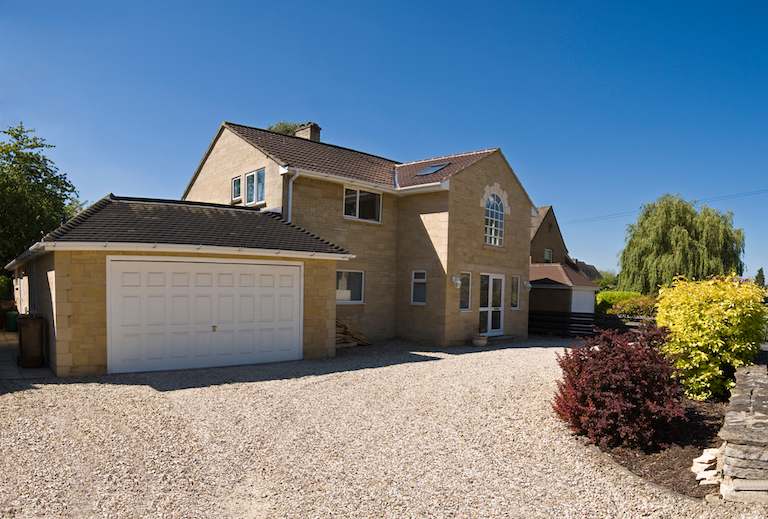
Discover the average gravel driveway cost, including price ranges, installation factors, and tips to help you budget for your new gravel driveway.
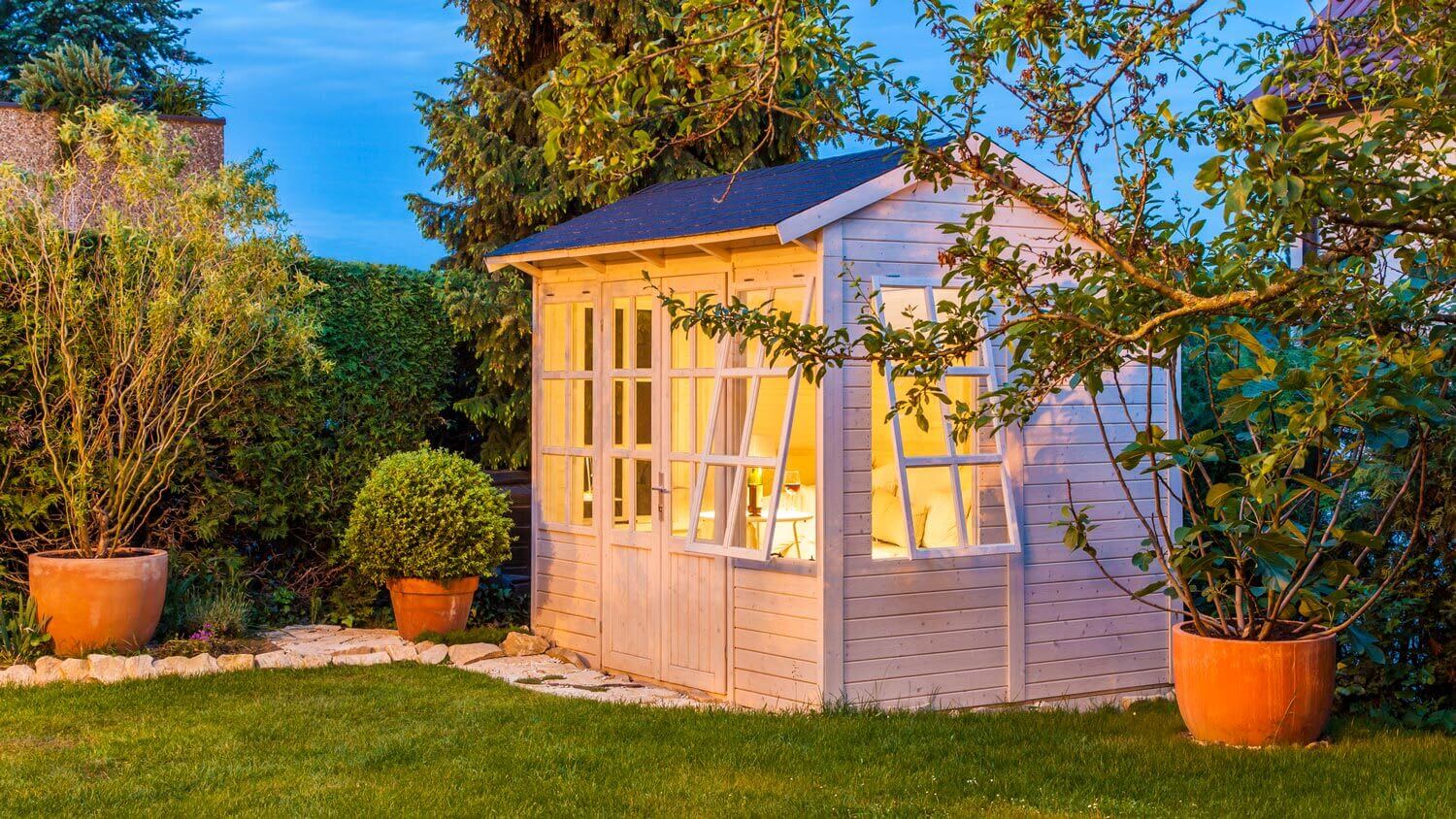
Discover the average gravel pad for shed cost, including installation, materials, and tips to save money. Get a detailed breakdown to plan your shed foundation project.
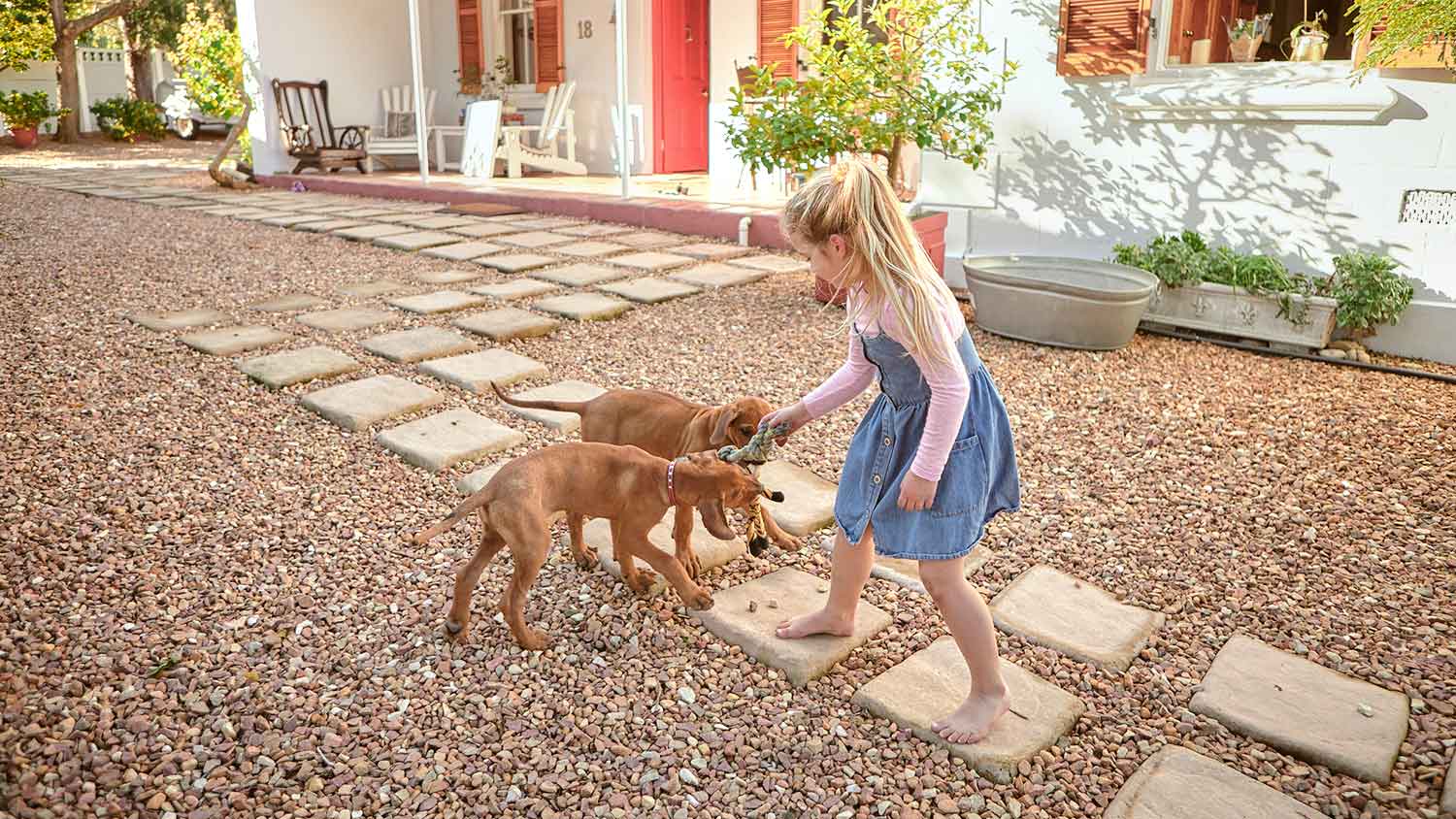
Trying to choose the right gravel? Use this guide to gravel sizes to determine what dimensions will best suit your landscaping, driveway, or foundation project.
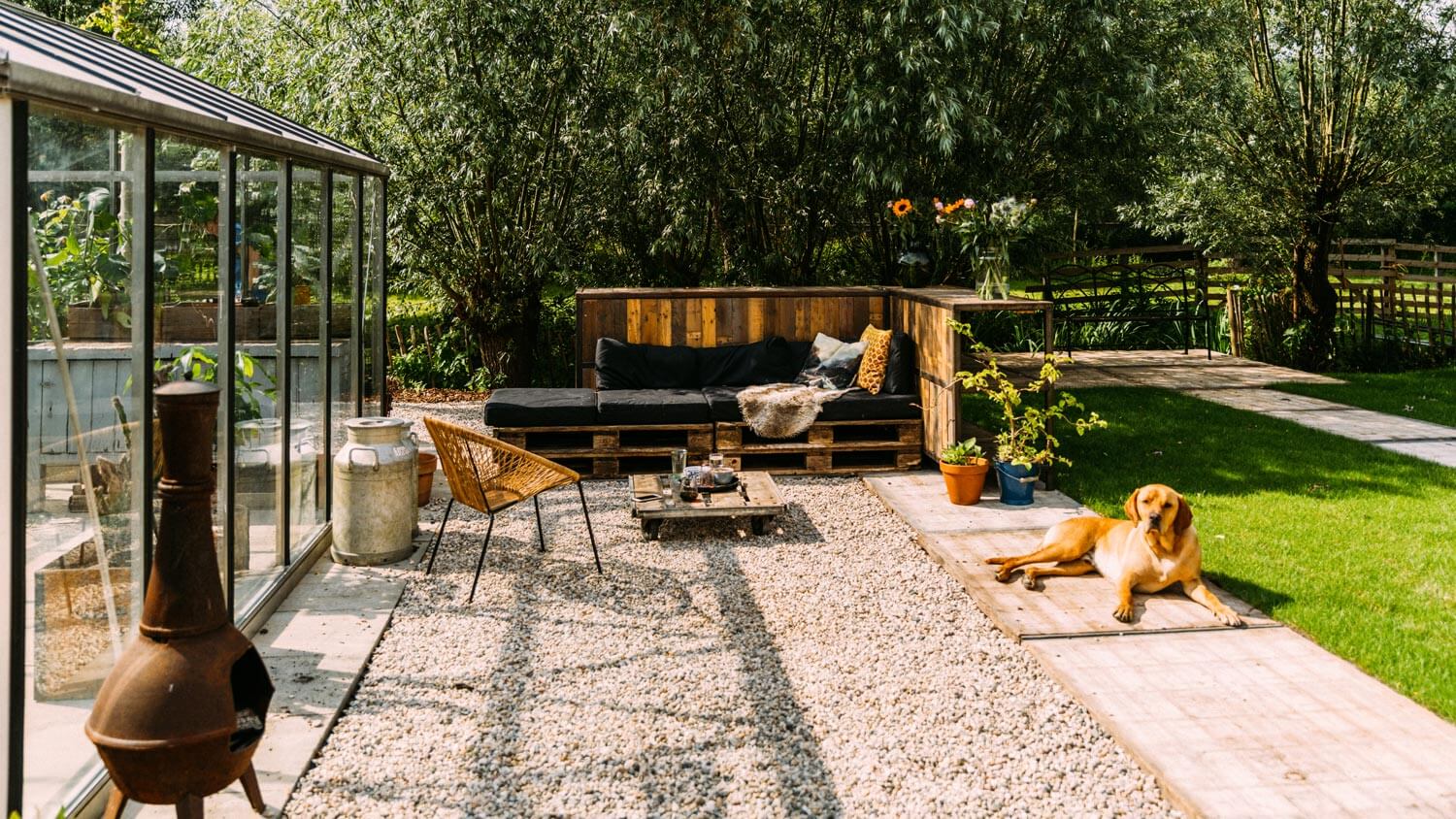
Thinking about gravel paving and installation? Learn about material options, costs to expect, and how to hire the right local pro for your driveway project.
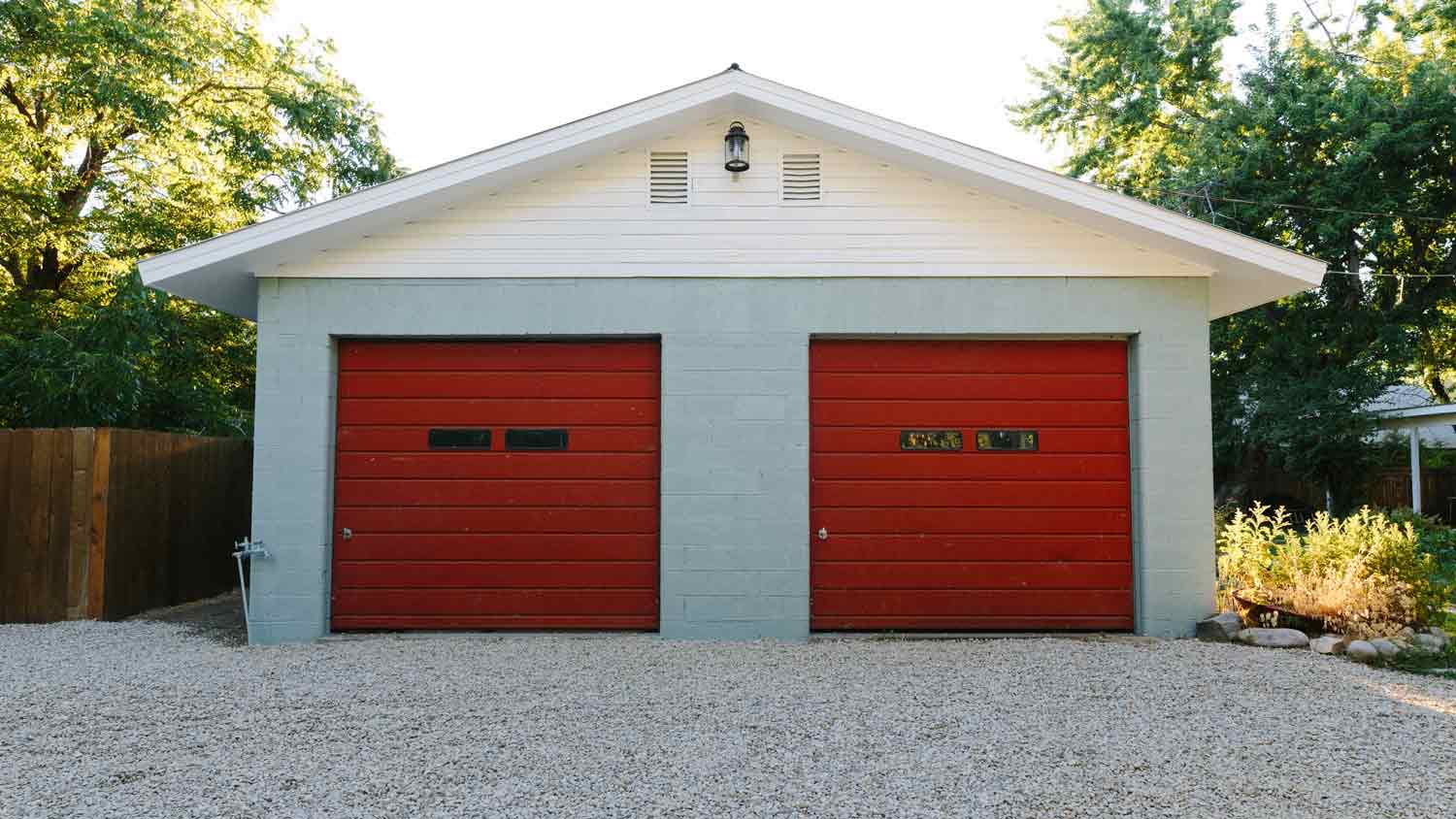
This guide to popular types of gravel for driveways will help you evaluate the best gravel material when looking for stability and aesthetic appeal.