
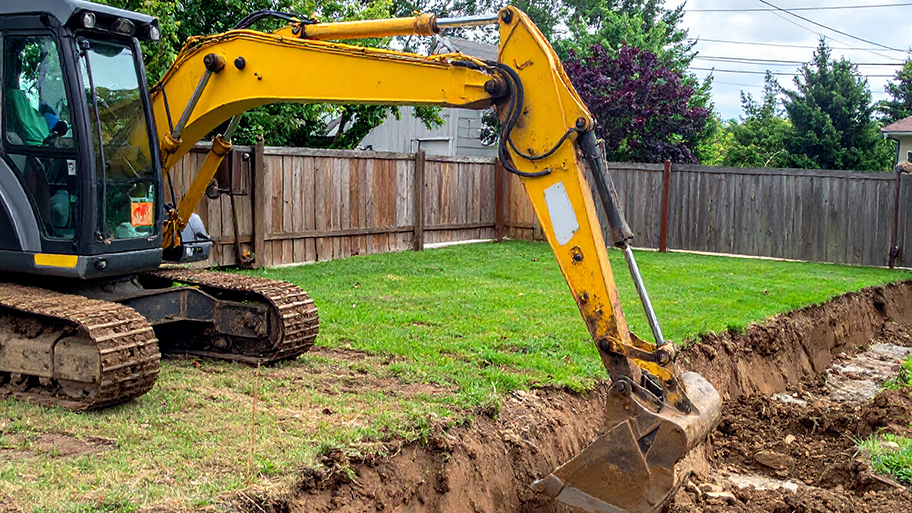
Digging a trench is usually the first step in a larger home project. Our trenching cost calculator breaks down the factors that affect the price tag of this job.
Laying the groundwork for your next renovation project

Excavation removes earth, rock, or materials from your site to create space for foundations, utilities, or structures, laying the groundwork for construction projects.
Residential excavation costs range from $1,500 to $7,000, with factors like project size, depth, soil type, and underground obstructions affecting your total price.
Your excavation project requires site inspection, permit approval, digging with specialized equipment, soil removal, and thorough cleanup before construction begins on your property.
Hiring a local excavation company keeps your project safe and efficient, handling heavy machinery operation, permit coordination, and working around underground utilities.
What is excavation beyond just digging some dirt up? When embarking on a home renovation or construction project, excavation is actually one of the most important initial steps. Let’s walk through everything you need to know, from what excavation involves to the cost and types of excavation used in construction projects.
Excavating is the process of removing earth, rock, or other materials from a site to create a space for foundations, utilities, or other structures. This vital step lays the groundwork (literally) for many types of construction projects, from homes and buildings to roads and bridges.
By digging, grading, and moving large amounts of soil out of the way, local excavation companies prepare the land for construction. Without proper excavation, the integrity and safety of any structure built on the site could be compromised.
Excavation is required in a wide range of construction scenarios. For residential projects, excavation is needed for laying foundations, installing septic systems, or creating basements and crawl spaces. It’s also crucial for larger projects like building roads, tunnels, or water pipelines.
Smaller home renovation projects, like installing a pool or creating a driveway, also need excavation work. Any time you need to alter the land’s shape or create an open space for building, excavation plays a key role.
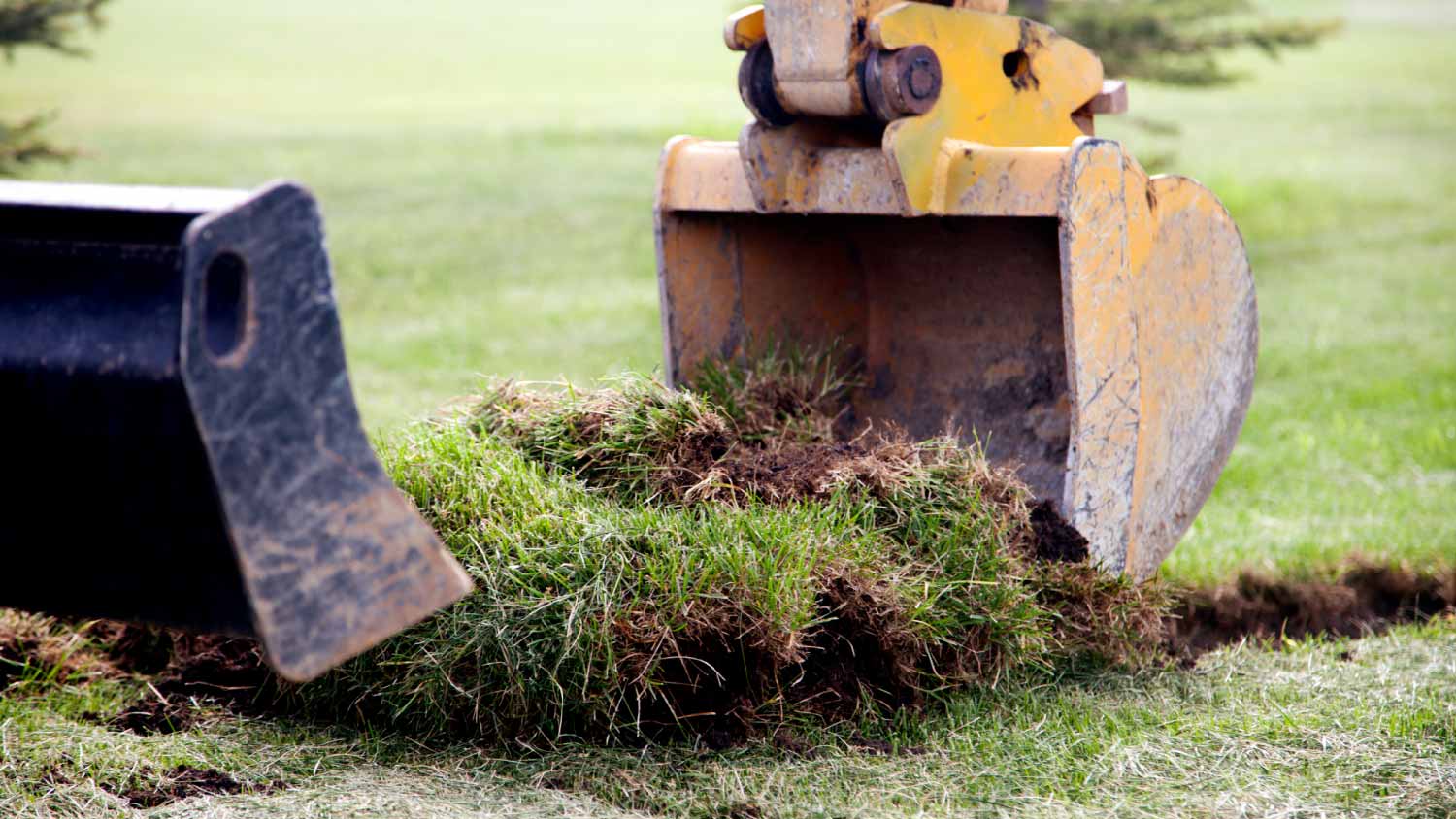
There are several different types of excavation, each with its own specific purpose. Choosing the correct method depends on the construction project and land conditions. Take a look at some of the most common excavation types.
Trenching is a type of excavation where a pro digs a narrow and deep ditch. Pros use trenching for installing underground utilities like water pipes, gas lines, and electrical cables. Trenches can vary in depth and width depending on the project’s needs. More often than not, trenches are longer than they are wide.
Drilling involves creating deep, vertical holes in the ground and is used for building foundations, installing utility poles, or creating well systems. When construction projects require precise, deep excavation in a small area, drilling is the go-to method.
Tunneling involves digging underground passageways for structures like subways, sewer systems, and underground roadways. Tunneling requires specialized equipment and is used in construction projects where professionals need to avoid disrupting the surface or other structures.
Though the majority of tunneling jobs aren’t residential, you may need under-slab tunneling if your home’s foundation is damaged and requires repair.
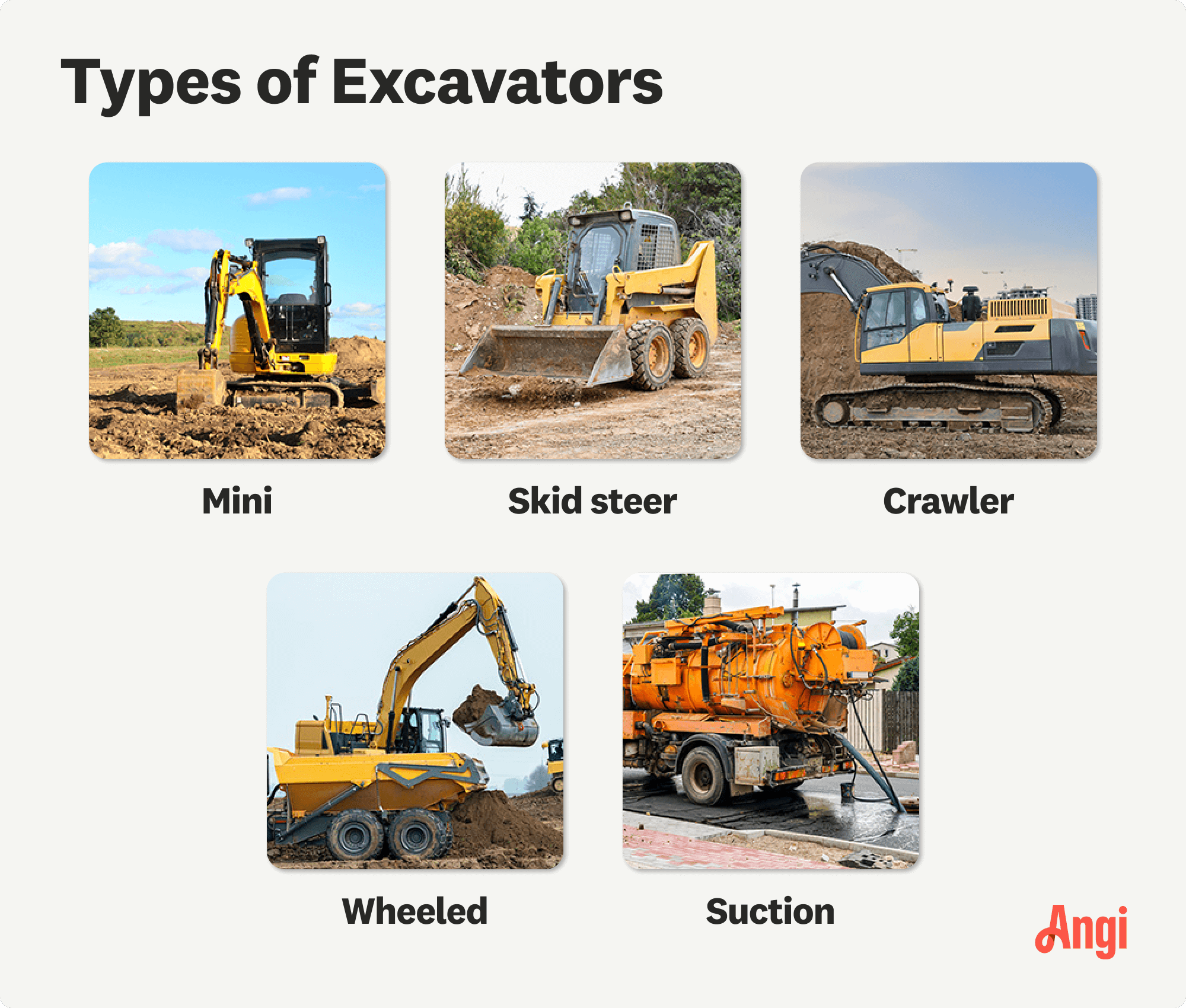
Excavation is a detailed process that involves multiple steps, all of which require careful planning and precision. Excavation companies near you will often follow these steps, which can change depending on the project:
Site inspection: The first step is evaluating the construction site to assess the terrain, soil type, and any underground obstructions.
Marking and permitting: Pros mark the site for excavation and get the required permits.
Digging: Professionals start digging, whether through trenching, drilling, or other methods, depending on the project’s requirements.
Soil transport and disposal: The pros remove or relocate displaced soil, which often requires large trucks to transport it away from the site.
Site cleanup: Pros will clear the site of any debris to prepare for the next stage of construction.
“When you're having a demolition or excavation project done in or around your home, here are a few tips to follow: Don’t touch it. Don’t turn off the machines. Don’t try to peek inside containment units. Don’t try to help. This is for your safety.”
— Josh Rudin, Owner of ASAP Restoration LLC, Tempe, Arizona
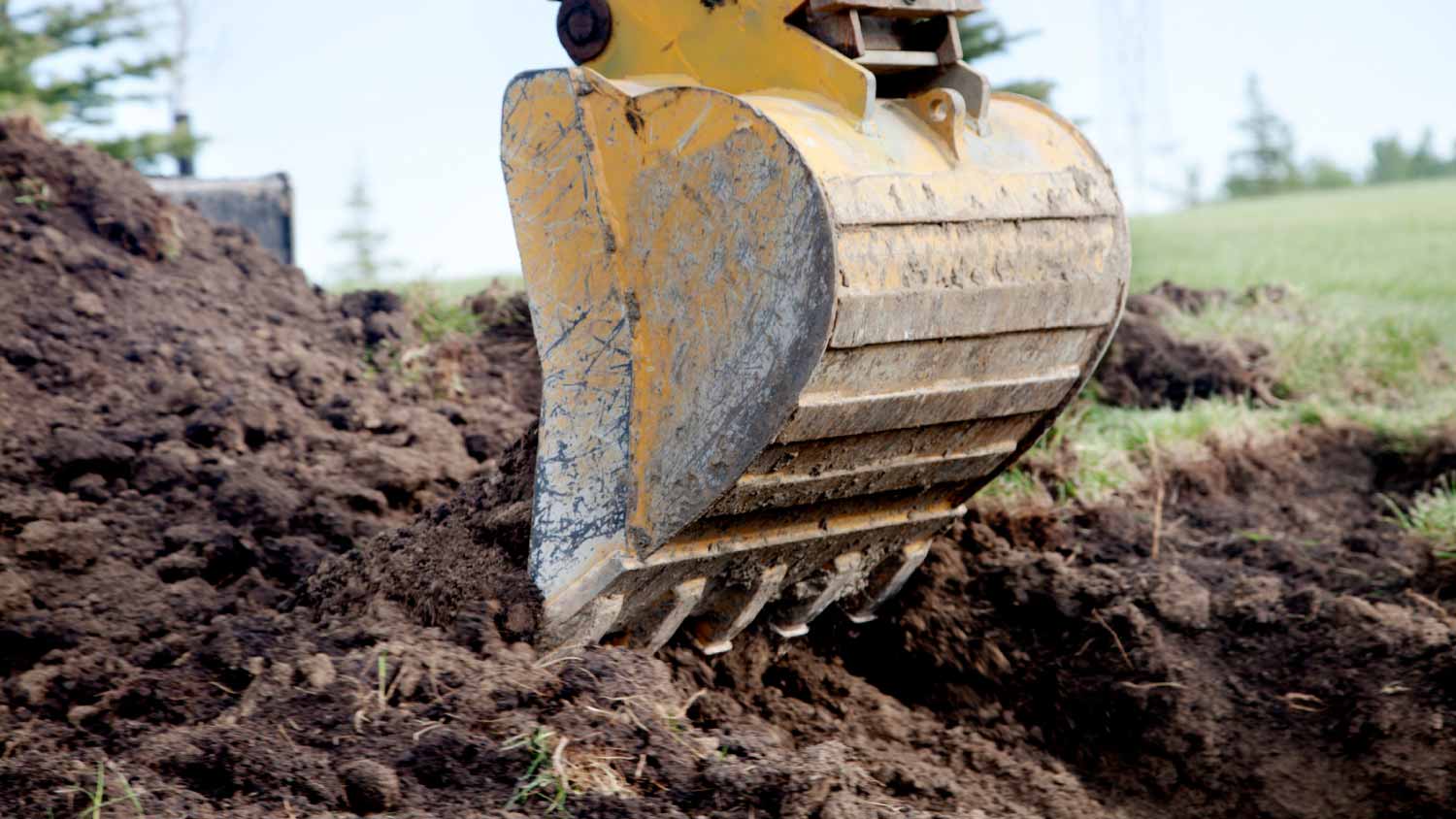
The cost of excavation depends on factors like the type of excavation, the area size, and the depth needed. On average, residential excavation can cost between $1,500 and $7,000, but larger projects may cost much more.
Several elements influence excavation costs, including:
Type of excavation: Trenching is often less expensive than tunneling.
Area size and depth: Larger and deeper projects require more labor and equipment.
Site accessibility: Hard-to-reach locations can increase costs due to the need for specialized machinery.
Soil type: Harder soils and hidden rocks can make the excavation process more difficult and costly.
Underground obstructions: Working around utilities and other underground obstructions requires special skills and equipment.
Permits: Local regulations may require permits, which add to the overall expense.
Additional services: Removing trees or transporting dirt can further increase the cost.
While it’s tempting to save money by tackling excavation as a DIY project, it’s not the best idea. Local codes may allow you to do your own excavation, but the process can be extremely labor-intensive, hazardous, and complex.
Excavation requires heavy machinery and specialized skills, particularly when working around utilities or other structures. Plus, improper excavation can cause serious safety risks, not to mention costly damage. Hiring professional excavation contractors ensures the job is done safely and efficiently.
Amazing job. Efficient and quick without compromising quality. Basement feels brand new. Would use them again in a heartbeat.
 AffordaPro Restoration
This company is my go to resource for all my post renovation clean ups. They get the place spotless! All we have to do after is stage the place and sell, sell, sell! They are super professional and have some amazing scent that is left in every property. I highly recommend!
 The Royal Sanitation Group
Custom Paint Jobs LLC took our exterior from drab to fab! We couldnt be happier.
 Custom Paint Jobs, LLC
We had our houses windows and back door replace this summer by Window Depot USA of Central. He gave us grate advise and saved my family lots money. The team did a fantastic job with installation. If you need help, they sure get job done right!
 Window Depot USA of Central Ohio
Beginning with the estimate, Larry and Peyton were super helpful in getting my new condo's interior re-painted. Not only was the job well done, but also done in a super timely manner as promised.
 Five Star Painting of Plain City and Powell
Great job...edging and pre clean up went well with a great job with seal coat. Friendly, efficient and professional.
 All Star Paving and Sealing
Did an amazing job transforming my yard. Also installed sod in places, would recommend to everyone.
 Cardinal Landscaping & Construction LLC
Very knowledgable, very respectful and did a great job. They take pride in their work and it shows. I would highly recommend Dad's Home Repair and Excavation.
 Dad's Home Repair & Excavation
They do good work, were quick to respond, and their prices were as reasonable as plumbing work can be. They were fairly good with the sewer cleaning, and I have no complaints with their work, but I had to go beyond what they could do and get some excavation work done.
 ARS / Rescue Rooter Columbus
From average costs to expert advice, get all the answers you need to get your job done.
Digging a trench is usually the first step in a larger home project. Our trenching cost calculator breaks down the factors that affect the price tag of this job.
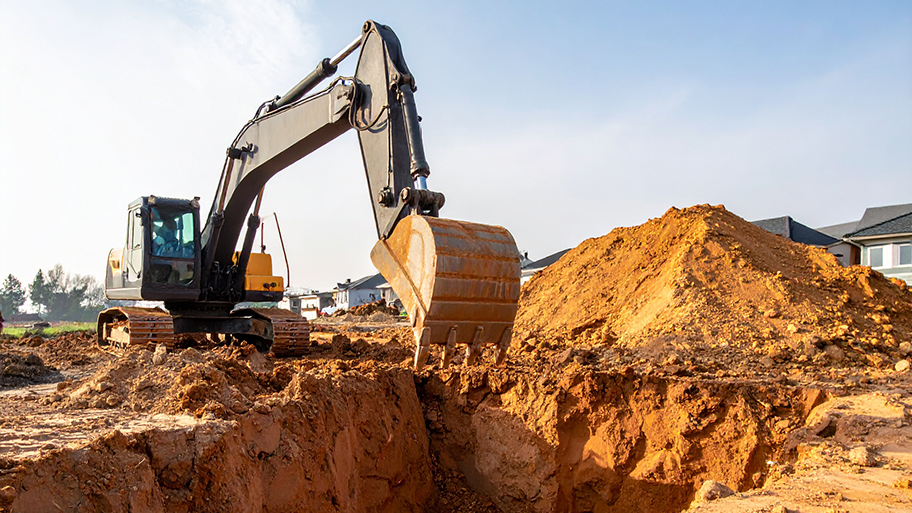
Excavation costs $1,500 to $6,300 for most residential projects—but it depends on factors like the size of the area. This guide will help you plan a budget.
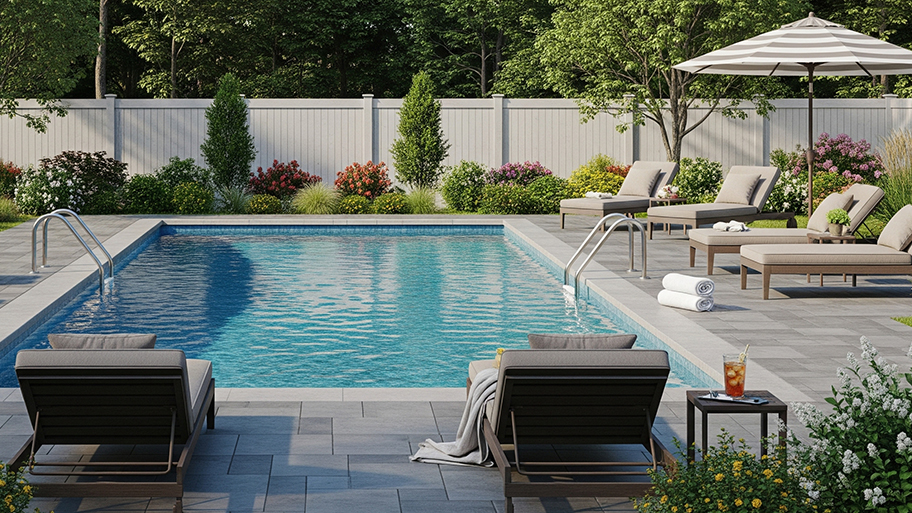
You can't have an in-ground pool without digging into the ground. How much does pool excavation cost, and can you take it on yourself? Our guide explains.

Can you excavate in the winter? Sometimes, but it’s complicated. Find out the pros, cons, and steps for planning a winter excavation project.

Trenching means digging a depression in the earth that’s longer than it is wide. Here’s what you need to know about trenching—including doing it safely.
Who can dig a trench for you? You can rent trenching equipment for a simple job, but a local excavation company can help with tough ones. Here's how.